Driving Business Outcomes Through Resilient IT and Strategic CIO Leadership
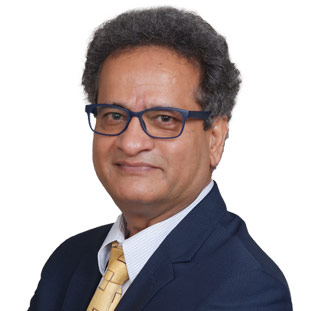
 Ajay Kumar is a CIO and Digital Transformation Executive with over 20 years of global leadership experience driving innovation and business growth across Fortune 100 and large-to-mid enterprises such as Oracle, Ford, and Xerox. He specializes in aligning technology with business strategy to lead complex M&A integrations, modernize complex and 50+ years old enterprise systems, and build high-performing teams. Passionate about AI, cloud-first architectures, and cybersecurity, Ajay delivers measurable business outcomes and sustainable competitive advantage. He is also as a recognized speaker and board member.
Building Resilient IT Foundations
As CIO of Zero Motorcycles, I lead with the conviction that technology’s ultimate purpose is to enable growth, resilience, and innovation. Over the past two decades, I’ve helped global organizations—spanning Fortune 100 enterprises and high-growth PE-backed firms—align technology strategy with business outcomes across manufacturing, supply chain, software product development, financial institution, healthcare, and e-commerce.
At Zero, our mission-driven culture around sustainability and performance is mirrored in our IT transformation. We are committed to a cloud-first, AI-enabled strategy that enhances scalability, resilience, and business continuity—while advancing environmental sustainability by reducing our data center footprint and energy use.
Technology’s true power emerges when guided by strategic vision, purposeful intent, and disciplined execution—with people at the core. That’s how we transform IT from a cost center into a strategic enabler that drives measurable business outcomes.
Security and resilience are foundational. We have strengthened our cybersecurity posture through a NIST-based framework, embedding security-by-design principles across our technology ecosystem.
But the real differentiator lies in co-creation with business leadership. Every major technology investment is outcome-driven, linked to measurable KPIs, and governed through disciplined execution and agile delivery. This ensures IT acts not merely as an enabler, but as a strategic value creator—accelerating growth, innovation, and customer impact.
Ultimately, the CIO role is no longer about managing systems and tools; it’s about being a strategic business partner who understands and leverages technology to drive the most critical business objectives.
The Transformation Trio: A Leadership Framework
As a CIO and C-suite leader, I view technology as a means—not the mission. I start with clarity: What business outcome are we solving for? Whether the goal is to drive revenue, improve operational efficiency, or elevate customer experience, technology must serve a clearly defined business purpose.
My leadership philosophy is built on three foundational pillars that guide how I drive transformation and business impact:
1. Purpose-Driven Technology
Every initiative must directly support enterprise objectives—accelerating growth, operational excellence, and customer value. Rather than chasing trends, I focus on deploying the right technology for the right problem at the right time.
2. Strategic Clarity with Operational Discipline
In today’s dynamic environment—shaped by AI, cloud, and automation—clarity and discipline are critical. I emphasize structured governance, well-defined KPIs, and scalable architectures to drive measurable impact and enterprise alignment.
3. Empowered, High-Performing Teams
Transformation begins with people. I invest in talent development, psychological safety, and innovation culture. When teams are trusted and inspired, they don’t just improve processes—they redefine what’s possible.
I stay closely engaged with my leadership team, create space for strategic reflection, and ensure technology remains aligned with business priorities. This balance of vision, discipline, and empowerment drives lasting, high-impact results.
The New Era of CIO Leadership
We are entering a defining era where AI, data, and cloud converge to reinvent the way businesses operate. Technology has shifted from a technology function to a core driver of competitive advantage, and this excites me the most.
For manufacturers like Zero Motorcycles, the potential is transformative. The opportunities lie in intelligent value chains—powered by AI, real-time analytics, and digital twins to optimize everything from product design and supply chain operations to connected services and customer experience. Generative AI can further enable hyper-personalization, predictive maintenance, and new service ecosystems that redefine mobility and performance.
Today’s CIO is a business model innovator—a leader that help shape enterprise strategy, revenue models, and customer differentiation. They leverage AI and platform strategies to drive agility, revenue, and customer differentiation at scale. This is a thrilling inflection point for enterprise technology leaders, with AI serving as a powerful force multiplier.
Business First, Technology Second
I often advise emerging technology leaders: Lead with the business, not the tools. The conversation in the boardroom isn’t about systems—it’s about performance, strategy, and growth.
If the business goal is to double revenue or enter new markets, every IT initiative must directly support that ambition. Automation, AI, or analytics only create value when tied to measurable business impact.
Amid the hype around AI and emerging technologies, it’s easy to chase the next shiny object. But the true north remains business value—driving higher margins, faster time-to-market, and stronger customer lifetime value. Achieving this requires robust IT governance, strategic prioritization, cross-functional collaboration, and disciplined execution.
Leading with Curiosity and Courage
Technology evolves faster than ever before, but leadership principles remain timeless. The most effective CIOs are curious, adaptable, and connected to the business. Leaders must foster a mindset of continuous learning and adaptability to stay ahead. By exploring new trends, tools, and approaches, they can anticipate how these shifts will impact their organizations.
Closing Thought
Leadership, to me, is not just about transformation—it’s about empowering people and building organizations that are resilient, adaptive, and purpose-driven. Technology may enable change, but its people who bring that change to life. The most successful organizations are those that cultivate trust, collaboration, and a shared sense of purpose across every level. As leaders, our role is to create the conditions where innovation thrives, decisions are made with clarity, and teams feel inspired to deliver their best. Because in the end, sustainable transformation isn’t powered by systems—it’s powered by people.
1. Purpose-Driven Technology
Every initiative must directly support enterprise objectives—accelerating growth, operational excellence, and customer value. Rather than chasing trends, I focus on deploying the right technology for the right problem at the right time.
2. Strategic Clarity with Operational Discipline
In today’s dynamic environment—shaped by AI, cloud, and automation—clarity and discipline are critical. I emphasize structured governance, well-defined KPIs, and scalable architectures to drive measurable impact and enterprise alignment.
3. Empowered, High-Performing Teams
Transformation begins with people. I invest in talent development, psychological safety, and innovation culture. When teams are trusted and inspired, they don’t just improve processes—they redefine what’s possible.
I stay closely engaged with my leadership team, create space for strategic reflection, and ensure technology remains aligned with business priorities. This balance of vision, discipline, and empowerment drives lasting, high-impact results.
The New Era of CIO Leadership
We are entering a defining era where AI, data, and cloud converge to reinvent the way businesses operate. Technology has shifted from a technology function to a core driver of competitive advantage, and this excites me the most.
For manufacturers like Zero Motorcycles, the potential is transformative. The opportunities lie in intelligent value chains—powered by AI, real-time analytics, and digital twins to optimize everything from product design and supply chain operations to connected services and customer experience. Generative AI can further enable hyper-personalization, predictive maintenance, and new service ecosystems that redefine mobility and performance.
Today’s CIO is a business model innovator—a leader that help shape enterprise strategy, revenue models, and customer differentiation. They leverage AI and platform strategies to drive agility, revenue, and customer differentiation at scale. This is a thrilling inflection point for enterprise technology leaders, with AI serving as a powerful force multiplier.
Business First, Technology Second
I often advise emerging technology leaders: Lead with the business, not the tools. The conversation in the boardroom isn’t about systems—it’s about performance, strategy, and growth.
If the business goal is to double revenue or enter new markets, every IT initiative must directly support that ambition. Automation, AI, or analytics only create value when tied to measurable business impact.
Amid the hype around AI and emerging technologies, it’s easy to chase the next shiny object. But the true north remains business value—driving higher margins, faster time-to-market, and stronger customer lifetime value. Achieving this requires robust IT governance, strategic prioritization, cross-functional collaboration, and disciplined execution.
Leading with Curiosity and Courage
Technology evolves faster than ever before, but leadership principles remain timeless. The most effective CIOs are curious, adaptable, and connected to the business. Leaders must foster a mindset of continuous learning and adaptability to stay ahead. By exploring new trends, tools, and approaches, they can anticipate how these shifts will impact their organizations.
Closing Thought
Leadership, to me, is not just about transformation—it’s about empowering people and building organizations that are resilient, adaptive, and purpose-driven. Technology may enable change, but its people who bring that change to life. The most successful organizations are those that cultivate trust, collaboration, and a shared sense of purpose across every level. As leaders, our role is to create the conditions where innovation thrives, decisions are made with clarity, and teams feel inspired to deliver their best. Because in the end, sustainable transformation isn’t powered by systems—it’s powered by people.