The Evolution of B2B Digital Payments in 2026 and Beyond

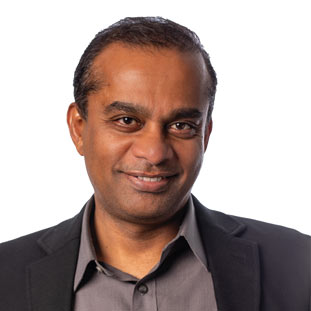
Prakash Ravindran is a fintech leader specializing in payments and digital banking solutions. An IIM Nagpur alumnus with a Postgraduate Certificate in Financial Technologies and an MBA in Marketing from Manonmaniam Sundaranar University, he brings over 15 years of experience in risk management, compliance, corporate banking, and payment solutions. Formerly associated with PAYSHARP, YES BANK, and HDFC Bank, Prakash excels in strategy formulation, business growth, KYC/AML leadership, and building high-performance teams.
In a recent interaction with M R Yuvatha, Senior Correspondent at siliconindia StartupCity, Ravindran shared his insights on the evolving B2B payments landscape and emerging trends.
Over time, digitisation has dramatically transformed the payments landscape. India now accounts for nearly 46 percent of global digital transactions, according to the Reserve Bank of India (RBI). This digital revolution is reshaping both the B2B payments segment and the B2C market. Data suggests that the B2B payments market in India is expected to grow to a valuation of USD 1,136 billion by 2033.
B2B payments hold enormous potential for efficiency, intelligence, and flexibility as we approach 2026. Here’s what we can expect from the B2B payments landscape in 2026 and beyond:
Rising Demand for Smarter Payment Infrastructure
B2B payment systems are becoming faster, smarter, and more efficient, catering to the unique needs of businesses. Traditional B2B payment methods such as paper cheques or manual bank transfers no longer suffice in today’s fast-moving market. Companies across sizes and sectors require a payment infrastructure that accelerates transactions and ensures transparency and control over cash flow.
This is where commercial cards, such as purchase cards, virtual cards, and lodged cards, come into play. These payment methods give businesses better flexibility and control, allowing more effective expenditure management. Simultaneously, technology also reduces errors and manual labour by automating payment workflows. For instance, straight-through processing (STP) enables payments to proceed smoothly from initiation to settlement without human intervention.
B2B payments now require personalised, secure, and automated processes to drive faster cash flows and stronger trust.
Consumer Expectations Driving B2B Payment Experiences
Today, B2B buyers are mostly digitally savvy and expect seamless transactions. This trend, termed ‘the consumerisation of B2B’, requires payment options to be intuitive, personalised, and flexible.
Payment options designed on a ‘one size fits all’ approach are no longer applicable. B2B payments today need to support multiple methods tailored to buyer preferences. Whether it’s through virtual cards, instant payment, recurring variable payments, digital wallets, or direct account transfers, the aim should be a seamless, flexible payment journey.
This flexibility also applies to the payment terms. Systems must adjust based on the client’s industry, company size, transaction history, and regional norms. Beyond convenience, payment data enhances business intelligence by delivering detailed transaction insights that accelerate reconciliation and tax compliance. Companies that harness this data effectively will build stronger client relationships and convert more sales through personalised payment experiences.
The Role of Digital Identity in Secure & Efficient Payments
Security remains a top priority for B2B payments, especially when large amounts and sensitive information are involved. A breakthrough set to revolutionise the segment in 2026 is the use of digital identities for payment approvals and authentication. In this context, digital ID systems can ensure payment requests come from authorised personnel, speeding up approvals.
Digital IDs offer better security than traditional methods, which are more vulnerable to fraud. They are harder to forge or steal and easier to embed within payment platforms to streamline user experience. Over time, the ecosystem will evolve as different players, device manufacturers, payment providers, or companies themselves, take part in identity verification.
Also Read: How embedded finance is transforming the fintech industry?
ISO 20022 Brings Clarity to Cross-Border Payments
Cross-border transactions have long been known for delays and disputes due to incompatible data formats and opaque processing. With ISO 20022 now implemented for most SWIFT-based cross-border and high-value transactions, Indian banks and corporates can exchange standardised payment information with global counterparties. This common data language allows invoices, purchase orders, and remittance details to move more clearly through the system.
The structured data carried in ISO 20022 messages also supports better automation within enterprise finance systems in India. Corporations gain improved visibility into incoming and outgoing flows, which strengthens cash flow forecasting and working capital planning. Over time, this standard is expected to integrate more tightly with domestic rails and ERP platforms, paving the way for higher levels of straight-through processing and more efficient reconciliation for cross-border B2B transactions.
AI and Automation Creating a Competitive Payments Marketplace
AI is undeniably reshaping several industries, and the B2B payments landscape is no exception. One interesting innovation is the emergence of AI-driven payment auctions, where AI systems instantly match transactions with the best processing partner.
When applied to payments, AI could analyse competing payment processors or acquirers based on fees, speed, and fraud prevention capabilities. Such agentic AI is set to drive unprecedented competition and efficiency in the B2B payment market. While some risks remain for aggregators managing these auctions, the long-term benefits include lower costs, increased speed, and stronger payment security.
Bottomline!
B2B payments are entering a decisive new phase in 2026. Personalised experiences, stronger security, global data standards, and intelligent automation are no longer optional; they are core to how modern enterprises move money. Businesses that modernise their payment infrastructure quickly will unlock faster cash flows, sharper insights, and deeper customer trust.