Trends Impacting HR space
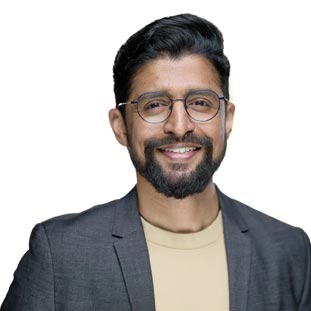
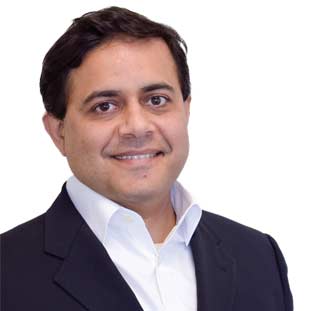
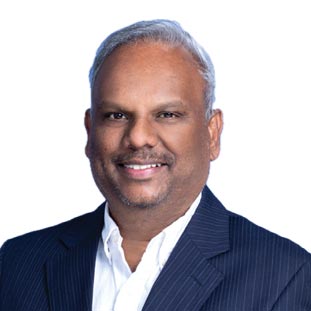
 Nikhil Shahane in his role as Vice President Talent & Engagement is responsible for the global Talent, Engagement, Inclusion & Diversity functions at TechnipFMC. As an internationally experienced HR professional he has driven the people development mandate across multiple regulatory and socio-cultural environments. He has been with TechnipFMC for over eight years in HR Leadership roles in Middle East, India and Asia Pacific before moving to Houston in middle of 2019.He has worked both at a strategic and operational level in delivery of a wide range of HR services to the Business with specific emphasis on Talent & Performance Management, EVP, Employee Engagement, People Development, Compensation and Benefits by learning and implementing programs impacting the business. He has championed HR processes in start-up organizations and also been instrumental in cultural transition and organization restructuring efforts during M&As.
How has HR space evolved through the years?
HR specialists play a crucial role in determining an organization's performance. They are responsible for adding value to the business and contributing to the ultimate strategy of the organization.
The pandemic posed unprecedented challenges for businesses around the world, and HR professionals had to step up to manage the resulting uncertainty. The hybrid work paradigm added a new dimension to managing and leading people, giving HR professionals a rare chance to show off their skills. However, in this new work environment, employee well-being management, the development of leaders, and the enhancement of people's capacities became crucial. Notwithstanding the obstacles, HR professionals demonstrated their strategic relevance to the firm by rising to the occasion. This phase has been the most difficult in their careers, but it has also been the most productive.It's crucial for aspiring professionals to never stop learning
What are some of the market trends impacting HR space lately?
In today's rapidly evolving business environment, companies nowadays are far more focused on the needs of their employees than they were in the past. Empowering people with a top-down strategy while managing them from the bottom up is no longer effective. The current strategies and objectives of the organization are focused on empowering people, listening to what they have to say, and then obviously acting on that knowledge.
Second, we are promoting inclusive work conditions throughout the company. Since such a setting will encourage employees to voice their opinions, inspire creativity, and foster accountability. So People empowerment, listening, inclusion, and building future-ready skills are in general, the main areas of attention for most organizations today.
We are currently witnessing a disrupted talent marketplace with employers struggling to attract and retain talents. As VP Talent & Engagement at TechnipFMC, what has been your experience lately?
To recruit and retain top talent in today's fast changing job market, firms must focus on developing a compelling employee value proposition (EVP). While salary packages were once the key motivator for job applicants, employees today place a higher value on purpose-driven, flexible, and sustainable firms. In addition, organizations need to offer competitive rewards, professional growth opportunities, and employee empowerment in order to keep talent. Although each organization's strategy for talent retention may vary depending on its particular needs and circumstances. But developing a strong EVP is essential for luring and keeping top people in the employment market of today.
What are some of the leadership capabilities required to build a high-performance culture?
Our organization has had a well-established leadership capability model for many years. However, with the ever-changing world of work, we recognized the need to revisit and revamp our current model. We identified a few key characteristics that had to be incorporated into our new leadership capability model. One of them is the ability to lead with a lean mindset, which is essential for accomplishing more with less. Another important characteristic was data-driven leadership, which requires leaders to make decisions based on data rather than gut instinct or experience. We also emphasized the importance of inclusive cultures and how leaders can foster an inclusive culture to bring out the best in their employees. Along with these three characteristics, we focused on increasing accountability among our leaders. Our new leadership capability model aims to provide our leaders with the skills and mindset required to navigate the changing world of work and drive organizational success.
According to latest reports, organizational leaders are now becoming highly proactive in implementing changes for making more room for inclusivity. What in your opinion are the major trends in diversity and inclusion in the workplace?
Diversity and inclusion are now more than simply trendy buzzwords in the business world. They are now strategic differentiators capable of attracting and retaining top people. Businesses with an inclusive culture are more likely to attract and retain talent, which has become a critical performance metric for external stakeholders, such as shareholders. To promote diverse teams and inclusive cultures, businesses are focused on removing unconscious bias, setting inspiring goals, and holding individuals accountable for their performance. But, it is equally crucial that every leader understands the value of diverse teams and sees for themselves the performance benefits of doing so.
Before your stint at TechnipFMC, what are some of your experiences that empowered you to improve your leadership skills and create diverse and inclusive workplaces?
I had the advantage of working with diverse teams in several locations early in my career. This showed me the value of having individuals with various mindsets, working methods, and leadership philosophies because this ultimately effects innovation and brings out the best in people. I also had an exposure to different cultures while growing up in India through athletics, which taught me appreciate diversity in all its forms, from mentality to cuisine. These encounters have molded me into a leader who values other viewpoints and respects the individual differences that people bring to the table.
What is your advice for other senior leaders and cxos across various industries looking to get the best out of their people?
It's crucial for aspiring professionals to never stop learning. One must constantly make an investment in learning, regardless of which position they are in the organization. Moreover, technology is always evolving. We must therefore be tech savvy and not just rely on how things were done in the past as future solutions will be different.
We are currently witnessing a disrupted talent marketplace with employers struggling to attract and retain talents. As VP Talent & Engagement at TechnipFMC, what has been your experience lately?
To recruit and retain top talent in today's fast changing job market, firms must focus on developing a compelling employee value proposition (EVP). While salary packages were once the key motivator for job applicants, employees today place a higher value on purpose-driven, flexible, and sustainable firms. In addition, organizations need to offer competitive rewards, professional growth opportunities, and employee empowerment in order to keep talent. Although each organization's strategy for talent retention may vary depending on its particular needs and circumstances. But developing a strong EVP is essential for luring and keeping top people in the employment market of today.
What are some of the leadership capabilities required to build a high-performance culture?
Our organization has had a well-established leadership capability model for many years. However, with the ever-changing world of work, we recognized the need to revisit and revamp our current model. We identified a few key characteristics that had to be incorporated into our new leadership capability model. One of them is the ability to lead with a lean mindset, which is essential for accomplishing more with less. Another important characteristic was data-driven leadership, which requires leaders to make decisions based on data rather than gut instinct or experience. We also emphasized the importance of inclusive cultures and how leaders can foster an inclusive culture to bring out the best in their employees. Along with these three characteristics, we focused on increasing accountability among our leaders. Our new leadership capability model aims to provide our leaders with the skills and mindset required to navigate the changing world of work and drive organizational success.
According to latest reports, organizational leaders are now becoming highly proactive in implementing changes for making more room for inclusivity. What in your opinion are the major trends in diversity and inclusion in the workplace?
Diversity and inclusion are now more than simply trendy buzzwords in the business world. They are now strategic differentiators capable of attracting and retaining top people. Businesses with an inclusive culture are more likely to attract and retain talent, which has become a critical performance metric for external stakeholders, such as shareholders. To promote diverse teams and inclusive cultures, businesses are focused on removing unconscious bias, setting inspiring goals, and holding individuals accountable for their performance. But, it is equally crucial that every leader understands the value of diverse teams and sees for themselves the performance benefits of doing so.
Before your stint at TechnipFMC, what are some of your experiences that empowered you to improve your leadership skills and create diverse and inclusive workplaces?
I had the advantage of working with diverse teams in several locations early in my career. This showed me the value of having individuals with various mindsets, working methods, and leadership philosophies because this ultimately effects innovation and brings out the best in people. I also had an exposure to different cultures while growing up in India through athletics, which taught me appreciate diversity in all its forms, from mentality to cuisine. These encounters have molded me into a leader who values other viewpoints and respects the individual differences that people bring to the table.
What is your advice for other senior leaders and cxos across various industries looking to get the best out of their people?
It's crucial for aspiring professionals to never stop learning. One must constantly make an investment in learning, regardless of which position they are in the organization. Moreover, technology is always evolving. We must therefore be tech savvy and not just rely on how things were done in the past as future solutions will be different.