Why the Future of Medicine Depends on Humanity More Than Machines

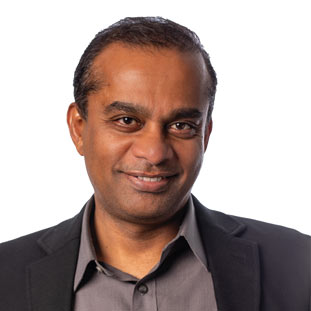
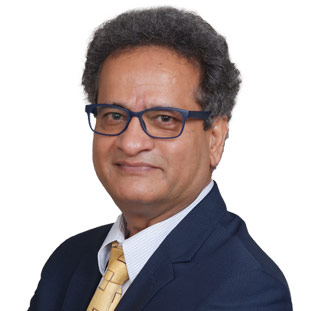
Md Samim represents a rare blend of scientific clarity and emotional intelligence in clinical leadership. After spending five years solving inefficiencies in diagnostics, his mission has been simple yet profound to make machines faster so that doctors can slow down and truly see their patients. For him, technology is not the destination, but a tool that must serve compassion, dignity, and the human story.
In a recent interaction with Sejal Singh B G, Correspondent at siliconindia Startupcity, Md Samim Ahamed Founder & CEO of Varolyn Healthcare, shared his insights on ‘Why the Future of Medicine Depends on Humanity More Than Machines’.
The global healthcare ecosystem stands at a defining crossroads. Artificial intelligence, robotics, telemedicine, and predictive analytics are reshaping clinical workflows, accelerating diagnostics, and enabling care delivery at unprecedented scale. Yet with this transformation comes the risk that medicine becomes mechanistic, optimizing efficiency while eroding empathy. Today's patients are more digitally connected than ever, but report feeling increasingly unseen and unheard. Hospitals invest heavily in technology, yet burnout among clinicians keeps on rising because relational care is being replaced by screen-bound tasks. The sector is rapidly learning that innovation without human connection is not progress but imbalance. The future of medicine belongs to models that integrate advanced tools with emotional intelligence, where data informs decisions but kindness guides them.
Emphasizing Human’s Significance in Healthcare
The healthcare industry stands at a defining crossroads. Digital platforms, predictive algorithms, and remote monitoring have undeniably improved access and efficiency, yet something essential are quietly slipping away presence. The most powerful moments in medicine still occur when a physician sits with a patient and listens without interruption. Illness is never just a biological event; it is a human experience dominated by fear, memory, responsibility, and hope. A tumor marker may appear stable, yet the man behind those numbers may be terrified of not seeing his children grow up. An elderly woman holding an old photograph may be grieving more than the body reveals. These stories influence clinical decisions far more than risk charts or probability scores.
Healthcare leaders increasingly recognize that listening is not an accessory to diagnosis; it is diagnosis. Where systems rely solely on metrics, moral sensitivity starts to erode, particularly in the care of dying patients. Percentages of survival often overshadow decision-making and shift the focus from what sustains life to what sustains dignity. A patient nearing the end may value one final morning at home more than another day on the ventilator. When medicine forgets this, it forgets its purpose. In a world accelerating toward automation, the call to protect narrative medicine has never been more urgent. True healing begins when a clinician says, ‘I am here’, and not when a dashboard delivers another prediction.
Re-Training Healthcare for Compassion, Not Just Competence
Across global medical education systems, a new concern is gaining ground which is students are graduating with unparalleled technical skill yet struggle when confronted with unfiltered human vulnerability. Diagnosing a simulated case is easy; responding to a frightened patient who whispers, ‘Will I die alone?’ requires emotional training that is rarely taught. This has sparked the push for humanity labs-interdisciplinary spaces where future clinicians engage with literature on dying, explore fear and grief with philosophers, and learn directly from patients willing to share their truths. These environments are not sentimental add-ons; they are clinical training grounds that cultivate emotional endurance, ethical clarity, and interpretive judgment.
Medicine can measure the body, predict outcomes, and manage disease but only human presence can heal fear, honor dignity, and keep care compassionate
Meanwhile, the rise of wearables and telehealth has introduced a paradox which is people are monitored more than ever, yet seen less than ever. Wearables track arrhythmias but not heartbreak. Teleconsultations allow seamless access but erase subtle physical cues which are the trembling voice, the spouse sitting quietly in the corner, the hesitation that reveals unspoken fear. If healthcare becomes a system where patients are data points rather than people, then the industry will have invented surveillance, not care. Presence remains irreplaceable. Training future clinicians to slow down, observe, and respond with humanity is now as important as learning anatomy or pharmacology.
Also Read: How Gen Z Is Setting the Agenda for the Future of Consumer Tech
The Human Compass of Healthcare Systems
Healthcare systems increasingly depend on automated pathways, predictive scoring, and algorithmic triage, yet the values behind these systems still originate from human judgement. Biases in AI are not mechanical failures; they mirror inequities in society. When automated decision-making goes unchallenged, whole populations risk being understood through a flawed data lens. That is why the moral power of the frontline caregiver is immense. They see suffering daily, develop instincts that no machine can rival, and have the imagination to challenge an unjust system. Their questions Is this fair? Does this align with what the patient wants? Are we honoring their story, not just their symptoms? are the guardrails that keep healthcare rooted in compassion.
A healthcare system fails not when machines grow powerful, but when humans become passive. When convenience replaces presence, when automation replaces conversation, and when speed replaces reflection, then medicine loses its conscience. Equity is not programmed; it is chosen. Compassion is not automated; it is practiced. If healthcare is to stay humane, leaders should make sure that algorithms support clinicians and don't silence them, and ensure that patient dignity is protected at every point of care.
Conclusion
The future of medicine cannot be measured solely in technological leaps. Its real strength will come from a system that honors the human story, clinicians trained to listen, and care models that protect dignity as fiercely as they protect life. Machines may guide decisions, but humanity must guide medicine.