
 Magazine :
Debate Heats Up Over 80-Hour Work Weeks
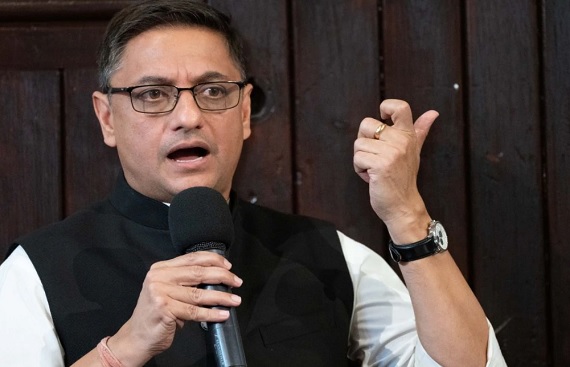
A new controversy surrounding corporate work culture emerged after senior leaders and economists denounced the increasing tendency of long hours at work. Economist and writer Sanjeev Sanyal, a member of the Economic Advisory Council to the Prime Minister, termed the idea of an 80-hour work week 'silliness'. He was vocal about his opinion on X (formerly Twitter), where he attacked the trend, saying, 'Corporate leaders have gone into silliness'.
Sanyal's comments follow a controversial proposal by Larsen & Toubro (L&T) Chairman SN Subrahmanyan, who called for 90-hour work weeks, even suggesting that employees should give up Sundays. Subrahmanyan's comments, which included an insensitive question, 'How long can you stare at your wife?' sparked outrage online.
Such a culture of work brings with it huge challenges, says Sanyal: "The attempt to enforce inordinately long hours of work leads to the poor quality of the workplace and a 'moral hazard monitoring problem.' Employees cover up personal activities as professional. For example, they take extra-long gym breaks or long lunches during office hours in the kind of high-pressure environment of Wall Street and the City of London". "Only very senior managers can sustain 80-hour work weeks because systems are built to sustain them not just the pay but secretaries, assistants, etc. The rest need a life", he added.
Mahindra Group Chairman Anand Mahindra added his voice to the debate, stating that the quality of work should be given more importance than the number of hours put in. When Mahindra reacted to Subrahmanyan's statement, he said, 'Even in 10 hours, one can change the world'. He added that the debate should be on achieving meaningful outcomes rather than glorifying long hours.
Former HCL CEO Vineet Nayar echoed similar sentiments, calling out the glorification of relentless work hours. "We glorify long hours, back-to-back meetings, and being always on. But an unlived life drains energy, creativity, and purpose", he said.
The debate on long working hours picked up steam in late 2023 when Infosys Co-founder Narayana Murthy suggested that Indian youth work 70 hours a week to compete globally. Murthy argued that adopting such a work culture would help India catch up with countries like China and Japan. His comments sparked heated discussions, with critics pointing out the adverse impact on work-life balance and mental well-being.
Sanyal, who himself has had experience working in demanding corporate environments, warned against turning such extreme hours into the new normal. Although he concedes that senior managers might continue with this habit with the help of support systems, this does not apply to the organization as a whole.
In all this, one thing both the leaders and the experts will likely agree with is that long hours should be moved away, with a replacement by productivity, thereby meaningful work. This will have broader impacts on the way culture in workplaces changes and determines their success together with the implications it has for employees' wellbeing.
Read More News :
Nitin Bhandari to Lead PepsiCo India's Beverage Division
Adani Group to Invest Rs 65,000 Crore in Chhattisgarh Projects


.jpg "Top Companies of the Year")