

Rupee Set to Be Asia's Underperformer Amid Tariff Pressures and Sluggish Inflows
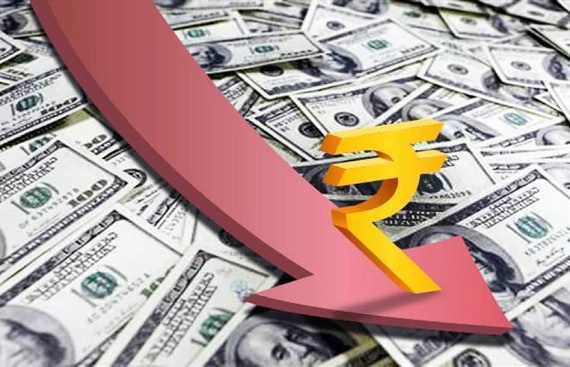
- India faces a 25% U.S. tariff amid stalled trade talks, pressuring the rupee and economic growth.
- Analysts expect the rupee to hit new lows by year-end due to weak foreign inflows and growth concerns.
- RBI may take a cautious approach despite high forex reserves, as tariff uncertainty limits aggressive intervention.
India’s rupee is on track to remain one of Asia’s weakest currencies in the second half of 2025, pressured by slowing economic growth, muted foreign inflows, and the impact of fresh U.S. tariffs, according to analysts at Deutsche Bank AG and Barclays Plc. The currency has already dropped 1.2% last week to 87.5275 per dollar, its biggest weekly fall since December 2022, and is expected to touch new record lows by year-end.
While several Asian nations have reached favorable trade agreements with the U.S., India faces a steep 25% tariff rate as trade negotiations remain stalled. This has already contributed to over $11 billion in equity outflows from Indian markets, weighing heavily on investor sentiment. Interest rate cuts by the Reserve Bank of India (RBI) have further eroded support for the rupee.
“The rupee is likely to remain an underperformer in Asia”, said Dhiraj Nim, economist and forex strategist at Australia & New Zealand Banking Group Ltd. in Mumbai. “Given the growth risks from tariffs, we can’t expect substantial foreign inflows in the near term”.
Barclays estimates that the higher tariffs could shave off nearly 30 basis points from India’s GDP growth, further straining the country’s fragile economic recovery. Analysts expect the RBI’s upcoming policy meeting on August 6 to offer crucial cues on the central bank’s stance regarding interest rates and rupee support.
Though India holds near-record foreign exchange reserves, Citigroup economists believe the RBI is unlikely to intervene aggressively, given the uncertainty around trade policy. “Tariff uncertainty limits the RBI’s motivation to aggressively push the rupee higher against the dollar”, wrote Citi’s team led by Samiran Chakraborty.
Still, hopes persist that a trade deal with the U.S. could be delayed but not denied. Reports suggest India may consider offering concessions, such as increased imports from the U.S., while holding off on retaliatory measures to ease tensions. Michael Wan, senior currency analyst at MUFG Bank Ltd., said, “The key for markets and our rupee forecast is whether a trade deal is delayed but not denied”. Wan revised his year-end rupee forecast to 87 per dollar from 84.50 earlier.
Meanwhile, the bond market appears unattractive to foreign investors, with little room for additional rate cuts, and equities look overstretched amid high valuations and slowing growth, according to Chandresh Jain, strategist at BNP Paribas SA.
For now, the rupee remains vulnerable, with foreign fund inflows uncertain and trade risks looming large.
