


Strategic IT Leadership to Navigate Growth and Innovation
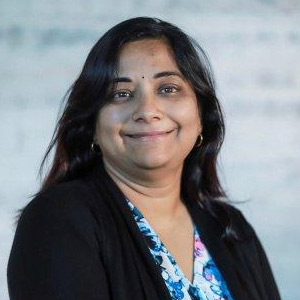 Manjula Sriram joined Iridium two years ago as the Chief Information Officer, focusing on driving strategic and tactical planning, development, evaluation, and coordination of Iridium’s technology roadmap and provide the vision and leadership necessary to drive the Company's network infrastructure into the future. This includes overseeing the implementation, maintenance and compliance of the entire enterprise-wide technology, security, business intelligence and analytics and billing systems undergirding the telecommunications services provided by Iridium.
With her more that fourteen years of senior IT management experience, notable prior roles included Vice President in the role of CIO for The Joint Chiropractic where she was responsible for the commercial and enterprise IT infrastructure for the company's corporate and clinical operations, servicing approximately 700 standalone chiropractic offices. Prior to this, Ms Sriram spent four years as the Director of Customer Implementation & Support for Early Warning Service, a financial systems company, to provide risk management solutions over a diverse network of 2,300 financial institutions, government entities and payment companies.
Ms Sriram holds a Bachelor of Science degree in Computer Science & Electrical Engineering from the University of Wisconsin, an MBA from Keller Graduate School of Management at DeVry University
Manjula Sriram is a distinguished leader with an MBA in information systems from Keller Graduate School of Management and a BS in computer science and electrical engineering from the University of Wisconsin-Milwaukee. As a certified data privacy solutions engineer, her career began at Versay Solutions, where she managed critical projects and successfully revitalized a four-million-dollar initiative. At Early Warning, she played a significant role in directing implementations and integrating new products, contributing five million dollars in revenue. Sriram then served as VP at The Joint Chiropractic, overseeing IT operations for 567 clinics. Currently, as the CIO at Iridium, she drives IT strategy and infrastructure.
Strategic Equilibrium for Organizational Success
My career began as a developer, working with C++, Forte, and SQL before transitioning into Java development and architecture. My technical expertise and leadership skills opened doors to new opportunities and led me to pursue business studies, enabling me to take on various key management roles, from project manager to director.
I have also managed enterprise IT functions, cybersecurity, data management and enterprise applications. In my current role, I oversee over 120 members and contractors and vendors. We operate on the belief that balancing the needs of the company, team, and customers is crucial for overall success, prioritizing operations that enhance this stability.
Pain Points and Strategies
One significant challenge for a CIO is navigating the organic growth many organizations experience. It's common to encounter disparate systems that lack integration, often due to departments creating their own solutions out of frustration with perceived IT delays. This can lead to major integration, security, and data protection issues.
Navigating the demands of a CIO requires balancing the urgency of rapid progress with the importance of doing what's right, including securing adequate funding for key initiatives. It is vital to prioritize major strategic objectives over minor disputes and to act as an educator, clearly communicating the vision, ensuring transparency in planning and fulfilling commitments. Understanding the frustrations of employees who have dealt with ineffective systems for years is essential. When new in the role, acknowledging these obstructions while presenting a clear, methodical plan for improvement is the key. Building trust and buy-in requires empathy, clear communication and a structured approach to change.
Technological Innovation and Growth
I believe technology transcends industry boundaries. Each sector has distinct characteristics that must be understood and applied for personal and organizational growth. As a digital transformation technologist, I primarily focus on modernizing existing technologies and seamlessly integrating them into contemporary environments.
Establishing the right frameworks and business metrics is essential while allowing teams to innovate and develop new systems. This involves evaluating current system architectures to ensure they align with modern innovations. Upon confirmation, I initiate discussions and oversee the integration processes. If compatibility is not established, alternative solutions are proposed. Central to my role is driving innovation and fostering an environment where mistakes are viewed as opportunities for learning. Encouraging experimentation and calculated risk-taking is crucial for progress, ultimately leading to growth and advancement within the organization.
Staying Ahead of Emerging Technologies
Constant learning is crucial as a CIO. Regardless of reporting structures, we must be strategic leaders within the organization. This requires a deep understanding of compliance to safeguard data and stay up-to-date with emerging technologies like AI, big data, and blockchain. The role demands continuous learning and adaptation to these advancements. I prioritize staying current, engaging with trusted advisors, attending industry conferences like Black Hat and AWS Reinvent, and keeping up with fast-evolving technologies.
In the realm of SaaS products, it's important to stick as close to standard configurations as possible rather than customizing code. This approach allows us to benefit from the substantial R&D investments of SaaS providers, ensuring we leverage their advancements in technology and security rather than reinventing the wheel.
Data security is a significant concern that keeps many CIOs, including myself, up at night. Being well-versed in information security is fundamental to safeguarding our organization’s critical data.
Advice for Aspiring Technology Professionals and Leaders
Maintaining professionalism, respect and confidence in decision-making is essential. Equally important is articulating reasoning effectively and embracing new opportunities and challenges. Seeking mentors outside the work environment can provide diverse perspectives and valuable guidance. Early in my career, I dedicated extra hours to mastering new technologies and understanding industry trends, which was crucial for my growth.
Continuous learning and development must be core responsibilities for CIOs. It's vital to foster an environment where team members are encouraged to innovate and learn from their mistakes rather than being punished. This approach promotes growth and drives innovation. Effective leadership requires accessibility and the ability to connect with your team on a personal level. Remain approachable and relatable as you progress in your role.
I believe technology transcends industry boundaries. Each sector has distinct characteristics that must be understood and applied for personal and organizational growth. As a digital transformation technologist, I primarily focus on modernizing existing technologies and seamlessly integrating them into contemporary environments.
Establishing the right frameworks and business metrics is essential while allowing teams to innovate and develop new systems. This involves evaluating current system architectures to ensure they align with modern innovations. Upon confirmation, I initiate discussions and oversee the integration processes. If compatibility is not established, alternative solutions are proposed. Central to my role is driving innovation and fostering an environment where mistakes are viewed as opportunities for learning. Encouraging experimentation and calculated risk-taking is crucial for progress, ultimately leading to growth and advancement within the organization.
Encouraging experimentation and calculated risk-taking is crucial for progress, ultimately leading to growth and advancement within the organization.
Staying Ahead of Emerging Technologies
Constant learning is crucial as a CIO. Regardless of reporting structures, we must be strategic leaders within the organization. This requires a deep understanding of compliance to safeguard data and stay up-to-date with emerging technologies like AI, big data, and blockchain. The role demands continuous learning and adaptation to these advancements. I prioritize staying current, engaging with trusted advisors, attending industry conferences like Black Hat and AWS Reinvent, and keeping up with fast-evolving technologies.
In the realm of SaaS products, it's important to stick as close to standard configurations as possible rather than customizing code. This approach allows us to benefit from the substantial R&D investments of SaaS providers, ensuring we leverage their advancements in technology and security rather than reinventing the wheel.
Data security is a significant concern that keeps many CIOs, including myself, up at night. Being well-versed in information security is fundamental to safeguarding our organization’s critical data.
Advice for Aspiring Technology Professionals and Leaders
Maintaining professionalism, respect and confidence in decision-making is essential. Equally important is articulating reasoning effectively and embracing new opportunities and challenges. Seeking mentors outside the work environment can provide diverse perspectives and valuable guidance. Early in my career, I dedicated extra hours to mastering new technologies and understanding industry trends, which was crucial for my growth.
Continuous learning and development must be core responsibilities for CIOs. It's vital to foster an environment where team members are encouraged to innovate and learn from their mistakes rather than being punished. This approach promotes growth and drives innovation. Effective leadership requires accessibility and the ability to connect with your team on a personal level. Remain approachable and relatable as you progress in your role.


