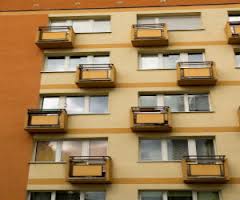
Decreasing Apartment Sizes In Mumbai Explained

Decreasing Apartment Sizes In Mumbai Explained

By siliconindia   |   Tuesday, December 10, 2013
Mumbai : A recent trend of reducing average sizes of residential properties has been recorded in the metropolitan cities of Delhi and Mumbai. However, other large metros such as Pune, Chennai, Bangalore, Hyderabad and Kolkata have actually seen a rise in the size of the average residential complex. This intriguing trend is actuality an indicator of the affordability of customers and the development of the residential sector across cities. Apartment sizes in Greater Mumbai have seen a drastic make over, from being 20% larger than those observed on a pan-India level in 2008 to being 15% lower than the national median size, accounting to a fall of almost 31%. However, the areas of Thane and Navi Mumbai have been seen to buck this trend of reducing apartment sizes. Although the greater affordability of people should warrant a preference for larger, more spacious apartments, this has hardly been the case. An examination of the factors responsible for this trend will help one to understand this phenomenon better. There was a drastic fall in the sizes of residential apartments in Mumbai, Navi Mumbai & Thane in 2009. It would be appropriate to attribute this to the after-effects of recession if not for the fact that construction of residential complexes takes a minimum of three years for its completion. Hence it seems highly unlikely that real estate developers would have been able to predict a recession in 2006 for them to start constructing smaller houses. Even if they were, they would not have altered their investment and construction plans on the basis of mere speculation when nothing could have been predicted with accuracy. Thus, the decision to build smaller apartments seems more likely to have been caused by the phenomenal rise in property prices in the past few years. According to data provided by realty research firms, there was a drastic rise in residential property prices in Mumbai for the period of 2005-2007. As Mumbai already holds the tag for being the costliest city in India, this extreme rise in property prices was bound to change equations of affordability for people. The developers attempted to build smaller apartment sizes to counter the negative consequences of this rise in the prices and to maintain an appropriate level of affordability. The developers can be counted upon to have an eye out on matters of consumer affordability and consumer preference as they receive real-time feedback from property buyers. Moreover, the power to alter apartment sizes according to the needs and the spending power of the buyers is well within the control of the developers. It will be interesting to see how this trend pans out in the near future.

Read More News :

ON THE DECK