Magazine :
Why Is It Still Worth Deploying Bare Metal Servers?
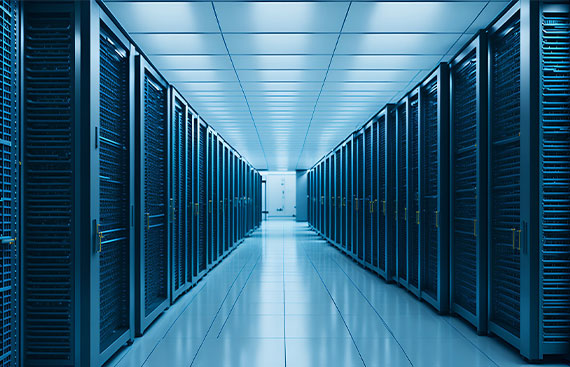
Your choice of server is critically important when it comes to hosting, as your whole business will depend on it. While there are cost-effective solutions for shared hosting, like cloud servers, sometimes your business may require complete control over the server infrastructure. This is where the bare metal server comes into play. Let's see what a bare metal server is and whether it is worth deploying into your business.
What is a bare metal server?
The term' bare metal' refers to the physical aspect of the hosting, i.e., the complete hardware. Based on the same concept as a dedicated server, a bare metal server is also a single-tenant server.
In a bare metal server, the user rents a physical server that is not shared with any other tenants. They allow the user direct access and complete control of the server's infrastructure, including the choice of operating system, applications, and hardware configurations.
Is a bare metal server worth deploying?
Here are some reasons why a bare metal server is worth deploying:
- High performance: Because of its single-tenant nature, all the resources work for a single client, resulting in increased response time, low latency, and higher levels of processing. This setting is suitable for e-commerce websites, mobile apps, and hosting sites.
- Enhanced security: A bare metal server isolates data, programs, resources, and applications, resulting in better security and privacy than other hosting servers. These features make it ideal for high-performance computing, large databases, and gaming servers.
- Customization and control: Since the user has complete control over the hardware, they can customize server resources to match their needs. They can choose the operating system, hardware specifications, and applications. This gives them full control of both hardware and software optimization.
- Predictable cost: Unlike cloud services, bare metal servers have fixed costs and predictable pricing models that do not fluctuate based on usage. You only pay for the time you use them; many bare metal providers even offer a pay-by-the-hour option.
Businesses in finance, healthcare, online gaming, entertainment, e-commerce, and retail should opt for this single-tenant, bare-metal server to meet stringent requirements for high performance, regulatory compliance, privacy, and security.
However, bare metal servers also have some cons to take into consideration.
Cons of bare metal servers:
- Higher initial costs: The initial setup cost is higher than compared to shared or cloud hosting
- Resource underutilization: Resource underutilization during a period of low demand can lead to poor ROI
- Limited scaling: Scaling is a time-consuming task as bare metal uses physical servers, and installing and configuring new hardware components are required
- Requires technical expertise: Managing a bare metal server in-house requires advanced technical skills and knowledge
Conclusion
Bare metal servers are a powerful infrastructure hosting solution because they offer complete isolation and full resource utilization for a single user.
The decision to choose bare metal servers usually involves mapping the business requirements, budget, performance, security demands, and future vision. If your business needs the best possible performance, low latency, and security, talking to a bare metal provider will help you make an informed decision.
Read More News :