Magazine :
What is Hibox? How to use Hibox? Is Hibox a scam?
In the world of online shopping, a platform that promises not just purchases but actual profits seems too good to be true. That was my initial thought when I first heard about HIBOX. How could shopping be a money-making venture? To unravel this mystery, I delved into the intricacies of HIBOX's model and was taken aback by the clever calculations that underpin their unique concept.
HIBOX's innovation comes in the form of the "mystery box" – an unconventional shopping experience. Instead of choosing items, you purchase a box with a surprise product inside. If you like it, great. If not, you can sell it. And here's the twist – HIBOX rewards you just for opening the box, a departure from the norm of returns and refunds.
Naturally, skepticism crept in. Can you really make money while shopping? That's what I pondered. So, I crunched the numbers. Say you buy a 1000 rupee mystery box every day. Over a month, the rewards could add up to about 150 rupees. A neat perk, right? But how does HIBOX manage to pay you for just opening a box? That's the mystery within the mystery.
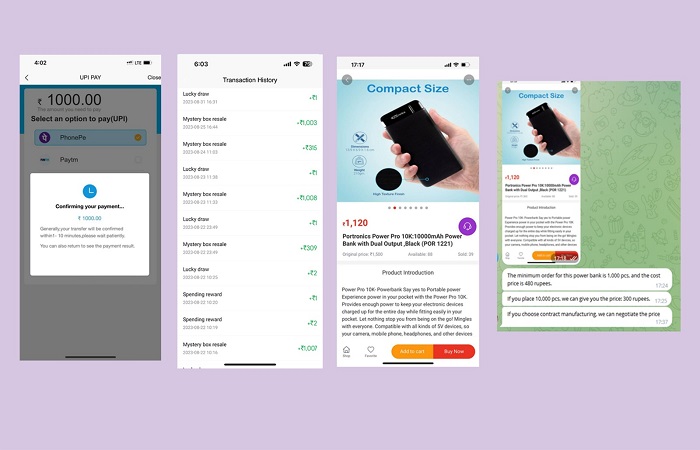
Delving deeper, the pieces started fitting together. HIBOX isn't just playing around; they've got a shrewd plan. They buy stuff in bulk at lower prices, and then they sell it to us for a bit more. That's where their profits come from. But what about those rewards? Why would they pay us for returning items? Well, that's where things get interesting.
Now, let's talk numbers I embarked on a journey to unearth the truth. I delved into the details of the products themselves, reaching out to manufacturers for insight. What I discovered was eye-opening – when purchased in bulk, these products came at a lower cost. For instance, a minimum order of 1000 units came at 480 rupees each. However, when that quantity ballooned to 10,000 units, the price dropped to 300 rupees each, and there was room for further negotiation.
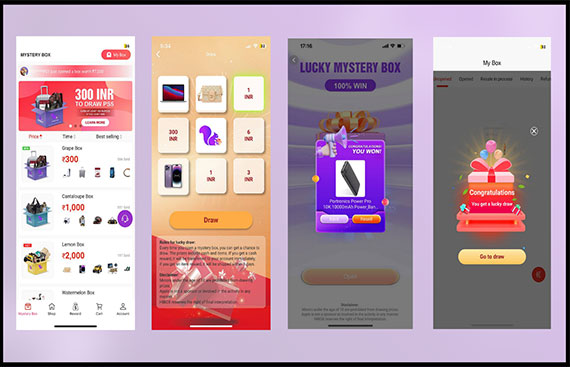
Now, let's crunch the numbers with an example. Imagine only one out of every 100 buyers decides to keep their mystery box item. In this scenario, HIBOX would pocket a profit of 700 INR, as they had obtained the item for 300 INR less. But, they would need to refund 99 INR for each of the 100 boxes sold, totaling 99,000 INR. In addition, factoring in a 0.5% reward on 99,000 INR, HIBOX would still retain a profit of 205 INR (700 INR – 495 INR = 205).
Now, let's consider a scenario where ten people opt to keep their items. HIBOX's profit would amount to an impressive 6,550 INR, given their cost savings of 3,000 INR. This calculation reveals a fundamental truth about HIBOX's approach – their primary goal is to sell products. Their advantage stems from purchasing items in bulk. If a significant portion of mystery boxes (more than 10%) are retained by buyers, HIBOX can offer greater rewards to the remaining 90% who choose to sell their items.
Conversely, if few items are kept, the rewards diminish. This leads to an interesting insight: the rewards HIBOX offers may not be as straightforward as they seem. Their actual extent might hinge on the revenue generated by the company.
In conclusion, HIBOX's venture is a fascinating blend of innovation, strategy, and mathematics. The numbers tell a story of calculated risk-taking and a keen understanding of how to make a unique shopping experience profitable. While skepticism initially clouded my perception, the deeper I dived into the calculations, the clearer the picture became. HIBOX has transformed shopping into a rewarding adventure, backed by a cleverly balanced system that benefits both the consumer and the company.
Read More News :
Bill Gates, Satya Nadella congratulate ISRO on Chandrayaan-3 success
Arnab Kumar has been appointed as Uber's Director of Business Development for India and South Asia