

The Significance of Maha Shivaratri: Understanding the Spiritual Importance
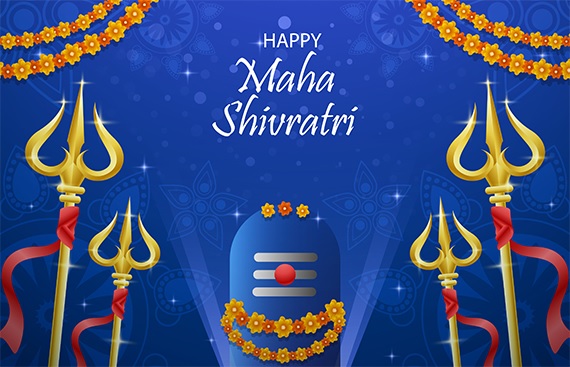
In Hindu tradition Shivaratri is considered as one of the most auspicious festivals. It is celebrated with great devotion and enthusiasm across India and around the world; it holds deep spiritual and symbolic significance. The night is dedicated to Lord Shiva, one of the principal deities in the Hindu pantheon, who represents transformation, destruction, and regeneration.
Maha Shivaratri is observed on the fourteenth day of the dark fortnight of the Hindu month of Phalguna, which usually falls in late February or early March. This evening is believed to be sacred for spiritual development, enlightenment, and receiving blessings from Lord Shiva. People think that worshipping Lord Shiva during this night can cleanse the soul, wash away karmic loads, and enhance spiritual bonds.
Historical and Mythological Significance
Maha Shivaratri marks the day when Lord Shiva is believed to have performed the ‘Tandav’, a cosmic dance representing the creation, preservation, and destruction of the universe. According to Hindu mythology, it is the night when Shiva married Goddess Parvati, symbolizing the union of the divine masculine and feminine energies. The day is also associated with Lord Shiva’s manifestation as the ‘Shiva Linga’ — a representation of the supreme cosmic energy.
Rituals and Practices and the Power of Prayers
Seeking blessing on the Shivratri, devotees observe several customs and rituals. The rituals vary according to regional traditions, but there are some common practices present which include:
Fasting: Devotees observe a strict fast, with avoiding rice and meat. Fasting is seen as an act of purifying the body and soul.
Night Vigil: One of the most important practices on this day is staying awake through the night. This vigil symbolizes the overcoming of spiritual ignorance and darkness, making way for enlightenment and wisdom.
For those who observe the rituals with sincerity and devotion, Maha Shivaratri is a time when prayers are believed to be especially potent. Lord Shiva is known for his kindness and compassion, and it is said that any prayer made during this sacred night is answered swiftly. Whether it’s seeking blessings for health, prosperity, or spiritual growth, this night is seen as a moment when Lord Shiva is most receptive to the prayers of his devotees. Rituals like abhishekam with milk, honey, and water, chanting of 'Om Namah Shivaya' and offerings of fruits by the devotees.
Spiritual Significance of Shivaratri
Maha Shivaratri is considered the night of spiritual awakening. Devotees believe that during this night, Lord Shiva bestows blessings on those who engage in self-reflection, prayer, and devotion. The night symbolizes the conquest of darkness and ignorance, symbolized by the night with the light of knowledge and wisdom which is symbolized by Shiva. The act of remaining awake throughout the night is believed to help purify the mind and soul.
The spiritual essence of Shivaratri encourages devotees to focus on self-discipline, meditation, and introspection. It is an opportunity for people to connect with their inner selves and elevate their consciousness. By engaging in various forms of worship, such as chanting mantras, especially ‘Om Namah Shivaya’, performing rituals, and making offerings to the Shiva Linga, devotees seek divine grace and protection from Lord Shiva.
The Transformative Power of Maha Shivaratri
More than external rituals, Maha Shivaratri is also about inner transformation. It is a night for self-reflection, a time to transcend worldly attachments, and a moment to reconnect with the divinity. It teaches the values of patience, perseverance, and devotion, which are essential for personal growth and spiritual evolution. In many spiritual traditions, night is considered a time for contemplation, and Maha Shivaratri amplifies this concept. By staying awake, devotees resist the temptations of sleep and engage in continuous worship, symbolizing their determination to overcome their lower instincts and rise toward higher spiritual goals.
The Cosmic Symbolism of the Night
The religious significance of Maha Shivaratri is also associated with the cosmic phenomenon of the cycle of birth, death, and rebirth. With the progress of the night and the arrival of darkness on earth, the force of Lord Shiva reminds us that everything on this planet is cyclic in character. Creation emerges out of destruction, and destruction leads to change. Lord Shiva, as the cosmic dancer, is the master of this cycle of life and informing us that each phase of life is a period for spiritual rebirth.
Conclusion
More than a religious holiday, Maha Shivaratri is a celebration of the divine energy that upholds the universe for the faithful. With a chance for people to get to know themselves through self-introspection, cleanse them, and reaffirm their resolve on the way of spirituality. As the 'Great Night of Shiva', it represents victory of light over darkness and knowledge over ignorance. With its rituals, prayers, and meditations, the devotees attempt to awaken their best potential and attain divine grace, making it an intense time for inner change and spiritual development.


