

Makar Sankranti 2025: A Festival of Harvest, Tradition, and Unity Across India

India, land of diversities of culture, tradition, ritual, and delicacy, each festival resonates some history and significance. Makar Sankranti, is one of the most festival which holds the distinction of its religious, scientific, and astrological significance. The festival celebrates the changeover of the sun from the southern hemisphere to the northern hemisphere and thus it remains the only Hindu festival in the solar calendar. Devotees all over the country pay respect to Lord Surya, the cosmic reservoir of power, through rituals like holy dips in rivers for spiritual purification.
Makar Sankranti also represents the triumph of good over evil, as Lord Vishnu defeated Sankarasura. It unites communities to celebrate agricultural prosperity, where farmers thank the harvest and seek blessings for a prosperous year. The festival strengthens familial bonds and reminds people to honor nature's gifts.
The Three Days of Sankranti Sambaralu
Sankranti celebrations span across three days, each marked by its own customs and rituals that reflect the diverse cultural practices of different regions.
Day 1: Bhogi - Welcoming the New Harvest
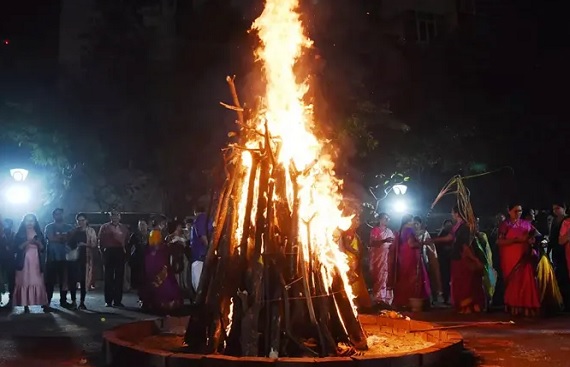
The first day of Sankranti, Bhogi is the day of purification and renewal. It starts with morning bonfires, where leaves, old furniture, and other unwanted materials are collected and set on fire in large heaps. These would symbolize the burning away of old things, so that the new year can have better harvests and an opportunity for new beginnings in personal life. The flames of Bhogi in states like Maharashtra and Andhra Pradesh signify warmth in family, community, and the promise of a bountiful year ahead.
On this day, fire burns while traditional sweets made out of freshly harvested rice and jaggery, called Pongali, are cooked and exchanged among families. These dishes symbolize the first fruits of the season, and people share them with family. Many parts of the country feature a major ritual in the decoration of homes with Rangolis, or Muggus, made with rice flour and turmeric. Colorful patterns are found at the entrance doorways, topped off by small balls of cow dung, known as Gobbemmalu, to ward off insects and bring good fortune.
Day 2: Makara Sankranti - A Day of Feasts and Celebrations
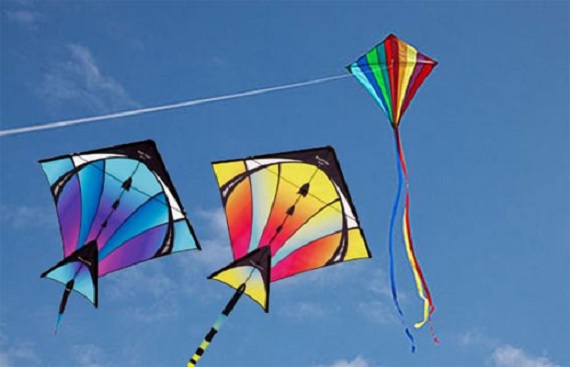
Makara Sankranti, the second day, is the most vibrant of the three. It is celebrated across the country with much gusto and grand feasts, kite flying, and even family reunions. In Tamil Nadu, it has a form of celebration named Pongal, where families take up the traditional Pongal dish-a sweeted rice delicacy made from newly harvested rice, sugarcane, and coconut. The people of northern states give each other sweets made of sesame and jaggery, which is said to bring health, happiness, and prosperity.
In Andhra Pradesh, Telangana, and Karnataka, social visits occupy the entire day as families invite their neighbors, friends, and newly married couples to celebrate in all their glory. Those from the groom's side are especially honored with special meals and gifts. Kites paint the skies with their colorful drapery as people enjoy kite flying competitions during this time of the year and cool January wind. Temples across India are crowded of devotees performing special prayers and rituals, offering thanks for the harvest through the year and requesting God's blessings for the year to come.
Day 3: Kanuma - Honoring Farmers and Their Animals
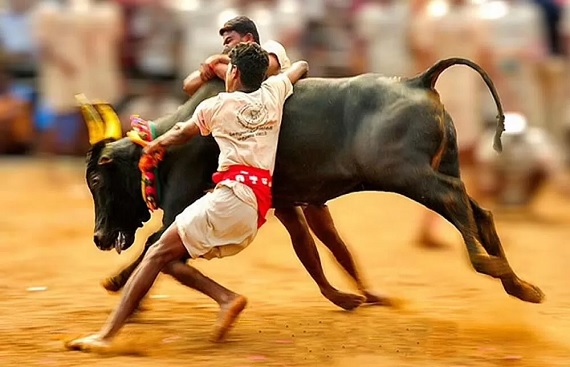
The last day of Sankranti is Kanuma, which is dedicated to the farmers and their animal friends. In rural areas, it is the cattle, oxen, and bulls that work hard to plow the fields and help in harvesting. Farmers decorate their animals with flower garlands, feed them special meals, and offer prayers for their health and strength. This day is often termed a thanksgiving day for the animals that sustain the livelihood of the farming community.
In the states of Tamil Nadu, this day is observed as the festival of Jallikattu, where daring men display their strength and dexterity by attempting to tame the bulls in a thrilling traditional affair. Cattle races and bullock cart races are very common in Karnataka and Andhra Pradesh. They give a chance to the farmers to showcase their prized animals and celebrate the bond between man and beast. In other areas, cockfights and bullock races form part of the celebrations, which brings communities together to enjoy a day of fun and competition.
Looking Ahead
Sankranti, the festival that runs deep in traditional roots, yet over the ages has blended all modernity along with age-old customs. And today, this technological world binds families across the length and breadth of India into sharing their joy through social networking sites, hence bringing people under one virtual canopy for celebrations. It is still essentially a harvest celebration, family bond, and the community. From the vibrant Rangolis to sweet Pongal, joyful kite flying, and honoring animals, Sankranti unites all ages, whether in a rural village or a busy city. It represents a time of regional variation perfectly aligned with universal themes of prosperity, well-being, and renewal.


