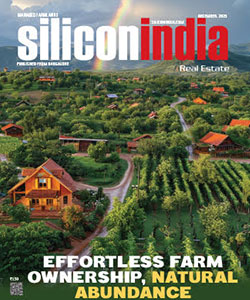
Magazine :
The Need for Nature in Growing Cities
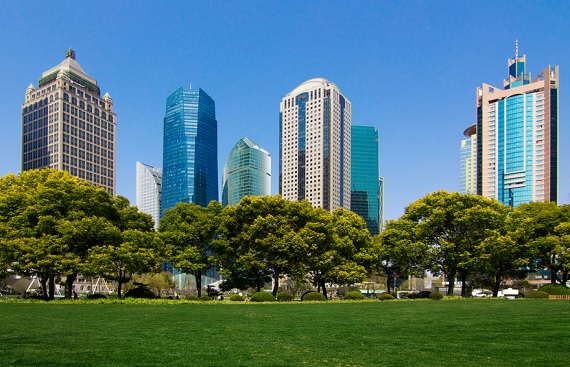
The Transformative Power of Nature, In an age where urban landscapes are expanding at an unprecedented pace, the symbiotic relationship between cities and nature takes on newfound importance. As urbanization accelerates and metropolitan skylines evolve, the imperative to harmonize the concrete jungle with the natural world becomes a critical endeavor. Beyond its aesthetic allure, nature holds a tapestry of ecological, psychological, and social advantages that are pivotal for individual well-being and the enduring sustainability of communities.
The Ecological Tapestry
Urban green spaces, whether sprawling parks or pocket gardens, are not mere embellishments but integral components of a city's fabric. Beyond their visual charm, they perform indispensable ecosystem services air purification, carbon sequestration, and water filtration that underpin urban vitality. These green pockets mitigate pollution, lower urban temperatures, and enhance overall environmental quality. Urban forests and preserved natural habitats are sanctuaries of biodiversity amidst the urban sprawl. Amidst towering buildings, these green havens house diverse flora and fauna, fostering ecological balance. They facilitate bird migration, pollination, and seed dispersal, contributing to healthy urban ecosystems and safeguarding our natural heritage. Rising temperatures and the urban heat island effect are pressing challenges. Here, nature emerges as an ally. Trees and vegetation provide shade and reduce ambient temperatures. Green roofs and vertical gardens offer insulation, curbing energy consumption. Wetlands and water bodies absorb excess rainwater, minimizing flooding risks. Nature's climate-regulating prowess is an asset in the fight against climate change.
Psychological Resonance
Urban living's bustling pace often divorces us from the serenity of nature. This "nature deficit" has far-reaching implications, including heightened stress, anxiety, and mental fatigue. Studies show that even brief interactions with nature be it a park stroll or gazing at a garden can significantly alleviate stress, elevate mood, and enhance cognitive function. In a world dominated by screens, nature serves as a conduit for human connection. Urban parks become communal spaces, fostering social interaction, recreational activities, and cultural events. These shared experiences engender a sense of belonging and unity, enhancing the social fabric of cities and bolstering a sense of community identity. From indigenous sacred sites to urban botanical gardens, nature knits cultural threads. It preserves history, catalyzes cultural exchange, and nurtures a city's unique identity. These spaces evoke a sense of pride, fostering deeper connections between residents and their surroundings.
Architectural Innovations
Innovative architects are creating luxuriant escapades above homes. Rooftop gardens and green terraces not only provide greenery but also regulate temperatures, reducing energy consumption. These elevated escapes are manifestations of nature's fusion with urban architecture. Living buildings, draped in plant life, blur the line between urban structures and natural ecosystems. These edifices contribute to energy efficiency, air quality improvement, and overall aesthetics, demonstrating that nature-inspired design can seamlessly merge with urban function.
Insights from Global Cities
The multifaceted importance of harmonizing urban expansion with nature, drawing insights from cities like Singapore, Vancouver, Bangalore, and Curitiba. By examining impacts on physical health, mental well-being, ecological balance, and cultural enrichment, we highlight the universal need for nature in urban growth. Green spaces significantly benefit city residents' health. Cities like Singapore and Vancouver stand out for prioritizing these spaces. Singapore's commitment to transforming underutilized areas into lush gardens exemplifies this, providing serene environments for exercise and relaxation. Similarly, Vancouver's Stanley Park serves as an urban oasis, offering sanctuary for both physical activities and mental rejuvenation.
Environmental sustainability is crucial amid urban expansion. Cities like Curitiba have set precedents with innovative approaches to sustainable growth. The Curitiba Botanical Garden preserves biodiversity while educating on ecological conservation. Nurturing green belts and creating designated wildlife habitats address the environmental impacts of urbanization. Nature plays a pivotal role in fostering community cohesion and cultural enrichment. Bangalore's Lalbagh Botanical Garden and Curitiba's Barigui Park exemplify how green spaces serve as cultural hubs. These areas host festivals, art exhibitions, and communal events, promoting shared identity and belonging. Initiatives like Singapore's Bishan-Ang Mo Kio Park showcase how integrating nature can reinvigorate urban spaces and connect people.
The integration of nature requires strategic urban planning. Cities can learn from each other's approaches to ensure a harmonious blend of nature and development. Singapore's dedication to creating a city within a garden and Vancouver's focus on sustainable transportation options demonstrate effective strategies. Similarly, Curitiba's emphasis on efficient public transportation and pedestrian-friendly zones highlights a commitment to reducing carbon emissions. Incorporating nature into urban expansion is a global concern that transcends geographical boundaries. From Singapore's gardens to Vancouver's parks and from Bangalore's cultural hubs to Curitiba's sustainability initiatives, cities worldwide recognize nature's paramount importance. Impacts span health, ecology, and culture. As cities evolve, lessons from diverse urban landscapes underscore the need to strike a balance between development and nature preservation. By embracing nature, cities can redefine growth and ensure a resilient, vibrant future for their citizens.
Finally, The need for nature in burgeoning cities goes beyond aesthetics it's a requisite for ecological equilibrium, human wellness, and societal cohesion. The journey toward nature-centric urbanization encompasses architectural innovation, strategic policies, and a collective commitment to preserving the innate harmony of our world. As urban landscapes evolve, the integration of nature stands as an irreplaceable pillar, nurturing thriving cities that are both vibrant and sustainable.
Read More News :