
 Magazine :
The Ins and Outs of Buying IPv4 Addresses
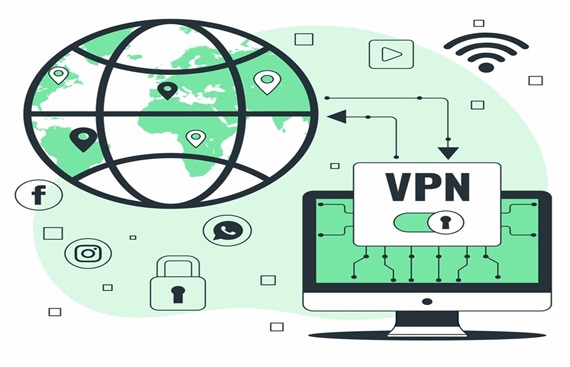
In the world of internet networking, IP addresses are akin to the street addresses of the digital world. They are crucial for identifying devices on a network and facilitating communication. With the exhaustion of IPv4 addresses, buying them has become a significant aspect for many businesses. In this blog, we'll explore the nuances of purchasing IPv4 addresses, why it's necessary, and the best practices to follow.
Understanding IPv4 and Its Scarcity
IPv4 (Internet Protocol version 4) has been the backbone of internet addressing since the 1980s. It uses a 32-bit address scheme, which theoretically allows for over 4 billion unique addresses. However, due to inefficient allocation and the explosive growth of the internet, these addresses have become scarce.
Why Buy IPv4 Addresses?
- Continuity and Compatibility: Many businesses continue to rely on IPv4 due to its widespread adoption and compatibility with existing infrastructure.
- Investment: Given their scarcity, IPv4 addresses have become valuable assets. Companies purchase them as an investment, anticipating their value will increase over time.
- Operational Necessity: Some organizations require a significant number of IP addresses to support their operations, making it necessary to purchase additional IPv4 addresses.
How to Buy IPv4 Addresses
- IPv4 Marketplaces: There are dedicated marketplaces and brokers that facilitate the buying and selling of IPv4 addresses. They provide a platform for transactions and often offer additional services like address transfer facilitation.
- Due Diligence: It’s crucial to verify the legitimacy of the addresses to avoid buying those that are blacklisted or already in use.
- Price Negotiation: The price of IPv4 addresses can vary based on the subnet size and market demand. Negotiation is a common part of the buying process.
- Transfer Process: Once purchased, the IP addresses must be officially transferred through the relevant Regional Internet Registry (RIR), which involves a series of administrative processes.
Challenges and Considerations
-
Legal and Compliance Issues: Ensure compliance with regional regulations and policies set by RI

- Technical Considerations: Assess your network's compatibility and readiness for integrating new IP addresses.
- Scams and Fraud: Be cautious of scams. Work with reputable brokers and perform thorough checks.
Alternatives and Future Outlook
While buying IPv4 addresses is a current solution, the future lies in IPv6. It offers a vastly larger address space and is gradually being adopted worldwide. However, the transition is slow, and for the foreseeable future, IPv4 will continue to be relevant.
Conclusion
To buy IPv4 addresses is a complex but often necessary process for many businesses. It requires careful consideration, due diligence, and an understanding of the market and regulatory environment. As we move towards a more IPv6-centric internet, the dynamics of IPv4 will continue to evolve, making it an interesting and crucial aspect of internet networking.
Read More News :
Retik Finance (RETIK) All Set To Replace Polygon (MATIC) in the Top 20 Cryptos
Tinplate and the Government of Jharkhand signs MoU for industrial advancement


.jpg "Top Companies of the Year")