Magazine :
The Distinction Between SaaS and Self-Hosted Business Models
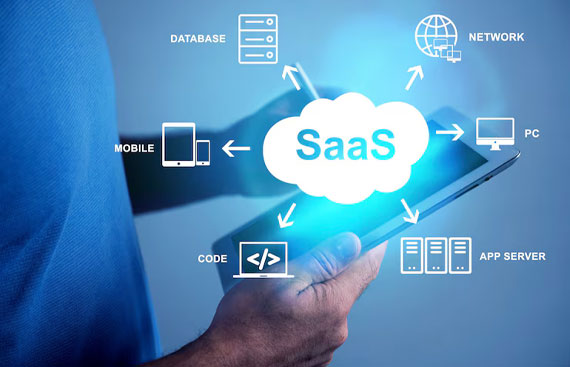
Utilising technology is essential for corporate success in the current digital world. Businesses are using more and more different tech models to enhance their operations. The most popular are self-hosted solutions and the Software as a Service (SaaS) model.
Selecting the best solution requires understanding their distinctions, including those related to cost, control, and security. This article will explain the fundamentals of self-hosted and SaaS models, contrast their characteristics in the financial industry, and advise which option is best for your company.
Understanding the SaaS Model
With SaaS, users can access applications online through a cloud-based method where the provider handles all the technical details, such as security and updates. As an illustration, consider Google Workspace, which provides users with word processing and other applications that are accessible from any device and manage all technical details.
Through Brokerage as a Service (BaaS), which enables institutions to offer trading without becoming brokers and uses cloud-based tools and APIs for seamless integration, security, and compliance, SaaS has completely changed operations in the finance industry.
Self-Hosted Concept
With self-hosted solutions, you can execute software on your servers instead of depending on third parties. This grants total command over the infrastructure and software. For example, hosting a website on one of the web servers, such as Apache or Nginx, requires you to handle security and performance yourself.
Self-hosted solutions in the fintech space give banks and other financial institutions the flexibility to personalise and manage their IT environments, guaranteeing compliance and incorporating proprietary technologies—although this calls for internal management of security and updates.
The Comparison
Take into consideration several aspects when deciding between self-hosted and SaaS solutions. Because SaaS is based on a subscription model, it usually has lower beginning costs than self-hosted options, which need significant upfront investment in software, infrastructure, and continuous maintenance.
Because the supplier takes care of infrastructure requirements, SaaS is readily expandable and makes budget management easier. On the other hand, self-hosted solutions can be more expensive and require extra investment.
SaaS apps are perfect for remote work since they can be swiftly deployed and accessed from any internet-enabled device. On the other hand, setting up and securing remote access takes longer for self-hosted systems. While self-hosted solutions provide you total control over data security with on-site storage, SaaS security is maintained by the provider and involves off-site data storage.
While self-hosted systems allow for substantial customisation and direct control of compliance with security laws, SaaS often allows less customisation and depends on the provider for compliance. While self-hosted systems require internal or external IT help, SaaS providers handle maintenance and support.
Finally, self-hosted systems rely on internal resources for stability and disaster recovery, whereas SaaS providers guarantee performance and dependability through managed infrastructure.
Final Thoughts
Before making your choice, you should consider several critical criteria. Because SaaS models offer flexible pricing, easy setup handled by outside parties, and cheaper upfront expenses, they are a good fit for companies with limited IT resources. On the other hand, self-hosted solutions require more constant maintenance and have higher infrastructure expenses despite offering more customisation and flexibility.
Examine each model's benefits and limitations, consider your needs for scalability and flexibility, and decide which option best satisfies your long-term business goals.
Read More News :
Top Stocks to Watch on September 18: LIC, Tata Power, IHCL, and More