Magazine :
RBI raises transaction limit for small-value offline digital payments to Rs 500
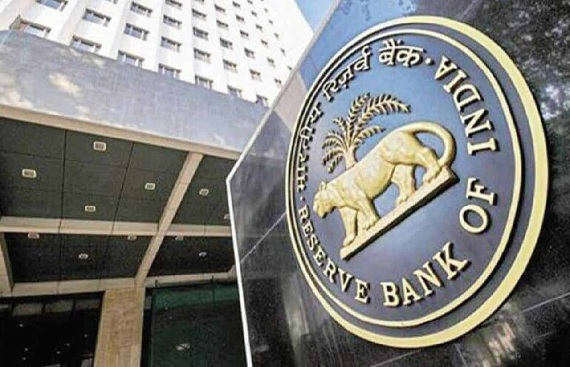
The Reserve Bank of India raised the transaction limit for small-value digital payments made in offline mode from Rs 200 to Rs 500 with effect from August 24. The change occurred a few days after the top bank's proposal to increase transaction value was made during its bimonthly monetary policy committee meeting. "These channels offer faster, more dependable, contactless ways of payment for regular small value purchases, transport payments, etc., by eliminating the requirement for two-factor verification for small value transactions. Enhancing these boundaries has been requested ever since. It is currently suggested to raise the per transaction limit to Rs 500 in order to promote greater usage of this payment method and expand use cases for it, the RBI had stated in its weekly meeting.
In January last year, the apex bank issued the ‘Framework for facilitating small value digital payments in offline mode,’ allowing offline payments of up to Rs 200. The apex bank had then said that the total limit for offline transactions on a payment instrument shall be Rs 2,000 at any point in time. The decision was taken in order to induce digital transactions across the country, especially in rural and semi-urban areas. As per the framework by RBI, an offline payment means a transaction that does not require internet or telecom connectivity. The offline small-value digital payments can be made by either using the National Common Mobility Card or UPI Lite.
According to RBI guidelines, offline payments may be made using any channel or instrument like cards, wallets, mobile devices, etc., and shall be made in proximity (face-to-face) mode only. The offline payment transactions may be offered without the additional factor of authentication, said the RBI earlier. The apex bank also launched a pilot scheme for small-value payments in offline mode in August 2020. "Over the years, the Reserve Bank has prioritized security measures for digital payments such as the requirement of Additional Factor of Authentication and online alerts for every transaction. These measures have significantly increased customer confidence and safety, leading to increased adoption of digital payments. The absence of, or erratic, internet connectivity, especially in remote areas, is a major impediment to the adoption of digital payments. Availability of options to make offline payments, using cards, wallets or mobile devices could boost the adoption of digital payments," according to RBI.
Notably, in order to enhance digital payments, the apex bank has also proposed to facilitate offline transactions using near-field communication (NFC) technology. This feature will not only enable retail digital payments in situations where internet or telecom connectivity is "weak or not available", but it will also ensure speed, with minimal transaction declines, says the central bank, adding that it'll issue appropriate instructions to the NPCI (national payment corporation of India) in this regard soon.
Read More News :
Personality Development-The Tool to Overpower Success in Life & Business
Karnataka CM Siddaramaiah visits ISRO to felicitate scientists in Vidhana Soudha