
 Magazine :
Public-Private Sector Interventions Key to India's $1 Trillion Export Goal by FY30
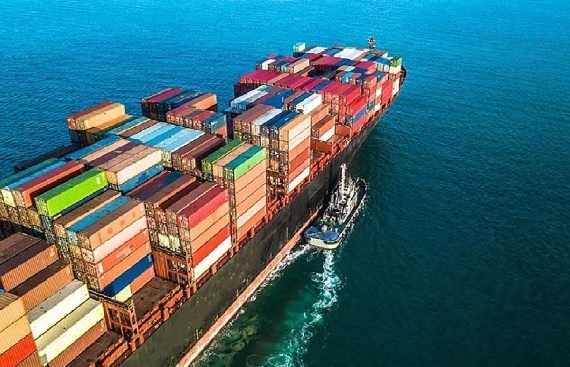
As India aims to achieve $1 trillion in merchandise exports by FY30, a new report highlights the vital role of public and private sector interventions in creating a robust export ecosystem. The report underscores the need for strategic collaboration to drive the nation's export growth.
The transition from ‘Atmanirbhar Bharat’ to ‘Viksit Bharat’ is a testament to India’s ambitions of moving up the global economic ladder. The report, developed by PwC India and launched by Commerce and Industry Minister Piyush Goyal, introduces the ‘VIKSIT framework’ a strategic blueprint designed to enhance competitiveness across government and private sectors over the coming years. This framework is positioned to provide actionable insights that will be instrumental in securing India’s long-term economic success.
Sanjeev Krishan, Chairperson of PwC India, emphasized the importance of the framework in boosting the country’s export potential. “India’s rise to becoming the fifth largest global economy is closely linked with its increasing share in global trade, driven by a focus on export-led growth. The VIKSIT framework is a strategic initiative aimed at leveraging the nation’s strengths and addressing key infrastructural and technological barriers”, he stated.
The report outlines a comprehensive roadmap for driving India’s export growth, highlighting essential steps to engage MSMEs, industry players, and infrastructure developers. The aim is to create a sustainable export ecosystem that can support India’s ambitious targets.
Currently, only 1.36 percent of India’s registered MSMEs are engaged in exporting, revealing a significant gap in MSME internationalization. The report identifies several challenges hindering MSME exports, including a complex business environment, cumbersome export procedures, limited access to finance, and insufficient market information. Addressing these barriers is crucial for unlocking India’s potential to reach the $1 trillion export goal.
Moreover, the report notes that global policies on climate mitigation, which have accelerated in the past decade, will impact both access to markets and competitiveness. Exporters will need to integrate decarbonization strategies within their value chains to stay competitive on the global stage.
The adoption of advanced technology in Indian manufacturing and export sectors has been slow, affecting the ability to meet international market trends and demands. The VIKSIT framework advocates for a technology-driven approach, particularly in the automobile sector, where original equipment manufacturers (OEMs) should lead the supply chain’s digital transformation.
The framework also calls for driving electronics export growth through backward integration in manufacturing to enhance value addition and scale. In the food processing sector, the emphasis is on moving beyond primary processing to cater to secondary and tertiary demands, focusing on ready-to-eat and ready-to-cook products aligned with global standards.
Read More News :
Amgen to Open Technology & Innovation Centre in Hyderabad
India has Become next Big Growth Bet for PepsiCo to P&G, as China Lags


.jpg "Top Companies of the Year")