Magazine :
Mastering Vulnerability Management in the modern era of technology with Santosh Kumar
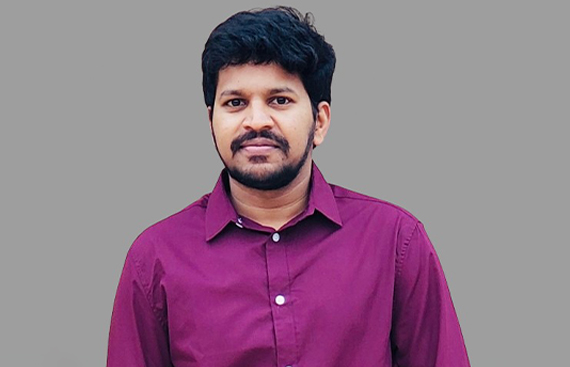
In recent times, protecting digital assets/data has been more critical than ever and with the constant increase in cyber threats, organizations are on the front foot to adopt intensive measures to safeguard their data and assets. These measures can range from internal changes to adoption of new management systems for the organization. This practice of vulnerability management is further decoded by looking at Santosh Kumar’s work in the domain, for enhanced comprehension.
Kumar’s presence and influence in Cyber Security has been defined by an overarching commitment to excellence in Vulnerability management. From his early days, primarily working as a SIEM (Security Information and Event Management) engineer to his current position in the space of Vulnerability Management Program, guiding organizations to track and remediate the vulnerabilities within defined SLAs and the importance of why the organization needs to remediate them, his contributions have been aimed at mitigating vulnerabilities which may expose organizations to cyber risk.
As Kumar highlights, there exist four stages in vulnerability management: Identification, Prioritization, Remediation, and Reporting. Firstly, one needs to understand the landscape/Asset Inventory in an organization. Subsequently, identifying who the stakeholders are going to be and progressively, establishing the workflows will become essential. “These workflows define who performs scans against assets in the environment and how they report findings to stakeholders to remediate the vulnerabilities”, marked Kumar. Once the vulnerabilities are identified by scanning tools, then comes prioritization.
Remediation follows the initial identification. Santosh shared - “Vendors do not always release patches when a vulnerability is released; in such cases, it is important to identify what are the mitigations and apply any compensating controls if applicable which will minimize the risk of exploitation.” Once the patch is released by the management handlers, ensuring that patch is applied or if an upgrade is available, then upgrading the asset to the latest version stands as the fundamentals of this workflow. The final stage is reporting, which is to quantify the risk that the system has eliminated and what is the leftover risk the organization needs to look for and prioritize accordingly.
Time is of the essence in this fast-paced world in cybersecurity, Kumar notes. Vulnerabilities can be exploited in minutes and human processes cannot keep up with the ever-changing threat landscape. Kumar has advocated for the use of automation in vulnerability management throughout his career. Automation may not only speed up the scanning and evaluation process, but it also minimizes the margin for human mistake.
Finally, Mastering the vulnerability management in the current technological era is more than just a task, it's a goal. It requires a comprehensive strategy that includes automation, prioritizing, and scan coverage. It needs a thorough comprehension of the always changing threat landscape and a dedication to always being one step ahead of prospective threats. Companies can successfully navigate the challenging cybersecurity landscape by employing the appropriate methods and a strong sense of protection, resulting in a more protected and reliable environment.