Magazine :
International Day for the Eradication of Poverty: A Global Call to Action
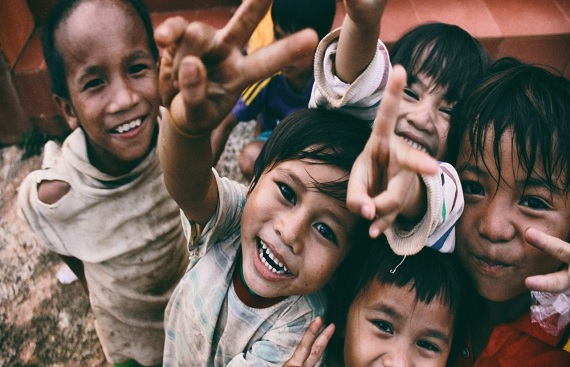
The International Day for the Eradication of Poverty, observed annually on October 17, is a time when nations come together to raise awareness of the global poverty epidemic that affects millions of people's lives. It provides a chance to look at how the fight against poverty is going while recognizing the significant obstacles that still stand. Emphasizing our commitment to ending extreme poverty on this day serves as a global community. We examine the significance of the day, various approaches to reducing poverty, and encouraging examples of progress from around the world in this article while issuing a global call to action.
The theme of International Day for the Eradication of Poverty 2023 is "Decent Work and Social Protection: Putting Dignity in Practice for All". It emphasizes the need for everyone to have access to social protection and decent work and the value of empowering individuals and ensuring that all workers receive fair pay and working conditions. The theme also emphasizes how critical it is to provide all people with social security to ensure their financial safety, highlighting the most vulnerable. It is a request made to decision-makers to put social justice ahead of corporate profits and human dignity in their deliberations.
The Historical Significance of October 17
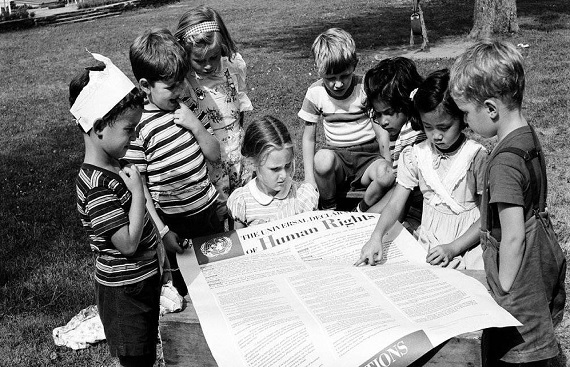
The International Day for the Eradication of Poverty was first observed on October 17, 1987. More than 100,000 people attended that day to the Trocadéro in Paris, the site of the 1948 writing of the Universal Declaration of Human Rights, to pay respects to those who had perished from extreme poverty, violence, and hunger. They argued that poverty infringes on human rights and that cooperation is required to uphold them. Since then, on October 17, people of various ages, religions, and social backgrounds have come together to reaffirm their commitment and show sympathy for the underprivileged. Resolution 47/196 of the UN General Assembly, passed on December 22, 1992, declared October 17 the International Day for the Eradication of Poverty.
Secretary-General of the United Nations, Kofi Annan, said in 2002, "Poverty is a denial of human rights" for every individual. Indeed, poverty is utterly appalling. Not only does it lead to a life of daily deprivation, hunger and suffering, but it also prevents the enjoyment of fundamental rights and freedoms, which every human being should be able to enjoy without hindrance."
The United Nations' Sustainable Development Goal 1
Goal 1 is a crucial goal included in the 2030 Agenda for Sustainable Development, which the United Nations unveiled in 2015. The global elimination of poverty in all its forms is the objective of this goal. The goal is crystal clear: to end extreme poverty by 2030. This ambitious goal necessitates a comprehensive approach considering gender equality, economic growth, social safety nets, equitable access to healthcare and education, and more. It highlights the close connection between poverty and other urgent global issues. We have embraced this mission as an international community because we understand the complex relationship between poverty and our most significant problems. Goal 1 is more than just a dream; it is also a shared responsibility and proof of our commitment to a more just and prosperous world.
Multifaceted Approaches to Poverty Reduction
Numerous interventions are used in multifaceted approaches to poverty reduction to improve people's lives. It explores the complex web of underlying factors rather than raising income levels. A crucial role is played by education and skill development, which give people the means to find stable employment and escape the cycle of poverty. A foundation for economic stability, accessible healthcare ensures that medical costs do not bankrupt families. Social safety nets act as an essential cushion against unforeseen shocks, while programs that advance gender equality and inclusive economic practices give marginalized communities more power. Long-term prosperity is made possible by sustainable development initiatives and ethical environmental behavior. By using this multifaceted strategy, societies can promote resilience, give people more power, and pave the way for a prosperous future for all.
Global Progress in Poverty Alleviation
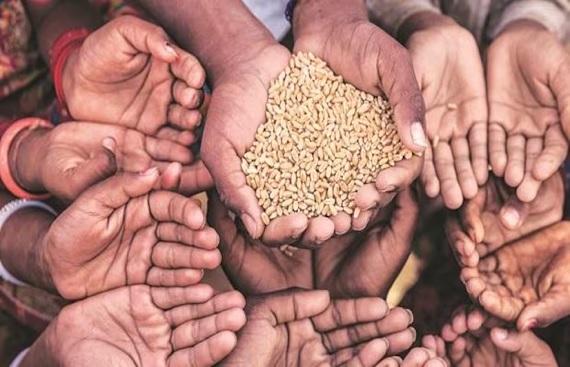
The fight against poverty has made significant strides thanks to international efforts over the past few decades. Despite these advancements, recent obstacles, most notably the COVID-19 pandemic, have reversed some of these successes and placed many people in financial hardship. Addressing inequality and expanding access to social inclusion, employment opportunities, and education remain crucial as we move forward to reduce poverty. Targeted investments in social safety nets, healthcare, and education are all part of strategies, especially for the most vulnerable. It is crucial to understand that eradicating poverty is a lifelong project that requires flexibility and collaboration. By strengthening our commitment to equity and inclusivity, we can advance the fight against poverty globally and ultimately ensure a more just and prosperous world.
Inspiring Stories of Poverty Eradication
Dr. Bindeshwar Pathak and Sulabh International: Dr. Bindeshwar Pathak is a social entrepreneur who founded Sulabh International, an organization dedicated to improving sanitation and hygiene in India. Sulabh has built over 1.5 million public toilets, providing millions of people with safe and clean sanitation facilities. By addressing a fundamental issue affecting people's health and dignity, Dr. Pathak's work has profoundly impacted poverty alleviation.
Shanti Devi and the Barefoot College: The Barefoot College, founded by social activist Bunker Roy, has empowered rural women like Shanti Devi. Shanti, a grandmother from a small village in Rajasthan, became a solar engineer through Barefoot College's training program. She learned how to install and maintain solar panels, bringing electricity to her village and many others. This initiative improved living conditions and created economic opportunities for these women.
Shabnam Hashmi - ANHAD: Shabnam Hashmi is a social activist who founded ANHAD (Act Now for Harmony and Democracy). Her organization works towards empowering marginalized communities through education, healthcare, and livelihood opportunities. ANHAD's initiatives have been instrumental in supporting communities to escape the cycle of poverty.
In conclusion, the International Day for the Eradication of Poverty is a melancholy global reminder that, despite our progress, a sizeable portion of humanity continues to live in extreme poverty. It's a forceful call to action that encourages us to address the complex web of underlying issues and systemic injustices that keep people in poverty. To end it, we must foster social inclusion, economic development and an unwavering dedication to upholding human rights and dignity. This day should be used for introspection, as a spur to action, and as a ray of hope. It stands for our shared commitment to a world where extreme poverty is a thing of the past. Let's reaffirm Father Joseph Wresinski's wise words and acknowledge that human rights are violated wherever poverty exists.
Read More News :
Bengaluru airport ranked as the world's most punctual and Hyderabad at 3rd spot
The Intersection of HR Operations and Technology: In Conversation with Ramesh Nyathani