Magazine :
Intelligence fiddles while Mumbai burns again
Bangalore: It all began on 12 March, 1993 when a series of 13 car bombs shook the city of Bombay which injected an ever-lasting sense of fear and instability into the lives of mumbaikars. The story never ended. It repeated in 2002, many more in 2003, again in 2006, the 26/11 attack in 2008 and once again terror has revisited the city on July 13, 2011 claiming the lives of as many as 18 innocent civilians.
The 1993 Bombay bombings allegedly masterminded by Dawood Ibrahim with the help of Pakistani intelligence agency, Inter-Services Intelligence (ISI) has been viewed as a retaliation to the Hindu-Muslim riots in Bombay in the fall-out of the Masjid demolition. The single-day terror attack, said to be the most destructive bomb explosions in Indian history, killed 250 people and injured 700.
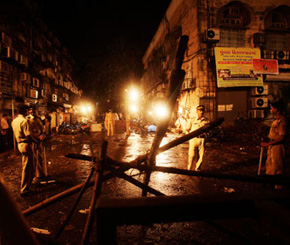 The next terror strike in Mumbai was on 6 December 2002 which marked the 10th anniversary of the demolition of the Babri Mosque. The attack that killed two people and injured 28 was the first one in a series of five bombings in the city within a period of eight months.
The year 2003 witnessed as many as 4 blasts in the city killing nearly 65 people. The first one was on January 27 in Vile Parle railway station that killed one person and injured 28. Barely 2 months from this attack, another bomb went off on 14 March in a train at Mulund Station which claimed the lives of 10 people and injured 70. Mumbai's busy Lal Bahadur Shastri Marg in Ghatkopar was the next target and the blast killed 4 people on July 28. The worst was not over yet for the year and on 25 August 2003, the twin car bombings that rocked the business capital of the country killed 54 and injured 244 people.
The next terror strike in Mumbai was on 6 December 2002 which marked the 10th anniversary of the demolition of the Babri Mosque. The attack that killed two people and injured 28 was the first one in a series of five bombings in the city within a period of eight months.
The year 2003 witnessed as many as 4 blasts in the city killing nearly 65 people. The first one was on January 27 in Vile Parle railway station that killed one person and injured 28. Barely 2 months from this attack, another bomb went off on 14 March in a train at Mulund Station which claimed the lives of 10 people and injured 70. Mumbai's busy Lal Bahadur Shastri Marg in Ghatkopar was the next target and the blast killed 4 people on July 28. The worst was not over yet for the year and on 25 August 2003, the twin car bombings that rocked the business capital of the country killed 54 and injured 244 people.

.jpg "Direct Sales Companies")