Magazine :
India Sees Significant Rise in Natural Gas Production and Imports in April 2024
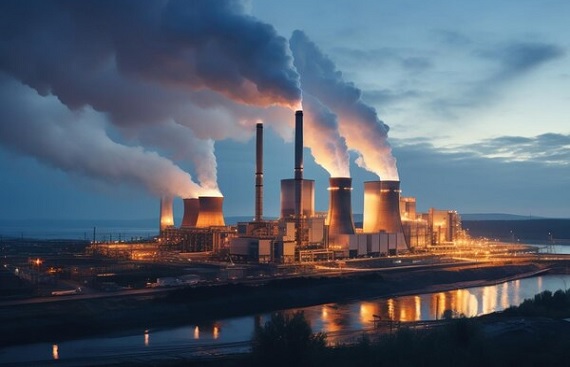
India's gross production of natural gas reached 2,958 million standard cubic meters (MMSCM) in April 2024, marking a notable 7.8 percent increase compared to the same month last year, according to a report by the Petroleum Planning & Analysis Cell (PPAC) of the Ministry of Petroleum & Natural Gas. This uptick highlights the nation's concerted efforts to enhance domestic production capabilities within the energy sector.
In addition to the rise in domestic production, total imports of liquefied natural gas (LNG) stood at 2,650 MMSCM for the month, reflecting a 5.4 percent increase from April 2023. These import figures underscore India's continued reliance on LNG to meet its growing energy demands, despite the increase in domestic output.
Combined, the total available natural gas for April 2024 was 5,087 MMSCM, showing a year-over-year growth of 7.1 percent. This increase in availability has been critical in supporting various economic sectors, especially as India embarks on more energy-intensive industrial activities.
"The integration of increased domestic production with strategic imports ensures that India is well-positioned to meet its industrial and commercial energy requirements", stated a senior official from PPAC. "These efforts align with the government's objective to increase the share of natural gas in India's energy mix, contributing to more sustainable economic growth".
The sectoral breakdown of natural gas consumption for April 2024 revealed that the fertilizer industry remained the largest consumer, utilizing 28 percent of the total gas supplied. This sector heavily relies on natural gas as a feedstock to produce urea and other fertilizers, which are crucial for India's agricultural sector.
City Gas Distribution (CGD) accounted for 20 percent of the consumption, reflecting the government's push towards adopting natural gas as a cleaner fuel for cooking and vehicular use. The power sector, consuming 16 percent of the total, uses natural gas to generate electricity, benefiting from its relatively lower greenhouse gas emissions compared to coal and oil.
Refineries and petrochemicals were other significant consumers, using 11 percent and 2 percent of the total natural gas respectively. These industries depend on natural gas as a feedstock for producing a range of products, including gasoline, diesel, plastics, and synthetic fibers.
The report also highlighted the robust processes involved in the collection and storage of data on gas production and importation, ensuring accuracy and transparency. "The meticulous approach to data handling reflects our commitment to providing reliable and timely information to all stakeholders", added the PPAC official.
Looking ahead, the PPAC report emphasized the strategic initiatives undertaken by the government to further increase domestic production of natural gas through new exploration and enhanced recovery techniques at existing fields. These initiatives are expected to gradually reduce India's dependency on imports and stabilize the supply for the growing domestic market.
As India continues to navigate its path towards a more diversified and sustainable energy portfolio, the role of natural gas is poised to expand. This expansion supports not only the economic ambitions of the nation but also its environmental commitments on the global stage.
Read More News :
Stocks to Monitor: Timken, LIC, NMDC, Inox Wind, Hudco, Dish TV, Goodyear
HCLTech Teams Up with Arm for Silicon Chips Optimized for AI Workloads