
 Magazine :
How Personal Injury Lawyers Can Help Athletes in Abuse and Assault Cases
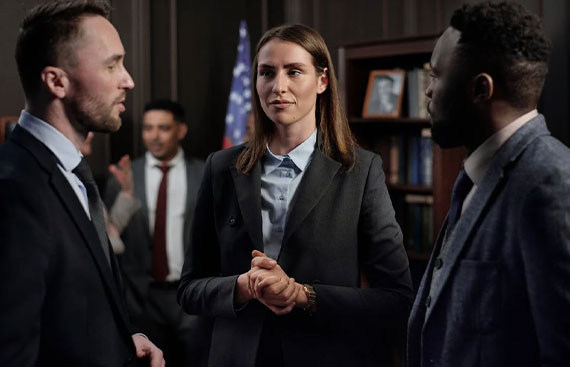
Abuse and assault cases in sports have made headlines in recent years and have brought to light some of the pitfalls and risks faced by athletes at all stages.
Sports personnel often feel paralyzed when it comes to taking a stand against abuse and seeking dues or justice due to power dynamics in sports organizations and a lack of resources.
Personal injury lawyers are crucial in giving these cases the care, knowledge, expertise, and skill necessary for athletes to pursue their cases and build a solid legal recourse.
This is how they will help or make a difference:
Navigating the Legal Complexities of Assault and Abuse in Sports
As legal matters unfold, these cases have many layers, especially with the involvement of organizations and institutions such as colleges in abuse cases.
For instance, a college athlete might be subjected to a coach for abuse, only to be up against both their school's administration and the sport's governing bodies. The attorneys at Bradley Law Personal Injury Lawyers can exercise their professional skills in getting such multilayered cases, seeking to make the direct abuser accountable.
They will also task whichever institutions have failed to protect the athlete (including any sports organization, school, or league, if applicable).
Gathering and Preserving Evidence
Collecting evidence in abuse and attack cases is a touchy but essential thing. Other athletes will not speak up outright; evidence is lost, and memories fade. Personal injury lawyers guide the athlete while documenting injuries, collecting testimonies, obtaining records, and preserving the evidence.
Their experience in presenting and preserving evidence is essential for constructing a convincing case that will survive in court or support negotiations.
Providing Networks for Emotional and Psychological Support
The cases involving abuse and assaults are emotionally draining, and the athletes may suffer in isolation. While personal injury lawyers are not therapists, many may work with mental health professionals to ensure that athletes are sufficiently supported.
Some help connect the athletes with networks of advocates, support groups, and counselors who can offer psychological support to athletes involved in a case.
Particularly for athletes suffering trauma, this holistic approach offers good value by providing an understanding team behind them during the search for justice.
Understanding the Unique Dynamics of Sports-Related Abuse
Abuse cases within the sports world have quite a different dynamic from standard cases. This difference stems from hierarchical team management, sponsorships, and media scrutiny.
Abuse may come from coaches, trainers, peers, or even fans, making it difficult for athletes to fight back for fear of reprisals or career damage.
Sports abuse lawyers understand these dynamics and can handle such cases deftly and delicately while being aware of the athlete's need for privacy and protection from anything that may harm their careers.
Obtain Fair Compensation for Injuries and Psychological Trauma
Abuse and assault can cause lifetime physical and emotional trauma that will change animal athletes' careers and occupations.
A personal injury lawyer can help secure compensation for physical injuries, lost income, and medical costs, including psychological repercussions such as depression, anxiety, or post-traumatic stress.
An experienced personal injury lawyer will come to a settlement value that integrates immediate requirements and prepares for long-term repercussions so that the athlete will not get left on the side when he has endured the trauma.
Endnote
For athletes facing abuse or assault, a personal injury attorney can serve as a bridge to justice, protection, and support.
They are not just experts at building various cases; they understand athletes' unique anxiety and fears. With the right legal help, athletes can regain control of their lives, obtain compensation, and help make the sporting world safer.
Read More News :
Nasscom Unveils AI Developer Playbook for Effective Risk Management


.jpg "Top Companies of the Year")