
 Magazine :
How ML and AI are Shaping the Retail Industry
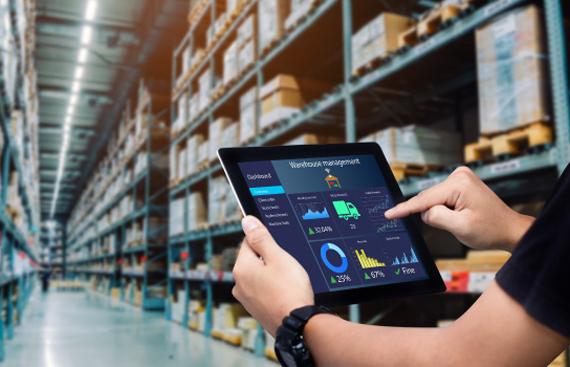
The retail sector is going through a tremendous change. Modern technologies are revolutionizing how merchants run businesses, interact with customers, and streamline operations. Automating warehouses and supply chain management to personalized suggestions and online shopping, ML and AI are also driving innovations in augmented reality (AR) and virtual reality (VR), reshaping the way customers shop. AR and VR technologies create immersive and interactive in-store and online shopping experiences. For instance, customers can use AR apps on their smart phones to virtually try on clothes, accessories, or makeup before purchasing. It enhances the shopping experience and reduces returns, as customers can better understand how the products will look on them. VR also creates virtual stores where customers can navigate a virtual environment, interact with products, and make purchases. These technologies are changing how customers shop and creating new job opportunities in areas such as AR/VR development, content creation, and user experience design.
Impact of integration of AI and ML in Fashion and Retail Industry
Automating repetitive labour is one of the main effects of ML and AI on the retail sector. Today, ML and AI algorithms can automate repetitive and time-consuming operations, including ordering processing, pricing, and inventory management. This improved operational effectiveness and enabled retail organizations to reassign human resources to more strategic and client-focused positions. Retail staff, for instance, may now rely on AI-powered systems to precisely manage inventory levels, watch sales data, and predict demand patterns rather than spending hours manually updating inventory records. It allows companies to manage their supply chains and make data-driven decisions, lower costs, and boost customer satisfaction.
Using data analytics to gather insights and make knowledgeable decisions significantly impacts ML and AI in the retail sector. Retailers now have access to a wealth of customer data, including buying trends, tastes, and behaviours. ML algorithms can evaluate this data to find trends, patterns, and correlations. For instance, using consumer data analysis, ML algorithms may choose the best price for a product based on aspects like demand, competition, and customer preferences. It improves client loyalty and retention in addition to increasing consumer happiness.
Here are some aspects of how ML and AI are influencing the retail sector:
Personalized Shopping Experience: ML and AI enable retailers to offer their customers personalized shopping experiences. By analyzing vast amounts of data, including customer browsing behaviour, purchase history, and preferences, ML algorithms can generate personalized product recommendations, tailored promotions, and customized offers, enhancing customer engagement and loyalty.
Trend Forecasting: The fashion industry has experienced a revolution in trend prediction because of AI and ML technologies. ML algorithms may effectively forecast fashion trends by evaluating data from social media, fashion blogs, runway shows, and sales data, assisting retailers and designers in making decisions regarding product assortments, design decisions, and marketing strategies.
Chatbots and Virtual Assistants: In the retail industry, they are revolutionizing customer service. Chat bots may respond to consumer questions, provide product recommendations, and give help around the clock, cutting down on costs and raising customer happiness. AI-powered virtual assistants may share tailored shopping experiences, styling suggestions, and help with product searches, giving customers a seamless and practical shopping experience.
Enhanced Visual Merchandising: ML algorithms may offer insights on store layout, product placement, and visual displays by examining in-store consumer behaviour, foot traffic patterns, and product interaction data. This can help retailers optimise their store layouts to boost customer enthusiasm and increase sales.
Supply Chain Optimization: We are optimizing supply chain operations in retail. ML algorithms can analyze data from various sources, such as shipping data, weather data, and demand forecasts, to optimize supply chain logistics, route optimization, and inventory allocation, resulting in improved efficiency, cost savings, and faster order fulfilment.
Will the future retail industry use more AI and ML?
As technology advances, AI and ML play a significant role in reshaping the retail landscape. With the ability to analyze vast amounts of data and make data-driven decisions, these technologies enable retailers to enhance the customer experience, optimize supply chain operations, improve customer service, detect fraud, enable visual search and augmented reality experiences, optimize pricing, and facilitate data-driven decision-making.
The potential of AI and ML in the retail industry is immense. Personalized shopping experiences, optimized supply chain operations, enhanced customer service, and data-driven decision-making are just a few examples of how these technologies revolutionize retailers' businesses. As we look toward the future, it is clear that AI and ML will continue to gain traction in the retail industry, driving innovation and reshaping how retailers interact with customers, manage operations, and make strategic decisions.
Final Note
Retailers increasingly use ML and AI algorithms to analyze vast amounts of data, such as customer preferences, behaviours, and purchase history, to provide personalized recommendations, offers, and promotions. It enhances customer satisfaction and helps retailers optimize inventory management, pricing, and supply chain operations. Overall, the future of work in the retail industry is likely shaped by continued advancements in ML and AI technologies, creating new opportunities and challenges for retailers, employees, and consumers alike.
Read More News :
'Huge delta of opportunities in India': Piyush Goyal at India-France business summit
Securonix Partners with ValuePoint Systems to Expand its Cloud-Native SIEM Offerings in India