

Enriching Facts About Essential Oils
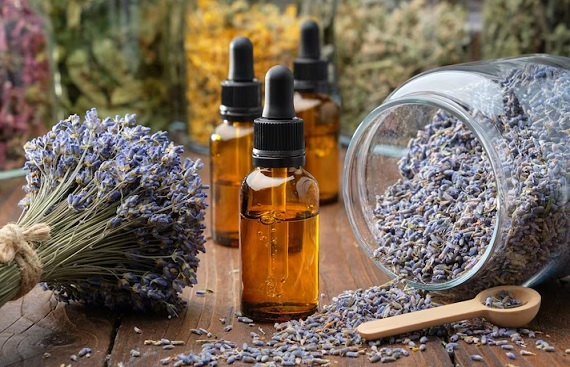
Essential oils have been cherished for centuries, and their numerous benefits continue to captivate people today. These concentrated extracts are derived from various plants, and they offer a huge variety of advantages that span from emotional well-being and physical health to skincare and more. In this comprehensive guide, let’s delve into the enriching world of essential oils and also we'll discuss the significance of organic essential oils, practical uses in daily life, and safe utilization for enhanced wellness.
What Are Essential Oils?
Essential oils, extracted through methods like steam distillation and cold pressing, capture plants' essence, aroma, and therapeutic properties. These concentrated compounds are renowned for their versatility in holistic wellness. Many civilizations have used essential oils for thousands of years in religious ceremonies, healing procedures, and the production of fragrances, including those in Egypt, Greece, and China. This age-old wisdom continues to shape their enduring popularity, making essential oils a timeless and valuable component of modern well-being and bridging the gap between ancient practices and contemporary holistic approaches.
What Makes an Essential Oil Organic?
Organic essential oils are derived from plants cultivated in an eco-conscious manner. These plants are nurtured without synthetic pesticides, herbicides, or genetic modification. Instead, they thrive through natural, sustainable farming methods, resulting in untainted and environmentally responsible essential oils. Choosing organic ensures a product free from chemical residues, aligning with a commitment to purity and ecological well-being.
The Benefits of Essential Oils
- Aromatherapy and Emotional Well-being: One of the most well-known uses of essential oils is in aromatherapy, a practice that harnesses the power of scent to influence emotions and mood. Certain essential oils, like lavender and chamomile, are renowned for their calming and stress-relieving properties, while others, such as citrus oils, can uplift and energize the spirit.
- Physical Health Benefits: Essential oils also offer a wide range of physical health benefits. They can aid in respiratory health (e.g., eucalyptus for congestion), support the immune system (e.g., tea tree for its antimicrobial properties), and alleviate various discomforts, such as headaches and muscle tension.
- Skin and Hair Care: Many essential oils are incorporated into skincare and hair care products due to their rejuvenating properties. They can help with issues like acne, dry skin, and dandruff. Some, like frankincense and rosemary, possess anti-aging and skin-repairing qualities.
Types of Essential Oils
Essential oils are diverse and come in various categories based on their botanical source and distinct aroma profiles. Each category offers a unique set of characteristics and uses, making them versatile tools in aromatherapy and holistic wellness. Here are some of the primary types of essential oils:
Citrus Oils:
- Lemon: Known for its invigorating and refreshing scent, lemon oil is often used to uplift moods and boost mental clarity.
- Orange: With its sweet and fruity aroma, orange oil is prized for its ability to reduce anxiety and promote a sense of happiness. It can also be used as a natural air freshener.
- Bergamot: This oil has a citrusy, floral scent and is frequently used in aromatherapy to alleviate stress and anxiety. It's also known for its skin-soothing properties.
Floral Oils:
- Lavender: Lavender oil is renowned for its calming and soothing properties. It's often used to promote relaxation, improve sleep quality, and ease tension. It's a staple in many skincare products.
- Rose: The rich, floral aroma of rose oil is associated with love and romance. It's used for emotional balance, self-esteem, and as an aphrodisiac.
- Jasmine: With its sweet and exotic scent, jasmine oil is used to enhance mood, reduce stress, and promote feelings of confidence and optimism.
Woody and Earthy Oils:
- Sandalwood: Sandalwood oil has a warm, woody fragrance and is revered for its grounding and meditative qualities. It's often used in spiritual and mindfulness practices.
- Cedarwood: This oil has a woodsy, earthy scent and is known for its calming effects. It's used to support relaxation and improve focus.
- Patchouli: Patchouli oil has a distinct, earthy aroma and is used for its grounding and balancing properties. It's also a common ingredient in perfumes.
Herbal Oils:
- Peppermint: Peppermint oil has a refreshing and invigorating scent. It's popular for its ability to relieve headaches, improve focus, and soothe digestive discomfort.
- Rosemary: Known for its herbaceous fragrance, rosemary oil is used to enhance memory, increase mental alertness, and promote clarity of thought.
- Basil: Basil oil has a sweet, herbaceous aroma and is used for its uplifting and energizing properties. It can also help alleviate stress.
Spice Oils:
- Cinnamon: Cinnamon oil has a warm, spicy scent and is often used to create a cozy atmosphere. It's also believed to have immune-boosting properties.
- Ginger: Ginger oil has a spicy and earthy aroma. It's known for its ability to ease nausea, improve circulation, and soothe sore muscles.
- Cardamom: With its sweet and spicy scent, cardamom oil is used to promote mental clarity, relieve stress, and support digestive health.
- These are just a few examples of the wide variety of essential oils available. Each type of oil carries its own unique fragrance and therapeutic benefits, making them a valuable addition to aromatherapy practices and natural health remedies.
How to Use Essential Oils Safely
Using essential oils safely is paramount to reap their benefits without any adverse effects. Always dilute essential oils with carrier oil before applying to the skin, follow recommended dilution ratios, and perform a patch test to check for allergies. Never ingest undiluted oils and keep them out of reach of children. Consult with a qualified aromatherapist or healthcare provider for guidance on specific oils and conditions.
Exploring Exceptional Brands
In today's world, where well-being and sustainability are paramount, there are some remarkable brands that have carved out distinctive niches in the realm of natural and organic products.
- Organix Mantra specializes in natural and organic therapeutic-grade essential oils, sourced ethically worldwide, crafted meticulously in small batches for purity, and free from harmful chemicals. Committed to cruelty-free and environmentally conscious practices, they offer nourishing solutions for skin, hair, and well-being while minimizing their environmental footprint.
- Exotic Aromas specializes in herbal and therapeutic essential oils, including 100% natural, vegan, GMO-free options like lavender, lemongrass, jasmine, orange, and rose. Versatile oils cater to personal care needs and ambiance enhancement.
- Soulflower dedicated to natural, organic, and sustainable personal care with a central focus on essential oils. Committed to products free from harmful chemicals, sustainable practices, support for local farmers, and promoting holistic well-being.
- Organic Harvest specializes in Tea Tree Essential Oils for aromatherapy and skincare, USDA-certified organic, free from parabens, sulphates, and silicones. Enriched with natural antibacterial properties, ideal for soothing skin irritations and promoting relaxation and focus.
Finally, we noticed that the Essential oils are more than just pleasant fragrances they are versatile tools for enhancing well-being, promoting relaxation, and supporting overall health. By understanding their types, benefits, and safe usage, you can harness the enriching power of essential oils in your life.


