

All About Cold Pressed Oils
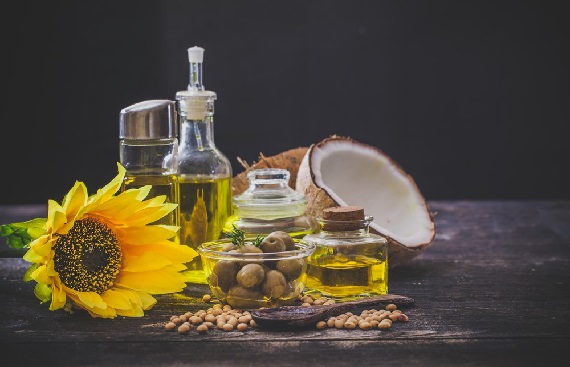
Cold Pressed oils are obtained by extracting oil from seeds, nuts, or fruits without the use of heat or chemical solvents. This gentle process preserves the oil's natural flavors, aromas, and nutritional properties. They have higher levels of essential fatty acids, vitamins, minerals, and antioxidants compared to oils extracted with heat. Popular cold pressed oils include extra virgin olive oil, coconut oil, almond oil, avocado oil, and flaxseed oil. They are used in cooking, dressings, and skincare products. They must be eaten in moderation as part of a healthy diet, and you should consult professionals for personalized advice. Let us explore the concept of cold pressed oils, their numerous benefits, and how they can be used in Indian cooking.
The Versatility of Cold Pressed Oils in Indian Cooking
In traditional Indian cooking, ghee, mustard oil, and coconut oil have long been staples. However, with the increasing focus on healthy eating, there has been a shift towards incorporating these oils into Indian cooking practices. The inherent flavors, fragrances, and nutritional qualities of cold-pressed oils are preserved because they are extracted without the use of heat or chemical solvents.
Coconut Oil: A functional option for Indian cooking is coconut oil. It can tolerate high temperatures without losing its nutritional properties, making it suitable for deep frying, stir-frying, and sauteing. It contains medium-chain triglycerides (MCTs), which promote heart health and possess antimicrobial properties.
Groundnut Oil: Groundnut oil, also known as peanut oil, is a popular choice in Indian cuisine. It is rich in fats that are mono and poly, as well as vitamins A, D, and E. Groundnut oil can help reduce LDL cholesterol levels and is suitable for high-temperature cooking methods.
Mustard Oil: Mustard oil contains polyunsaturated and monounsaturated fats, along with omega-3 and omega-6 fatty acids. It has a high smoke point, making it suitable for various cooking methods, including deep frying, sauteing, and tempering. Mustard oil is commonly used in Eastern Indian cuisine for both cooking and raw consumption.
Hemp Seed Oil: Iron, calcium, magnesium, vitamin A, and vitamin E are among the many nutrients found in hemp seed oil. It has an excellent balance of omega-6 and omega-9 fatty acids and is high in omega-3 fatty acids. While it should not be used for cooking due to its low smoke point, it can be added to salad dressings, dips, or smoothies to enhance their nutritional profile.
Sesame Oil: Sesame oil is commonly used in Indian and oriental cooking. It contributes to bone health, reduces inflammation, and provides heart-healthy nutrients. It can be used in desserts, stir-fried dishes, meat dishes, salads, and steaks to add a unique flavor and aroma.
Olive Oil: It is a good option for cooking fish and lean meats, frying vegetables, preparing pasta, and other continental specialties. Its rich antioxidant content, high vitamin E content, and anticancer properties make it an excellent option. However, it is best used for no-heat recipes or mild
The Health Benefits of Cold Pressed Oils
Cold-pressed oils offer a range of benefits due to their unique extraction process and high nutrient content. Here are some of the key advantages of incorporating cold-pressed oils into your diet:
- Heart Health: Many oils, such as extra virgin olive oil, flaxseed oil, and avocado oil, are rich in heart-healthy monounsaturated and polyunsaturated fats. These fats can help reduce inflammation, cholesterol levels, and the risk of heart disease.
- Skin and Hair Care: Due to their nourishing qualities, cold-pressed oils are frequently used in skincare and hair care products. Oils like almond oil, argan oil, and jojoba oil moisturize the skin, promote a youthful complexion, and strengthen hair strands. They are rich in vitamins, antioxidants, and fatty acids that support healthy skin and hair.
- Antioxidant Powerhouse: Antioxidants are found in this oil which helps the body to fight off free radicals and oxidative stress. These antioxidants, such as vitamin E and phenolic compounds, protect cells from damage, reduce the risk of chronic diseases, and promote overall well-being.
- Flavor and Aroma: The various flavors and fragrances of cold-pressed oils can improve the flavor of your food. Both professional chefs and home cooks favor them because they give your food depth and complexity.
- Versatility: Cold pressed oils can be used in various ways, including cooking, salad dressings, marinades, and dips. They can also be drizzled over finished dishes or incorporated into smoothies and baked goods, providing a versatile and nutritious addition to your culinary creations.
- Retained Nutritional Value: Cold pressed oils preserve the natural goodness of the seeds, nuts, or fruits they are derived from. They retain a higher concentration of essential fatty acids, vitamins, minerals, and antioxidants compared to oils extracted using heat or chemicals. This means you can enjoy the maximum nutritional benefits from the oil.
- Anti-Inflammatory Properties: Certain cold pressed oils, like coconut oil and hemp seed oil, possess natural anti-inflammatory properties. Regular consumption of these oils may help alleviate inflammation in the body, which is associated with various chronic conditions, including arthritis and cardiovascular diseases.
When using cold pressed oils, it's essential to choose high-quality, organic options and store them properly to maintain their freshness and nutrient content. Incorporating these oils into a well-balanced diet can contribute to your overall health and well-being.
Summing up
Cold pressed oils have gained popularity as a healthier alternative in Indian cooking, thanks to their numerous benefits and retained nutritional value. Incorporating oils like cold-pressed coconut oil, groundnut oil, or mustard oil into your cooking can contribute to heart health, overall well-being, and flavor enhancement. Remember to use these oils in moderation and choose the appropriate oil for specific cooking methods to maximize their benefits. With the rise of cold-pressed oils, Indian cuisine continues to evolve toward a healthier and more nutritious culinary experience.


