
 Magazine :
Budget 2025: Govt Set to Beat Fiscal Target, FY26 Challenges Ahead
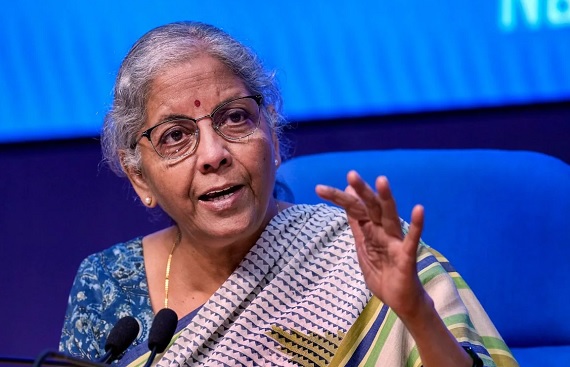
As India gets ready for Budget 2025, HSBC believes that the government would close FY25 with a fiscal deficit of 4.8% of GDP, better than the budgeted estimate of 4.9%. A downturn in capex, primarily on account of delayed project approvals in election years, is the driving force behind this improvement. However, HSBC cautions that the fiscal consolidation road in FY26 will be a much sterner test as the government seeks to bring the deficit below 4.5% of GDP.
The fiscal path for FY26 is going to be a pretty complex one and HSBC sees several challenges that lie ahead. Revenue growth slower than expected, a soft economy, and an imperative to reconcile fiscal consolidation with necessary public expenditure will put fiscal management skills under a severe test. While tax revenues are likely to remain steady, non-tax revenue sources-including disinvestment proceeds and capital gains tax-are running below expectations. A weak equity market has depressed capital gains tax receipts, which is likely to be the trend going into FY26 and will constrain the government's ability to increase spending without sacrificing fiscal balance.
The government's difficult task will be managing current expenditure, which is likely to outstrip budgeted allocations on account of rising subsidy costs, especially in fertilisers and food. Given the politically sensitive nature of subsidy cuts in a low-growth environment, trimming these costs will call for sensitive deliberation. HSBC estimates that the government will need to bring down non-subsidy, non-interest spending by 0.3% of GDP-an Everest-climbing target in view of the swelling number of centrally sponsored schemes.
Despite these pressures, FY26 capex is expected to see a revival. With elections behind, the government is likely to prioritise infrastructure development, focusing on improved coordination between central and state governments. HSBC forecasts a 13% year-on-year increase in infrastructure spending, amounting to around INR 11 trillion. However, this boost in capex will not be sufficient to offset the strain from elevated current expenditures. Stringent expenditure controls and cuts in non-essential spending will be critical for achieving the FY26 fiscal deficit target of 4.5%.
Monetary policy is expected to play a complementary role in supporting growth. HSBC expects the Reserve Bank of India (RBI) to ease monetary policy as inflation moderates and economic growth slows. A potential 50 basis points repo rate cut in the first half of 2025 could provide a cushion for the economy as fiscal support remains constrained.
While the government is likely to overshoot fiscal deficit expectations for FY25, the road ahead is going to be bumpy. The FY26 budget will demand a fine balancing act between fiscal consolidation and investment in critical sectors such as infrastructure. The key question remains whether the government can manage current expenditures effectively without jeopardizing economic recovery or social welfare.
As the February 1 budget approaches, policymakers will have to navigate these fiscal pressures while laying the groundwork for sustainable growth and long-term fiscal health.
Read More News :
Budget 2025: Railways Allocation Likely to Hit Rs 3 Lakh Crore Mark


.jpg "Top Companies of the Year")