
 Magazine :
A Comprehensive Guide to Insuring Vintage Motorcycles
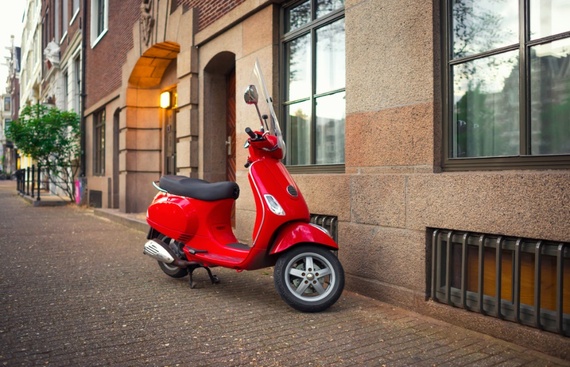
You’ve finally achieved it! After years of dreaming, saving, and searching, you now own a cult classic two-wheeler with sleek curves and an iconic design. As you prepare to turn heads on the road with your vintage bike, you may start to wonder: is a standard bike insurance policy enough, or do you need something more specialised? Fortunately, insurers today offer customised vintage two-wheeler insurance specifically tailored to protect these classic gems.
Types of Insurance for Vintage Bikes
If you own a vintage bike, you can choose from the following types of insurance:
1. Third-Party Liability Cover
This policy is a legal requirement under the guidelines of the Insurance Regulatory and Development Authority of India (IRDAI). It provides compensation if your vintage bike causes injury to a pedestrian or another motorist or results in property damage to a third party. However, it does not cover any damages to your own bike.
2. Comprehensive Insurance
A comprehensive bike insurance policy offers broader protection, covering both third-party liabilities and damages to your own vehicle. This includes coverage against risks such as fire, theft, natural disasters, vandalism, riots, and even acts of terrorism.
For vintage bikes, comprehensive bike insurance is highly recommended over a basic third-party cover, as these vehicles often require unique care and repairs that standard policies may not adequately address.
Tips for Insuring Your Vintage Bike
Before purchasing a two-wheeler insurance policy for your vintage bike, consider the following:
1. Review Policy Exclusions
Vintage bikes have unique requirements, so it’s vital to understand the exclusions in your insurance policy. Common exclusions include:
- Natural wear and tear of parts such as tyres, brakes, or the engine. Maintenance is your responsibility.
- Damages caused while riding under the influence of alcohol or drugs.
- Use of the bike for illegal activities, such as racing or unauthorised commercial purposes.
- Accidents occurring outside the geographical limits specified in the policy.
- Theft claims that are not accompanied by a filed First Information Report (FIR).
2. Understand Insured Declared Value (IDV)
The Insured Declared Value is the maximum amount the insurer will pay in case of total loss or theft of the bike. For vintage bikes, ensuring the IDV is accurate is essential.
- If the IDV is set too low, you’ll face higher out-of-pocket costs during claims.
- If the IDV is set too high, you’ll overpay on premiums unnecessarily.
For instance, a bike that initially cost ₹1,00,000 but is now 10 years old may have an IDV of ₹30,000 due to depreciation. Confirm that this valuation aligns with the current market worth of your bike.
3. Assess Deductibles
A deductible is the portion of the claim amount you agree to pay before the insurer covers the rest. Deductibles can be:
- Compulsory: Set by the insurer.
- Voluntary: Chosen by the policyholder to reduce the premium.
If your vintage bike spends more time in the garage than on the road, increasing the voluntary deductible can help lower your premium. However, remember this will also increase your out-of-pocket expenses in case of a claim.
4. Understand the Claim Process
There are two primary ways to file a claim:
- Reimbursement Claims: You pay for repairs upfront and then submit the bills to the insurer for reimbursement after verification.
- Cashless Claims: Repairs are carried out at a network garage, and the insurer settles the bill directly with the service provider. You only pay the deductible upfront.
Why Insuring Your Vintage Bike Is Important?
Insuring your vintage bike is essential for two key reasons:
- High Repair Costs: Vintage bikes often require rare, hard-to-find parts and skilled labour for repairs. Two-wheeler insurance helps cover these significant expenses.
- Appreciating Value: Unlike standard vehicles, many vintage motorcycles increase in value over time. Specialised policies offer agreed-value coverage to reflect this appreciation.
Conclusion
Ensuring your classic bike is protected with the right two-wheeler insurance policy not only safeguards it financially but also helps preserve its legacy. With tailored comprehensive bike insurance, you can ride confidently, knowing your prized possession is covered against unforeseen risks.
Ride safely, and let your vintage beauty captivate admirers on the road without a worry!


.jpg "Top Companies of the Year")