
 Magazine :
5 Ways to Improve CIBIL Score
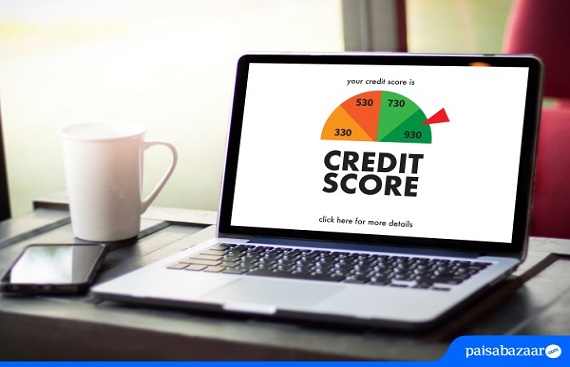
When you apply for a loan or a credit card, the first and the most important factor that lenders consider is your CIBIL Score. It is generated by TransUnion CIBIL, which is one of four major credit bureaus in India. CIBIL score ranges from 300 to 900 and is based on multiple factors including your credit history, repayment pattern, defaults, credit utilisation ratio, etc. CIBIL Score above 700 is usually considered good. A good score not only helps you get easy approval for loans and credit cards but may also allow you to negotiate with lenders and avail credit at favourable terms. However, if you do not have an ideal score, here are a few ways how you can improve your CIBIL Score.
Pay All Your Dues on Time
Credit bureaus give the highest weightage to your payment history while calculating your credit score. Delayed or missed payments negatively impact your score and make it difficult for you to avail credit in future. If you have a poor score, it is advised to clear your outstanding dues at the earliest. If you have outstanding balance on multiple credit cards, you can consider taking a personal loan to consolidate them and pay off. Similarly, you should try to be disciplined with your loan EMIs. If you frequently miss credit card due dates, you should set up auto-pay for the same.
Avoid Maxing Out Your Credit Cards
Another important factor that impacts your credit score is the Credit Utilisation Ratio (CUR). It is the ratio of the credit you use to the total credit available for your use.The lower your credit utilization ratio the better it is. If you exhaust the entire credit limit available to you, it shows poor management of credit and that you are a credit hungry borrower. This negatively impacts your CIBIL score. This is why it is important to maintain a healthy CUR. If the credit limit on your cards is not sufficient, you can consider getting a new credit card or a limit increase on your existing cards. This could be helpful in reducing your CUR and might gradually improve your credit score.
Suggested Read: Why CIBIL And Credit Score Are Important?
Avoid Taking Multiple Loans Simultaneously
Every time you apply for a new credit line, a hard inquiry is initiated on your credit profile which leads to a temporary dip in your CIBIL score. Applying for multiple loans or credit cards within a short period will lead to multiple hard enquiries which may have considerable impact on your CIBIL Score. Moreover, taking several loans at the same time also makes you look credit-hungry. If you have taken a loan or a credit card, you should wait for a few months before applying for a new one.
Create a Diverse Credit Mix
Over time, credit bureaus want to see how you have managed different types of credit accounts. A balanced mix of credit including secured and unsecured loans like credit cards, personal loans, home loan, etc. would possibly give you a better score than having just credit cards or a just a home loan.
The length of your credit history also has considerable impact on your CIBIL score. Hence, it is advised not to close your old credit accounts,rather maintain them. It will not only lengthen your credit history but also increase your total available credit which, in turn, would also lower your credit utilisation ratio.
Review CIBIL Credit Report
You should regularly review your credit history to make sure there are no inconsistencies that may be affecting our CIBIL score negatively. There may be some mistakes related to your record update, delay in documenting details, or capturing wrong information in your CIBIL report. If such errors come to your notice, you should get them rectified immediately so that your score does not dip.
It may take you a few months or even a year to see visible improvements depending on your current CIBIL report. The key is to be disciplined and organised when it comes to your finances in order to build a good credit history. Once you reach a good CIBIL score, it is important to stay disciplined and maintain that score. A good CIBIL Score improves your chances of approval for loans and credit cards along with giving you some leverage to negotiate the terms with lenders.
Read More News :
RBI's 25 bps rate hike to increase home loan EMI
JPMorgan to recruit more than 500 limited bankers over 2 years