
 Magazine :
2022's bequest for the world of next-generation technology

Over the past two years, the world, as we know, has witnessed a significant change. With advancements and the introduction of next-gen technology, businesses have undergone a transformation ranging from faster digitalization to virtualization of operations.
The evolving world is thriving in this new wave of digitalization, agility, and breakthroughs, whether it be the rise in e-commerce shopping or accessing healthcare online. However, the need for sustainability, ever-increasing data volumes, and increasing compute and network speeds will enhance their status as the most important drivers of digital transformation.
The year made the people to experience the virtualization of their offices or workplaces, as remote working arrangements were swiftly put in place. Blockchain technology, distributed ledgers, and non-fungible tokens (NFTs) are transforming the world. Over the past two decades, in advanced economies, responsibility has generally shifted from institutions to individuals. Yet health systems are being tested and often found wanting, while benefits from paid sick leave to universal basic income are getting a second look.
There is potential for a long-term shift in how institutions support people, through safety nets and a more inclusive social contract. As history has shown, choices made during crises can shape the world for decades to come. The future waves won't be translate into "waves or death", instead it would be equipped with innovative and effective solutions.
With this shift in advancement of technologies, few Industry Leaders have shared their insights on how they find 2022 as the next step forward for various industries.
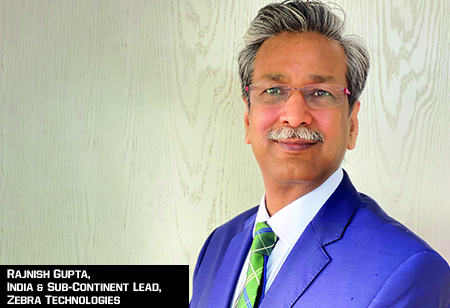
“In the past year Indian enterprises have continued to strategically invest in digitalization of supply chain. Their focus has been to address first/last mile visibility and accuracy, optimizing shipping costs via better delivery route planning and fleet management, and improving customer satisfaction for better fill rates and a more efficient returns management process.
As customers return to a more physical retail environment, true omni-channel will be a priority making workflow automation a focus for enterprises in 2023. Workflow automation solutions are critical in augmenting the workforce that includes identifying and assigning tasks, tracking status, and even prompt action when deadlines are approaching. With the right automation technology like barcode and RFID, enterprises will be further enabled with greater visibility over their inventory.
Government initiatives like the ‘Make in India’ program has already set the course to make India a global manufacturing hub and boost the Indian economy. To accomplish this vision, automation in supply-chain, warehouse operations will be key to counter disruptions and make industries more agile and future ready”.
