
 Magazine :
10 Tips For RRB Group D Exam Preparation Tips
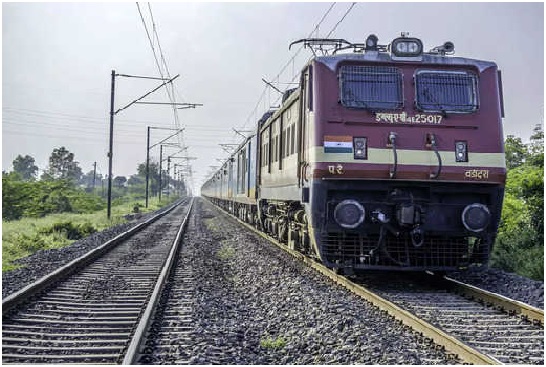
Railway Recruitment Board (RRB) is an organization of the Indian Railway that is responsible for recruiting and managing staff for the Indian Railways. It was established in 1998 and is headquartered in New Delhi.
The RRB is divided into 21 zones and every zone is further divided into divisions. Each zone has its own recruitment board and is responsible for conducting the recruitment process for the various posts in the Indian Railways. The RRB is managed by the Railway Board, which is an apex body of the Indian Railways.
RRB Group D is a popular recruitment process conducted by the RRB to fill up various vacancies for Group D posts in the Railways. Group D posts include posts like Track Maintainer, Co-operative Clerk, Helper, Porter, etc.
The selection process for RRB Group D posts is divided into two stages - Computer Based Test (CBT) and Physical Efficiency Test (PET). The CBT is conducted first to determine the eligibility of the candidates and the PET is conducted to check the physical fitness of the candidates.
10 Tips For RRB Group D Preparation Tips
- Understand the exam pattern and syllabus thoroughly.
- Make a proper study plan with a timeline and divide the syllabus into days and weeks.
- Prepare short notes while studying to recall the facts quickly.
- Solve mock tests and past years' question papers to get an idea of the level of difficulty of questions.
- Revise the topics regularly.
- Focus on accuracy and time management while solving the questions.
- Work on improving your weak areas.
- Study current affairs and GK related to the railway sector.
- Make sure you are physically and mentally fit to appear for the exam.
- Take proper rest and avoid the last-minute rush.
Tip #1. Understand the exam pattern and syllabus thoroughly: It is important to understand the exam pattern and syllabus thoroughly so that you can plan your preparation accordingly. This will help you to identify the topics which you need to focus on and the ones which you can skip.
Tip #2. Make a proper study plan with a timeline and divide the syllabus into days and weeks: It is important to make a proper study plan with a timeline and divide the syllabus into days and weeks so that you can manage your time efficiently. This will also help you to keep track of your progress and identify any weak areas.
Tip #3. Prepare short notes while studying to recall the facts quickly: Preparing short notes while studying will help you to recall the facts quickly during the exam. This will also help you to revise the topics quickly.
Tip #4. Solve mock tests and past years' question papers to get an idea of the level of difficulty of questions: Solving mock tests and past years' question papers will help you to get an idea of the level of difficulty of questions. This will also help you to manage your time efficiently during the exam.
Tip #5. Revise the topics regularly: It is important to revise the topics regularly so that you can retain the information for a longer period of time.
Tip #6. Focus on accuracy and time management while solving the questions: It is important to focus on accuracy and time management while solving the questions. This will help you to maximize your score.
Tip #7. Work on improving your weak areas: It is important to identify your weak areas and work on improving them. This will help you to score better on the exam.
Tip #8. Study current affairs and GK related to the railway sector: It is important to study current affairs and GK related to the railway sector. This will help you to answer the questions related to this topic accurately.
Tip #9. Make sure you are physically and mentally fit to appear for the exam: It is important to make sure you are physically and mentally fit to appear for the exam. This will help you to give your best performance in the exam.
Tip #10. Take proper rest and avoid last-minute rush: It is important to take proper rest and avoid last-minute rush so that you can give your best performance in the exam.
Read More News :
India has 350 mn online transacting users, ready to grow 2X by 2030