
 Processing .....please wait..
  The article has been forwarded....
Organ Trafficking on Rise Worldwide
By siliconindia
|
Wednesday, 14 December 2011, 02:33 IST


Egypt was politically disturbed this year. Due to which the law enforcement remained quite deficient. This loophole became an advantage for the organ traffickers. COFS, which is a non-profit international health and human rights organization, stated in its study that this organ smuggling is mostly flourishing here and effecting thousands of African refugees in the country. The report entitled “Sudanese Victims of Organ Trafficking in Egypt” includes many testimonies of the suffered victims.
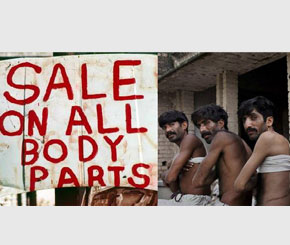 COSF’s researchers say, “Abuses include removing kidneys either by inducing consent, coercion or outright theft. In some cases, sex trafficking was associated with incidents of organ removal, the victims include men, women and children.” Many of Sudanese as well as others from Jordan, Eritrea, Ethiopia, Somalia, Iraq and Syria are among the mostly affected. But among Egypt ranks the highest.
Dr. Delmonico, who is also a professor of surgery at Harvard Medical School says, “There have been successes fighting organ trafficking around the world, but organ trafficking continues to flourish because criminal gangs exploit shortages of organ donors.” He has spent six years lobbying governments and doctors around the world to fight against the organ smuggling. He said Israel is the most involved in the racket.
The study also projected that most of the organs sold serves the purpose of life for the Israelites, who faces minor shortage or organs, though they have sound medical system and also well-educated. The Israeli National Transplant centre states that 12 percent of the Israelites are willful donors, i.e. they have consented that their organs can be used after their death. But despite the knowing the international black market, the Israel government is unable to stop the organ trafficking. The legislative body or Israel passed the Organ Transplant Law in 2008, setting the penalties, including imprisonment of up to three years, for buying and selling organs and requiring hospitals insures from paying for most transplants outside Israel.
In India, trade in human organs are banned, but still many continue to sell their kidneys to wealthy clients, including foreign visitors, who are in urgent need of kidney transplant and are also willing to pay large sums for it. The unbalanced system of too many people in need of organ transplants and high levels of poverty worldwide have contributed to create a situation that leaves many desperate people willing to do anything to sell or receive illegal organs.