
 Processing .....please wait..
  The article has been forwarded....
Vice President Harris Advocates for Indian American Political Engagement
By siliconindia
|
Monday, 20 May 2024, 21:49 IST


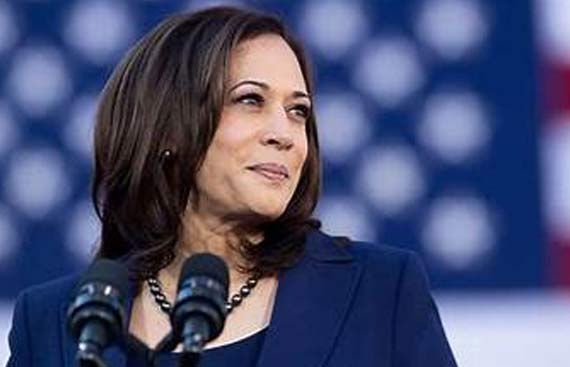
Vice President Kamala Harris emphasized the disparity between Indian Americans' population size and representation in elected positions, urging increased government representation to empower them in shaping policies.
In her recent address to a gathering of Indian Americans, Vice President Kamala Harris underscored the significance of South Asians participating in political leadership, highlighting a notable disparity between their population size and representation in elected positions across the United States. According to data from the 2020 U.S. Census, Indian Americans now constitute the most considerable "Asian-alone" demographic in the nation, surpassing Chinese Americans as of September. This demographic shift reflects a notable increase, with 4.4 million individuals identifying as "Indian-alone," marking a substantial 55 percent growth over the past decade.
Despite these numbers, there are currently only five Indian American members of Congress out of 535. Vice President Harris addressed this issue during her remarks at the nonprofit organization Indian American Impact’s annual summit, "Desis Decide," held in Washington, D.C.
Harris acknowledged that Indian Americans had participated more actively in the electoral process, with more individuals running for office. She noted, however, that the representation still needs to mirror the size of their growing population.
She urged the audience to engage actively in any capacity possible, emphasizing the significance of the upcoming election to their community. With 68 percent of Indian Americans leaning toward the Democratic Party, they stand out as one of the most progressive Asian American groups.
Political experts emphasize the importance of Indian Americans in this election cycle, noting their potential as the deciding vote in several regions where they have a significant presence. Despite Vice President Harris's outreach to South Asians during the event, there's a sense of critical assessment within the community towards her and President Joe Biden, reflecting a range of mixed sentiments.
Despite the underrepresentation of Indian Americans in government, Harris reassured them of forthcoming changes, using herself as an example. She conveyed that many attendees would encounter situations where they would be the only representative of their background and experiences. Further, it encouraged them to remember that they were not alone and emphasized the importance of collective efforts based on belief in America's promise to advance progress. She indicated that her experience was tangible evidence of America's potential and promise.
In her remarks, Harris reiterated the transformative power of electoral participation in shaping the nation's future, urging individuals to consider the kind of world and country they envision. She acknowledged the prevailing underrepresentation of Indian Americans in government, recognizing the need for change and assuring the audience that their concerns are understood and addressed.
Harris's call for increased Indian American representation in government highlights a pressing need for greater diversity and inclusion in political leadership. Recognizing the community's growing demographic significance, she emphasizes ensuring their voices are heard and perspectives represented at all levels of governance. By advocating for broader participation in the political process, Harris seeks to empower Indian Americans to shape policies and decisions that directly impact their lives and communities. This plea for increased representation underscores a commitment to fostering a more inclusive and equitable democracy that reflects the rich diversity of the American populace.