TikTok India CEO Nikhil Gandhi Resigns Nearly a Year after the App was Banned
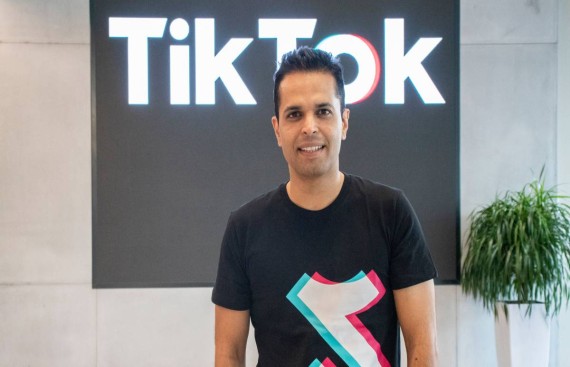
Nikhil Gandhi, the CEO of TikTok India, who was recently redesignated as the company's head for the Middle East, Africa, Turkey, and South Asia, has resigned almost a year after the Indian government shut down the company's operations in India, citing sovereignty and national security concerns.
The Ministry of Electronics and Information Technology blocked TikTok, along with a slew of other Chinese applications in India on June 29, 2020, and the ban was made permanent in January 2021.
Gandhi is currently evaluating options with some leading Indian startups looking to scale up operations, particularly with an AI and machine learning portion, according to sources. Gandhi was also leading efforts to sell TikTok's India company in the past few months.
“Nikhil played an instrumental role in popularising Tiktok in India. Under his leadership, the app revolutionised content creation in India
by creating a brand new ecosystem for content creators that offered equal opportunity to people from all strata of society to showcase their talent. Tiktoker actually became a word in the Indian lexicon,” said an ex Tiktok senior official.
By the third quarter of 2019, TikTok had started producing Rs 20-25 crore in ads under Gandhi's leadership.
The outgoing CEO was also instrumental in introducing Bollywood stars such as Deepika Padukone and Jacqueline Fernandes to the iconic website.
According to industry estimates, TikTok's revenue in FY 19-20 would have been between Rs 200 and Rs 250 crore.
Zhang Yiming, the founder of ByteDance, and Kevin Mayers, the ex-CEO of TikTok, had recruited Gandhi to carry out their mega plans for India—a $1 billion investment over three years—before the company was forced to shut down.
The Chinese app had more than 200 million users in India at the time it was shut down.
Employees from TikTok in sales and marketing had resigned, and Gandhi and some members of the technology team had been assigned to the cluster that oversees the Middle East and North Africa (MENA), Gulf Cooperation Council (GCC), and Turkey regions.
Just before it shut down, TikTok had begun to pose a serious threat to Facebook and YouTube, with users spending an average of more than an hour per day on the app and a daily active user count of more than 100 million.