RBI escalates concerns over regulations by NBFC-P2P lending platforms
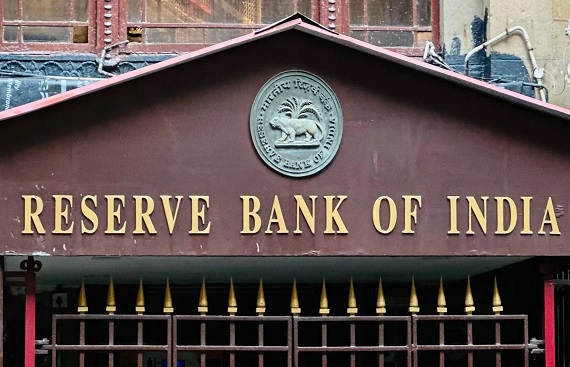
The Reserve Bank of India (RBI) has recently highlighted regulatory breaches by certain non-banking financial companies (NBFCs) operating in the peer-to-peer (P2P) lending space. In response, the RBI has updated its guidelines for P2P platforms.
The revised rules now prohibit credit enhancements and impose a cap on the aggregate exposure at Rs 50 lakh. These measures are aimed at ensuring greater regulatory compliance and mitigating risks associated with P2P lending activities.
The violations included marketing P2P lending as investment products, providing liquidity options, and operating as deposit takers and lenders instead of merely serving as intermediaries. The RBI stated that it has addressed these issues directly with the concerned entities for corrective action.
The violations included advertising P2P lending as investment opportunities, providing liquidity options, and operating as deposit takers and lenders instead of solely acting as intermediaries. The RBI noted that it has addressed these issues directly with the involved entities to seek remediation.
The RBI stated that NBFC-P2P lending platforms are required to function solely as intermediaries, offering an online marketplace for participants in P2P lending.
The regulator has introduced new provisions to the master directions, which will be effective in three months. Under the new guidelines, these platforms are prohibited from offering credit enhancements or guarantees, and any loss of principal or interest must be borne by the lenders, with necessary disclosures required. Additionally, the RBI has mandated that these platforms cannot cross-sell insurance products beyond those related to the loan and must refrain from engaging in practices associated with credit enhancement or guarantees.
Additionally, the regulator has stated that the boards of NBFC-P2P platforms must implement policies to match lenders with borrowers in a fair and non-discriminatory manner.
Loans can only be disbursed when all participants are matched and a signed contract is in place, with no matching within close user groups allowed. NBFC-P2Ps must use funds as specified by regulations and cannot substitute one lender’s funds for another’s. Fees must be disclosed at the time of lending, fixed as a specific amount or percentage of the principal, and must not depend on borrower repayment.
Lender exposure on P2P platforms is capped at  50 lakh. If a lender’s total lending exceeds 10 lakh, they must provide a net worth certificate from a chartered accountant. Fund transfers must use escrow accounts managed by a bank-promoted trustee, with separate accounts for lenders and borrowers, and must be conducted through bank accounts only, with no cash transactions allowed.
50 lakh. If a lender’s total lending exceeds 10 lakh, they must provide a net worth certificate from a chartered accountant. Fund transfers must use escrow accounts managed by a bank-promoted trustee, with separate accounts for lenders and borrowers, and must be conducted through bank accounts only, with no cash transactions allowed.