Why Indian Government Is Mandating Helmets for Every Rider
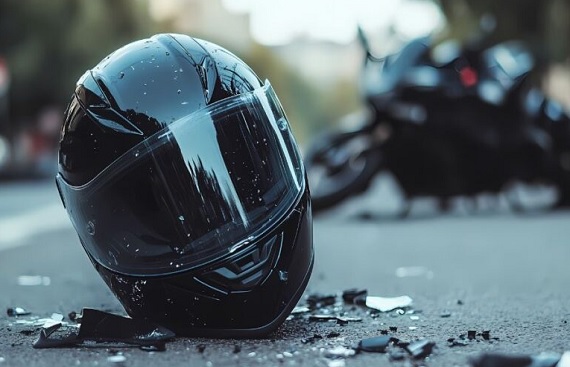
- BIS-certified helmets cut head injuries by 74% and fatalities by 42%.
- Fines, license suspension, and campaigns boost compliance.
- From 2026, all new two-wheelers include ABS and two helmets.
As 2025 winds down, India's roads pulse with the rhythm of millions scooters weaving through chaotic traffic, bikes ferrying families to markets, and commuters racing against time. Yet, beneath this vibrancy lurks a silent killer, road accidents.
This year, the Indian government has amplified its helmet mandate under the Motor Vehicles Act, 1988, not as a simple rule, but as a nationwide lifeline. With two-wheelers dominating urban mobility, the push emphasizes mandatory BIS-certified helmets for every rider and pillion, backed by innovative enforcement.
Why this urgency?
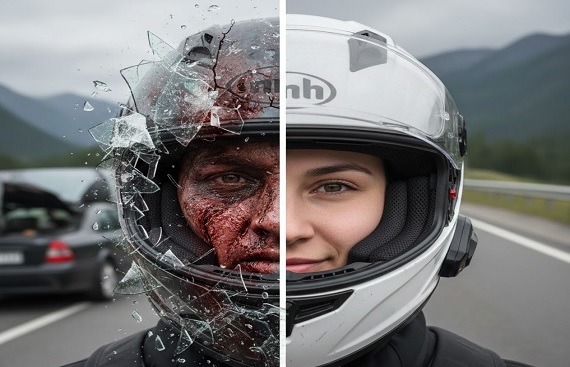
The data paints a harrowing picture, while local police in hotspots like Karnataka and Andhra Pradesh are turning policy into action through creative campaigns. This isn't just about fines, it's about saving lives in a country where roads claim more victims than wars.
India's road safety crisis hit a fever pitch in 2025, with provisional data echoing the horrors of prior years. In 2023 alone, 54,568 two-wheeler riders perished without helmets 39,160 drivers and 15,408 pillion passengers accounting for over 40 percent of total road fatalities where safety gear was absent. By 2024 estimates, two-wheeler deaths surged, comprising 45 percent of all road accidents or about 77,539 lives lost, with roughly 50,000 victims helmetless.
Andhra Pradesh reported 8,137 road deaths in 2023, half involving two-wheelers, a trend persisting into 2025. Nationally, motorized two-wheelers (MTWs) contribute to 30 percent of fatalities due to helmet non-compliance 21.2 percent riders and 8.5 percent pillions despite policies mandating their use.
India’s Fight Against Helmet Neglect
From five two-wheeler deaths per hour in 2014, it escalated to nine by 2023, a trajectory unbroken in 2025. Helmets aren't optional luxuries, science backs their efficacy. Proper usage reduces head injury risk by 69 percent and fatality chances by 42 percent, potentially slashing death risk sixfold and brain injuries by up to 74 percent.
Yet, violations abound, between December 2024 and June 2025, over 10.5 million helmet-related offences were recorded, making up 35 percent of all traffic challans.
Why Now India Turns the Helmet Mandate Into Action?
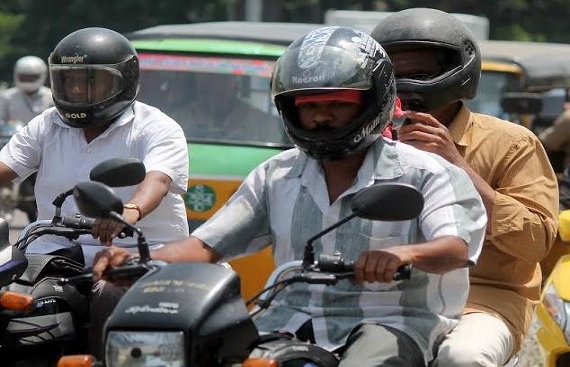
The government's 2025 helmet drive stems from Section 129 of the Motor Vehicles Act, which mandates protective headgear for all two-wheeler users aged four and above, conforming to BIS standards. Updates this year include higher fines up to Rs 1,000 plus three-month license suspension for violations and stricter enforcement on safety gear.
A landmark move, From January 1, 2026, new two-wheelers must include ABS and come bundled with two BIS-certified helmets, ensuring immediate compliance. Amendments to the Act, as per July 2025 parliamentary notes, bolster road safety by addressing rising accidents.
With two-wheelers forming 44.5% of road deaths, the Ministry of Road Transport and Highways sees helmets as a low-cost, high-impact intervention amid urbanization and vehicle surges. Police forces nationwide are empowered to educate, not just penalize, blending awareness with authority.
Also Read: RBI's Groundbreaking Regulatory Moves of 2025
Top Helmet Awareness Stories
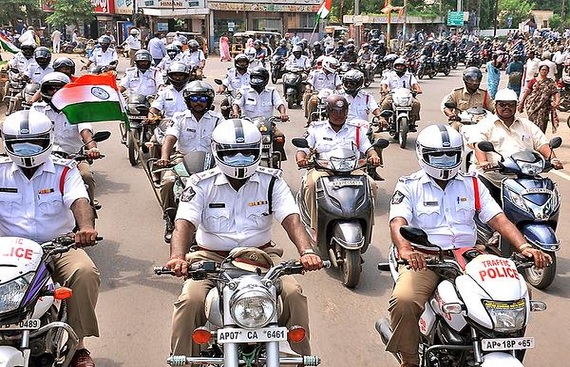
Kolar district emerged as a frontrunner, enforcing mandatory helmets from December 1, 2025, for riders and pillions.
In Kolar, police organized a helmet awareness bike rally recentlly, distributing 100 free helmets while closing illegal expressway entries to curb accidents. Ballari district amplified via Instagram, with visuals urging ‘Wear helmet and save lives’.
Helmet Rules in Mulbagal
Mulbagal Police, under Kolar District Police, have actively launched a helmet awareness campaign to ensure road safety for all two-wheeler riders and pillion passengers. Since December 1, 2025, wearing a helmet has been made mandatory across Mulbagal, with strict enforcement and fines aimed at reducing head injuries and fatalities on the roads.
Key aspects of the campaign include:
- Mandatory Helmet Use: Both riders and pillion passengers must wear helmets at all times.
- Enforcement & Fines: Violators face a Rs 1,000 fine and potential 3-month license suspension under the Motor Vehicles Act.
- Awareness Initiatives: The police engage the public through social media posts, rallies, and community outreach, emphasizing the slogan ‘Your safety is in your hands’.
- Certified Helmets: Only BIS/ISI-certified helmets (IS 4151) are allowed, ensuring proper protection.
- Future Implementation: Starting January 2026, all new two-wheelers sold must come with two BIS-certified helmets.
Andhra Pradesh's districts matched this zeal.
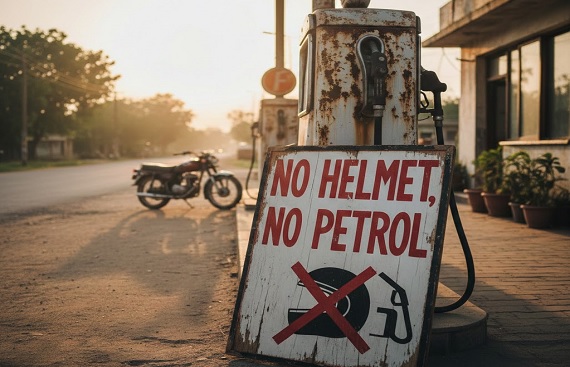
Tirupati police rolled out ‘No Helmet, No Petrol’ from December 15, 2025, denying fuel to violators and making helmets compulsory district-wide. To ease adoption, they opened an ISI-certified helmet outlet at a petrol bunk, selling affordable gear. A massive rally with officers leading helmeted rides educated locals, yielding quick results as compliance rose.
Karnataka’s Safety Signal
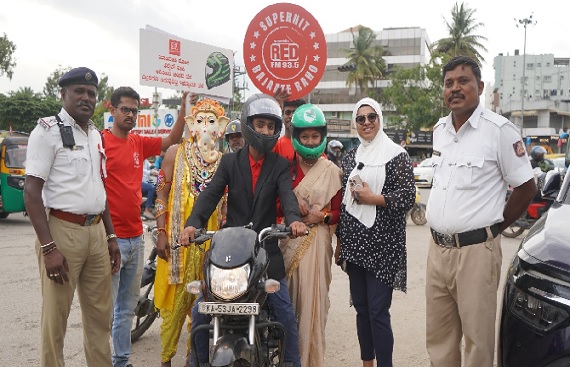
Across India, local police and governments are spearheading helmet initiatives, turning mandates into community movements.
In Karnataka, Bengaluru's traffic police partnered with 93.5 RED FM in September 2025 for the ‘Second Chance Nahi Milega’ campaign, using radio spots, street plays, and social media to highlight helmet's role in survival.
Drawing from state-wide efforts like the ‘Consequences’ drive, it urged proper buckling to avert tragedies.
Wrapping it Up!
As we enter 2026, with bundled helmets and ABS becoming standard, the mandate could slash deaths by thousands.
Yet, success demands collective will police can't patrol every lane. Strap on India, your next ride could depend on it.