Investigating Psychological Effects of Social Media on Teenagers
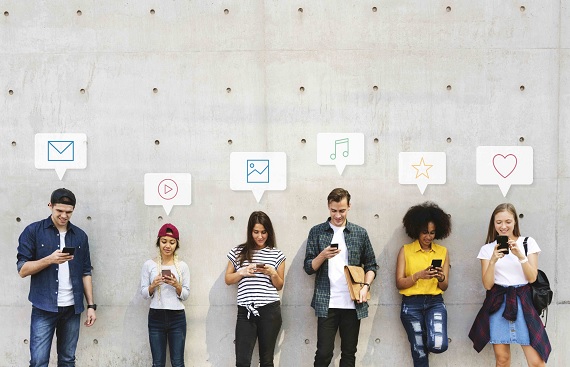
Today's teenagers can't even picture social networking sites not being an alternative to their ordinary lives. These sites are now the primary communication, identification, and interaction means. However, the issue of social media's effect on adolescents' mental health has recently become a topic of debate. Although these seem like a great way of keeping up with your family, and friends and creating some memories they also come with difficulties such as cyberbullying, social rivalry, and the need to maintain an ideal appearance. These aspects can result in anxiety, depression and low self-esteem among individuals. During the process of identity formation, the daily usage of social media and constant interaction with carefully selected content and the received likes and comments may lead to the development of low self-esteem. Awareness of these impacts is crucial for promoting better online conduct and helping teenagers cope with the challenges of the digital age.
Impact on Mental Health
Social media can be either a blessing or a gift as it brings stress to teenagers' mental health. But, social networks like Instagram, TikTok, and Snapchat give teenagers the possibility to communicate with their friends, share their experiences, and find friends who have the same experience and help them. However, the pictures that are chosen and, as it were, perfect that are posted in these sites can lead to poor self-esteem and anxiety. Foregoing studies have also revealed that the amount of time that teenagers spend on these social media platforms is contrariwise relational to their levels of anxiety, depression, and loneliness. This environment of constant comparison leads to negative self-esteem especially when teens feel that they do not fit the images portrayed online.
Impact on Self-Esteem and Identity Formation
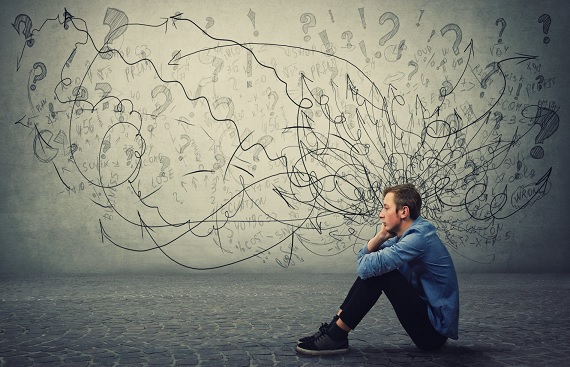
Young people are still in the process of forming their identity and social networks influence their perception of who they are. Platforms encourage self-branding, where users showcase their lives in the best way and this makes teens have more value in the image they portray on social media platforms rather than the real thing. This can lead to developing a wrong perception of oneself since adolescents can depend on the number of likes and comments to determine their worth. They can get a temporary satisfaction of their self-esteem if they receive positive feedback, but negative feedback or lack of it will have a negative effect on them. The trends and expectations set by society depicted on the internet can cause teenagers not to build a strong and unique sense of self.
Cyberbullying and Emotional Well-being
One of the social problems that social media has brought to teenagers is the increased cases of cyberbullying. Cyberbullying is like other types of bullying but is done with the use of technology and is thus more common and can be more persistent. Bullying on social media is easy because people are unknown and can post anything they want without being punished immediately. The psychological impact of the abuse is also very high; victims suffer from higher stress levels, anxiety, and depression, and some even develop suicidal tendencies. Since cyberbullying happens in cyberspace, it becomes difficult for parents and teachers to notice hence many adolescents suffer the emotional repercussions alone.
Social Media Addiction and Behavioral Changes
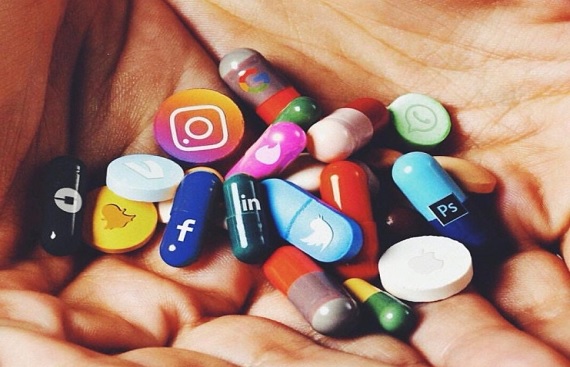
Teenagers are becoming more and more dependent on social media, and spend hours on feeds, watching videos and engaging in social activities. This habitual use can make one become dependent on it just like the drug addicts are dependent on their drugs. The notifications and likes that are released in the brain due to the use of social media increase dopamine levels and thus make it difficult for teens to log out. In the long run, this addiction may result in major behavioral shifts like social seclusion, avoiding face-to-face communication, and even skipping school. Further, the blue light that is produced in screens can cause sleep disturbances which result in tiredness and poor concentration. Social media is therefore a constant part of the teenager’s life and can therefore greatly affect his or her well-being.
"One of the greatest innovations in technology is social media, not just in our ability to communicate but in our ability to market directly to those we want to reach", says Nikul Patel, Founder & CEO, Digital Media Group of Companies.
Influence on Social Skills and Real-World Interactions
While social media brings teenagers closer to the global society it hampers the development of core interpersonal skills. It is also important to note that face-to-face communication offers opportunities for the recognition of feelings, the interpretation of body language and the handling of conflicts, which cannot be replaced by digital communication. In their interaction with friends and acquaintances, teens using social media may spend little time meeting them physically and thus, they develop anxiety when it comes to physical interactions. Moreover, the use of shortened words and emojis in social interactions through the Internet is likely to affect language acquisition and interfere with the capacity to convey ideas coherently in spoken language. Therefore, the increased reliance on social media may negatively affect the acquisition of appropriate social skills.
Positive Psychological Effects of Social Media
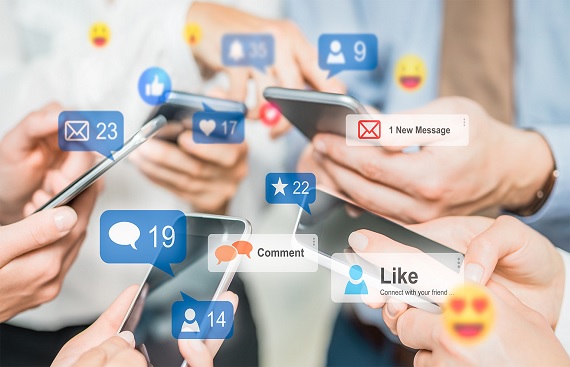
One must understand that social media is not a sin, and it has a positive impact on one’s psychological well-being. To many teenagers, it provides meaningful ways to interact and be inspired. Social media can provide teens with support networks, especially if the youth feel lonely in their real-world interactions. It enables them to learn different outlooks, be creative, and feel connected with others with similar passions or life stories. Also, social networks can act as a source of mental health help, as organizations share information and services on social networks. However, if used correctly, social media can be a great tool for self-actualization and a means of creating a sense of belonging to a particular community.
Conclusion: Social media exerts an array of psychological effects on adolescents, but these may encompass biopsychological aspects of life such as mental health and peer relations. Despite the threats like cyberbullying, addiction, and problematic identity development, social media has its benefits, including social connections and self-voice. To solve these problems, parents, teachers, and society in general should encourage the correct usage and guide teenagers through the digital environment. Thus, by being aware of the possible negative consequences and finding ways to enhance the positive aspects.