Why LED Bulbs Are the Smartest Choice for Energy-Efficient Home Lighting
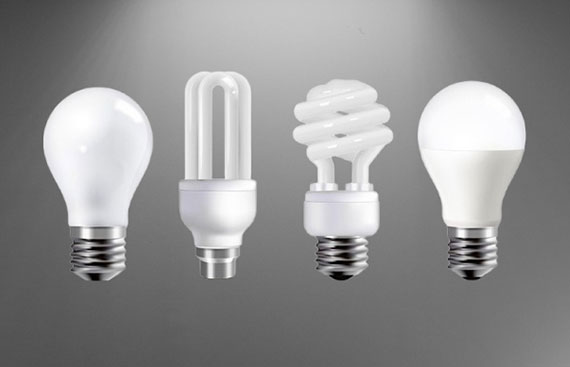
LED bulbs have revolutionised home lighting by combining energy efficiency, longevity, and style. In today’s eco-conscious world, switching to LED bulbs is a wise decision for homeowners aiming to reduce energy costs without sacrificing quality. This guide explores the many benefits of LED lighting and offers practical tips to help you make the best choices for every room in your home.
Benefits of Switching to LED Bulbs
Choosing LED bulbs offers substantial advantages across energy use, durability, and environmental impact.
- Energy Savings and Lower Bills
One of the primary reasons to switch to LED bulbs is their exceptional energy efficiency. Compared to incandescent or fluorescent bulbs, LEDs use up to 80% less electricity. This reduction translates directly into lower monthly electricity bills, an important consideration for Indian households facing rising utility costs. Despite consuming less power, LED bulbs produce the same or higher levels of brightness, making them cost-effective and practical.
- Longer Lifespan
LED bulbs are renowned for their longevity, lasting up to 25,000 to 50,000 hours depending on the model. This lifespan far exceeds traditional bulbs, which generally last only about 1,000 to 2,000 hours. Fewer replacements reduce hassles and waste, making LEDs a reliable investment that offers sustained performance over years.
- Eco-Friendly Lighting Option
LED lighting is more environmentally friendly due to its energy efficiency and reduced waste. Unlike fluorescent bulbs, LEDs contain no mercury or other toxic materials. Additionally, their longer life means less frequent disposal, lowering landfill contributions and promoting sustainability in home lighting.
Types of LED Bulbs Available
LED technology now covers a wide range of styles and applications to fit every lighting need.
GLS, Candle, and Tube LEDs
- GLS (General Lighting Service) LED bulbs resemble traditional round bulbs and work well in lamps and ceiling fixtures.
- Candle LED bulbs provide a decorative, flame-like shape for chandeliers and wall sconces.
- Tube LEDs replace fluorescent tubes and are ideal for kitchens and garages.
Spotlights and Downlights
For focused illumination, LED bulbs come in spotlight and downlight variants. These are perfect for highlighting artwork, kitchen counters, or creating ambient lighting in living areas.
Smart and Dimmable LEDs
Smart LED bulbs allow remote control and scheduling through smartphones or voice assistants, offering customised lighting at your fingertips. Dimmable LEDs adjust brightness for mood or task, adding versatility in home illumination.
Understanding Brightness and Colour Temperature
Navigating brightness and colour helps you choose the right LEDs for comfort and function.
Lumens vs Watts Explained
Brightness in LED bulbs is measured in lumens, while watts indicate energy usage. For example, a 9-watt LED can produce the same lumens as a 60-watt incandescent bulb, highlighting energy savings.
Warm, Cool, and Daylight Tones
LEDs come in colour temperatures described in Kelvins (K). Warm tones (2700K-3000K) create cosy, relaxing environments, perfect for bedrooms and living rooms. Cool tones (4000K-5000K) are invigorating and suited to offices or kitchens. Daylight LEDs (5000K-6500K) mimic natural light, ideal for reading or intricate tasks.
Best Lighting Choices for Each Room
- Bedrooms and lounges benefit from warm LEDs for relaxation.
- Kitchens and study areas need cool or daylight LEDs for clarity.
-
Bathrooms combine warmth with brightness for comfort and function.
How to Choose the Right LED Bulb
Making the right LED selection ensures optimal light quality and compatibility.
Wattage and Lumen Recommendations
Match LED wattage and lumens to intended use: lower lumens for accent lighting, higher for primary room lights. Common room sizes dictate recommended brightness levels.
Base Types and Compatibility
Check socket base types (E27, B22, GU10, etc.) to ensure LED bulbs fit existing fixtures, avoiding unnecessary replacements.
Light Distribution Options
Choose between focused beams for task lights or wide angles for ambient lighting. This affects how light spreads and influences room feel.
LED Lighting for Mood and Style
Beyond functionality, LED bulbs enhance aesthetics and atmosphere.
- Layered Lighting Techniques
Combine ceiling, wall, and floor lamps with LED bulbs to create depth and balance. Layering controls overall mood and visual comfort.
- Accent and Decorative Lighting
Use coloured or specially shaped LED bulbs for decorative touches that express personality and style.
- Outdoor LED Applications
Weather-resistant LED bulbs light patios, gardens, and pathways beautifully, adding safety and curb appeal.
Common Myths About LED Bulbs
Dispelling misconceptions helps buyers make informed choices.
Heat Concerns
Unlike incandescent bulbs, LED bulbs actuemit minimal heat, making them safer and reducing cooling loads in homes.
Cost vs Long-Term Savings
Though initially pricier, LED bulbs’ durability and energy savings make them economical over time.
Performance in Different Weather Conditions
High-quality LEDs operate efficiently across temperature variations, suitable for Indian climates.
Final Thoughts
Why LED Lighting is Ideal for Modern Homes
Installing LED bulbs upgrades homes with energy efficiency, long-lasting performance, and versatile style. Their ability to adapt to any room or mood, backed by cost savings and eco-friendliness, makes LEDs the smartest lighting choice for today’s Indian households.