

The Vital Role of Agricultural Sprayers in Modern Farming Methods
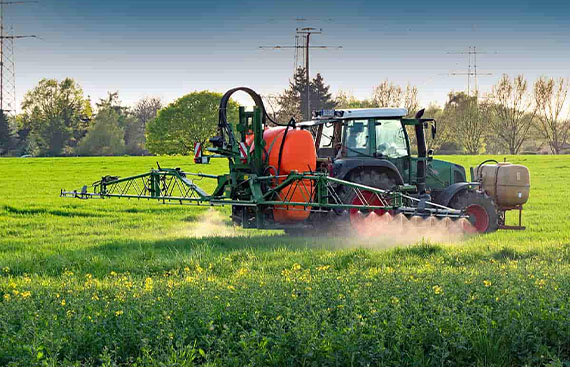
Agricultural sprayers, essential in current farming, have undergone a remarkable evolution. Early methods, reliant on manual application, faced limitations in accuracy and coverage. However, pivotal milestones emerged during the Industrial Revolution, transitioning to motorized sprayers and advancements in pump technologies. Technological leaps have revolutionized devices, integrating GPS, sensors, and smart systems, enabling precise and controlled spraying. This innovation has transformed farming practices, introducing specialized sprayers tailored to diverse crops and conditions. Today, these modern agricultural sprayers optimize crop health, control pests, and ensure efficient resource usage, redefining the landscape of farming with their precision and sustainability measures.
Agricultural sprayers serve as indispensable tools in modern farming methods, primarily by facilitating precise application techniques crucial for controlling pests, weeds, and diseases. Their targeted approach minimizes crop damage while maximizing the effectiveness of pest and disease management. Also, these sprayers optimize nutrient and fertilizer delivery, ensuring even distribution across fields, thereby promoting enhanced crop growth and healthier plants. Through their efficient spraying techniques, agricultural sprayers contribute significantly to water management and conservation, minimizing water wastage and fostering sustainable farming practices. Overall, their pivotal role in maintaining comprehensive crop health, managing pests, and facilitating optimal nutrient delivery stands as a cornerstone for improved agricultural productivity and sustainability in contemporary farming.
Precision Tools for Modern Farming
Agricultural sprayers encompass a diverse range of types and varieties crucial for modern farming practices. Classified based on functionality, they include boom sprayers, air-assisted sprayers, among others, each offering distinct advantages in coverage and precision. Tailored to various crops and field conditions, these sprayers cater to specific agricultural needs, considering growth patterns, crop density and pest susceptibility. Furthermore, specialized sprayers such as orchard sprayers or vineyard sprayers are designed to navigate unique farming environments, ensuring effective and precise application in tight spaces or delicate crop settings, showcasing the adaptability and significance of these tools in diverse agricultural settings.
Tech Revolutionizing Agricultural Spraying
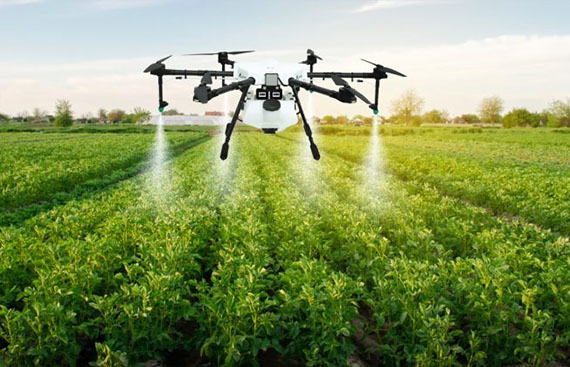
The integration of cutting-edge technology within agricultural sprayers marks a transformative shift in modern farming practices. Precision farming technologies like GPS, sensors and drones are at the forefront, orchestrating a revolution in these sprayers. GPS facilitates precise field mapping, guiding sprayers to apply substances accurately, while sensors continuously monitor crop conditions, adapting spraying patterns accordingly. Drones offer aerial perspectives, enhancing targeting and coverage. Smart control systems embedded in these sprayers ensure meticulous application and dosage management, regulating substance dispersal for optimized efficiency, reduced waste, and improved crop health. Also, the combination of data-driven decision-making and remote monitoring capabilities empowers farmers to make informed choices based on real-time insights into weather, soil conditions and crop health, thereby enabling adaptive strategies and streamlined operational control from remote locations. This tech integration underscores its pivotal role in shaping the efficacy and sustainability of modern agricultural practices.
Drone Revolution in Agriculture: The agricultural sector is witnessing an unprecedented surge in the use of drones, propelling revolutionary changes in farming practices. Projected to burgeon from a $1.2 billion industry in 2019 to a staggering $4.8 billion by 2024, the agricultural drone market is rapidly reshaping farm management on both large and small scales. Drones play a pivotal role in precision agriculture, furnishing invaluable data for informed agronomic decisions. From scouting to security, drones are transforming various aspects of farming. Equipped with specialized imaging tools like NDVI, these unmanned aerial vehicles monitor plant health, identifying issues swiftly for timely intervention. They enable precise field mapping, aiding in soil health assessment, drainage analysis, and nitrogen level monitoring, resulting in efficient irrigation techniques and enhanced soil fertility. Especially, the emerging use of drones for planting, spraying, security monitoring, and even pollination is on the horizon, revolutionizing tasks previously done manually or with less accuracy. Despite their promising utility, challenges persist, including regulatory frameworks and thorough research on their efficacy. As drones continue to evolve and demonstrate their potential in agriculture, their gradual integration and strategic utilization promise transformative benefits while calling for measured and informed adoption strategies by farmers and regulatory bodies alike.
Balaya Moharana, CTO of Zuari FarmHub, says, "Drone usage is reshaping the way farming and farm management is carried out and can bring a whole new level of revolution in this sector. You can have a multispectral camera in the drone to scan a very large area on a periodic basis and identify the stress areas of the crops such as pests or any other kind of infections or disease. Furthermore, drones can also be used to spray medicine, pesticides or any other kind of product quite easily over a large farm area in a very short time period, thus cutting down further spread of pests or diseases. Quick, cost-efficient and ability to cover large areas with ease are the three major factors that are fuelling the widespread of drones in farming practices today".
Tractor Sprayers: Tractor sprayers, indispensable implements in modern agriculture, play a pivotal role in efficiently dispersing water, pesticides, and medicines across farmlands, reducing labor and ensuring effective operations. With platforms like 91Tractors offering comprehensive information and a range of choices from different manufacturers, selecting the right sprayer has become simplified. The perks of tractor sprayers include labor reduction, uniform application, cost-effectiveness, versatility, and environmental friendliness, making them pivotal in crop protection, fertilizer application, irrigation, growth regulation, and soil conditioning. These sprayers come in various types like boom, airblast, mist, high-clearance, self-propelled, ATV, and tractor-mounted sprayers, each tailored for specific farming needs. With their ability to cover vast areas accurately, tractor sprayers have revolutionized farming practices, contributing to increased yields, improved crop quality, and global sustainable agricultural practices.
Sprayer Diversity in Modern Farming
The agricultural landscape thrives on the diverse array of sprayer types pivotal for efficiently dispensing a range of substances onto crops. From Knapsack Sprayers, designed for handheld operation with tank variations for flexibility, to Portable Power Sprayers ideal for extensive land coverage using electric or petrol engines via hose pipes, the spectrum of options caters to varied agricultural needs. Knapsack Power Sprayers, driven by motor engines and specialized Mist Dust Sprayers excel in mist-form chemical applications, making them ideal for orchards and diverse crops. HTP Sprayers, equipped with high-pressure systems, offer uniform spraying over large areas, while Orchard Sprayers, mounted on tractors, play a significant role in large-scale orchard management. This diverse range signifies their critical role in modern farming, facilitating precise application and efficient liquid dispersion, contributing significantly to increased crop yields, improved quality, and global agricultural sustainability.
Final Note
By embracing these innovative technologies and leveraging their diverse applications, the agricultural sector can continue to evolve, ensuring efficient crop care, reduced environmental impact, and sustainable farming practices.


