

The Top 15 Car Maintenance Tips for Keeping Your Vehicle Safe on the Road
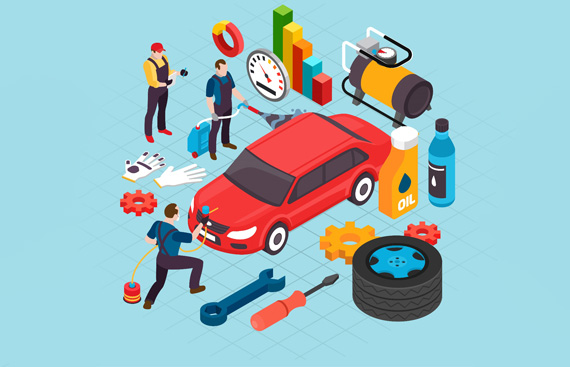
Buying a vehicle comes with its own set of responsibilities. While a new automobile can be a great addition to fulfilling your travel and mundane needs, it is also important to maintain them to ensure longevity and vehicle safety. Routine vehicle maintenance is a must for the optimal performance of your vehicle. Whether it is a car or a bike, without regular maintenance, it will likely die an untimely death. If you are someone who is thinking of buying a new vehicle or already owns one, reading this article will serve as your car maintenance guide, complete with car care tips and car maintenance advice.
Why Is Car Maintenance Necessary?
Any machine rusts if it is left dormant for too long. Cars are no exception.
Maintaining your vehicle is essential for ensuring safety, enhancing performance, and extending its lifespan. Regular car maintenance can prevent costly repairs and keep you safe while driving. Here are the top 15 car maintenance tips to help you keep your vehicle in optimal condition. When your car is well maintained, it is an indication of your dedication to keeping the car in running condition which can have a positive impact on your car insurance premium payment. Well-maintained cars fetch better insurance premium rates online, thus making it affordable for car owners to own car insurance online.
1. Regularly Check and Change Fluids
Your yearly car maintenance checklist calls for certain mandatory checks on your car, every month. Taking care of these tasks can greatly reduce your car’s wear and tear and help in keeping your car in top shape without inviting the need for any immediate repairs, thus helping you to accumulate that no-claim bonus.
- Engine Oil: Engine oil lubricates the engine components, reducing friction and preventing overheating. Check the oil level monthly and change it as recommended in your owner’s manual, typically every 5,000 to 7,500 miles. Your local petrol pump has the necessary tools to change your engine oil. It is better to get your engine oil changed occasionally to avoid unnecessary repairs in the future.
- Coolant: The coolant prevents the engine from overheating. Ensure that your coolant levels are adequate and replace it every two years or as specified by the manufacturer.
- Brake Fluid: Brake fluid is crucial for effective braking. Check the brake fluid level regularly and replace it if it appears dark or contaminated.
- Transmission Fluid: This fluid is vital for smooth gear shifts. Check it monthly and replace it according to your vehicle's service schedule.
When you take care of the above parameters, you increase your vehicle’s life expectancy and get the best out of it’s performance.
2. Maintain Tire Health
Of all the checks, the most important is that of the quality of tires.
- Tire Pressure: Proper tire pressure enhances fuel efficiency and ensures even tire wear. Check tire pressure at least once a month, and maintain it within the recommended range (usually between 30 to 36 PSI).
- Tread Depth: Inspect tire tread depth regularly to ensure adequate grip on the road. Replace tires when tread depth falls below 2/32 of an inch.
- Rotation and Alignment: Rotate your tires every 5,000 to 7,000 miles to promote even wear. Additionally, check wheel alignment if you notice uneven wear or if the vehicle pulls to one side.
3. Inspect Brakes Regularly
Brakes are critical for safety. Inspect brake pads, rotors, and fluid levels frequently. If you hear squeaking or grinding noises when braking, have them checked immediately.
4. Check Battery Health
A well-functioning battery is essential for starting your vehicle. Inspect battery terminals for corrosion and ensure a secure connection. Replace the battery every three to five years or when you notice signs of weakening.
5. Replace Air Filters
Dirty air filters can reduce fuel efficiency and engine performance. Replace the engine air filter every 12,000 to 15,000 miles or as recommended by your manufacturer. Additionally, consider changing the cabin air filter annually to ensure clean air inside the vehicle.
6. Keep Lights in Good Condition
Regularly check all exterior lights, including headlights, brake lights, and turn signals. Replace any burnt-out bulbs immediately to ensure visibility and safety while driving at night.
7. Maintain Windshield Wipers
Windshield wipers are very important, especially in a tropical climate like India’s, where certain regions are susceptible to torrential rains. Working wipers help in maintaining a clear vision of the road, thus preventing any untoward accidents from happening. Inspecting them regularly for wear and tear is a good practice to follow.
8. Clean Your Vehicle Regularly
Cleaning your car matters a lot to ensure its longevity. If you have kids or go on long road trips, make sure to clean your car thoroughly inside and outside so there are no unnecessary food items or trash left behind. Vacuum clean the seats to remove dust and keep your car allergen-free. Coat the exterior of your car with an anti-rust coating to prevent any seasonal damage and use cleaning products that are recommended specifically for cars and vehicles. Following these cleaning tips regularly ensures that your car not only looks clean but keeps unnecessary rodent infestation at bay, thus maintaining the original quality.
9. Monitor Dashboard Warning Lights
Always be aware while driving your vehicle. Today’s cars are equipped with danger warning accessories. For example, several cars have a passenger seatbelt indicator that makes noise when the person in the front passenger seat hasn’t worn a seat belt. Similarly, if your car alarms go off all of a sudden and you are unable to figure out what could be causing it, always check your dashboard warning lights.
10. Schedule Regular Professional Inspections
Routine inspections by a qualified mechanic can catch potential issues before they become serious problems. Aim for a professional check-up at least once a year or as per your vehicle’s service schedule.
11. Ensure Proper Exhaust Functioning
Check your exhaust system for leaks or damage regularly. A functioning exhaust system is crucial for reducing emissions and improving fuel efficiency.
13. Keep Track Of Your Emissions
Get your PUC (Pollution Under Control) statistics checked at your local petrol bunk and update the certificate from time to time. PUC certificate ensures that your emissions are within the prescribed limits set by the government.
14. Pay Attention to Belts and Hoses
Inspect belts for cracks or wear and hoses for leaks or bulges regularly. Replace any damaged components immediately to avoid breakdowns. A safety belt ensures that passengers have a safe journey and prevents them from sustaining major injuries in the case of accidents.
15. Drive Cautiously
Driving safely is a major factor governing your ability to own a car. Check that all safety guidelines are followed and the accessories are working properly. In addition to that, keep your eyes and ears open to any indication of damage to spare parts. Avoid aggressive driving behaviours such as rapid acceleration or hard braking, which can lead to increased wear on components like brakes and tires.
16. Keep an Emergency Kit
Having an emergency kit in your car can be invaluable in case of breakdowns or accidents. Include items such as a spare tire, jack, first-aid kit, flashlight, water, non-perishable snacks, and basic tools.
17. Use Quality Fuel
Using high-quality fuel can improve engine performance and efficiency while reducing harmful emissions. Avoid cheap gas stations that may offer lower-quality fuel that could harm your engine over time.
Conclusion
Maintaining your car is like raising a child. It is essential to upkeep the performance of your vehicle, so you don’t invite unexpected events like a tire breakdown or an engine failure which will require you to place a reimbursement request for your car insurance.
Regular care not only protects your investment but also provides peace of mind while driving. Additionally, car insurance providers tend to offer discounted car insurance premium rates for well maintained cars. Well maintained cars have lesser chances of undergoing major repairs, hence, the chances of getting a No Claim Bonus from the car insurance company are also higher.


