

The Physiotherapist's Guide to Choosing a Mattress for Pain Relief

You most likely know that proper sleep is crucial for feeling your best. But did you know it is also important for managing pain and aiding in recovery from muscle spasms, sprains, and injuries?
Whether you’re waking up with a stiff neck, an achy back, or sore joints, getting the recommended 7-8 hours of deep sleep can help you eliminate these pain problems and start your day on the right note. That said, how do you ensure deep, uninterrupted sleep that helps your body go full in repair mode? The answer lies in your mattress.
Physiotherapists around the world often see patients struggling with pain exacerbated by poor mattress choices. Studies show that 63% of people experience back pain after sleeping on an unsupportive mattress. They suggest switching to a mattress that aids in pain management rather than exacerbates it.
This guide will help you choose a mattress that not only promises comfort but also aids in pain relief. Let’s dive in:
Link Between Mattresses and Pain
Contrary to the popular belief that a mattress is just a place to rest, physiotherapists believe that it’s the only touchpoint where your body recovers itself from day-to-day beatings.
If your mattress doesn’t provide the right support, you are unlikely to fully heal micro-tears in your muscles or recover from damage to tissues that occurs because of vigorous exercise, inactivity, or injury. What’s more, your spine can fall out of alignment, leading to pressure points and pain.
Research has also found that sleeping on the wrong mattress can worsen chronic pain conditions, with 57% of people reporting reduced pain after switching to a more suitable mattress. This means investing in the best mattress for back pain or joint problems can help you enjoy more pain-free mornings and comfortable slumber.
What to Consider When Choosing a Mattress
When choosing a mattress for pain relief, many people would only think about its material construction and top feel. While these two are important factors, there’s more than meets the eye. Here’s everything you need to look at if you want the best back pain relief mattress:
Firmness Level
When it comes to mattress firmness, it’s a bit like the story of Goldilocks and the Three Bears—you want something that’s “just right.” But finding that perfect balance between soft and firm isn’t just about comfort. It’s crucial for pain relief, too.
Think of your spine as a set of building blocks. When stacked correctly, everything is stable and aligned. But if your mattress is too soft, your body might sink in too deeply, causing those blocks (aka your vertebrae) to tilt and create pressure points. On the flip side, if your mattress is too firm, those blocks are too rigid, causing tension in your muscles and joints.
The sweet spot? Medium-firm mattresses. According to a study, people who sleep on medium-firm mattresses report the most significant improvements in pain, especially lower back pain. It’s that “just right” level of support that keeps your spine aligned while still cradling your body’s natural curves. So, when you’re mattress shopping, channel your inner Goldilocks and aim for that perfect balance.
Material Type
Mattress material matters a great deal when it comes to pain relief. You want to go for a material that offers exceptional contouring properties while also providing the much-needed support your back needs to remain in its natural position.
The Pro Nexa foam, for example, contours to your body shape with up to 67% more precision than other materials, such as memory foam, providing personalized support that can help with pain relief. This foam is the core of Sleepwell’s most foam mattresses, specifically Pro Nexa Luxury mattresses.
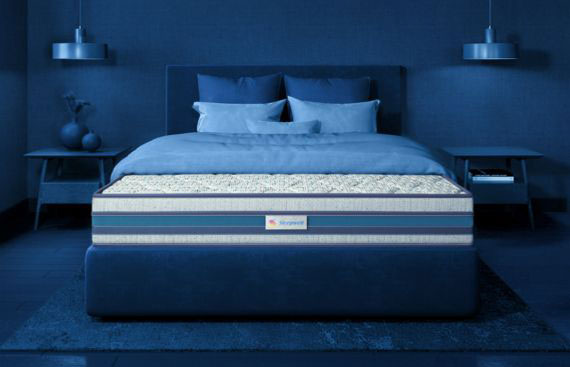
Latex mattresses are also considered excellent for easing pain and delivering comfortable sleep. Made from natural materials, they are known for their durability and consistent support, which can benefit those with joint pain.
If you want to wake up pain-free and drift off into a peaceful slumber without discomfort, make sure you invest in the best mattress material, such as the Pro Nexa foam or latex.
Mattress Thickness
The thickness of a mattress isn’t about its height, contrary to popular beliefs. Physiotherapists say it’s more about how many layers it includes. Generally, the more the layer, the better the support and cushioning it provides. It’s also important to look at the layer material to ensure they all collectively provide the right level of comfort and support for pain relief.
Thicker mattresses are often best suited for heavier individuals or those with specific pain concerns. For example, side sleepers might benefit from a thicker mattress that cushions the hips and shoulders. A mattress between 10-14 inches thick is generally recommended for most people.
Talking about thick mattresses, Sleepwell’s Fitrest mattress might just be your perfect match. It boasts an innovative Acuprofile Support Layer, designed with advanced contouring technology and a 3-zoned Resitec profiling system. This smart design ensures exceptional support, evenly distributes pressure, and enhances ventilation, giving you a truly restful and rejuvenating sleep every night.
Sleeping Position
Most people never look beyond mattress material, firmness, and support when looking for the best mattress for back pain relief. That said, your sleep position is as important as other factors. It can help you determine the best type of mattress for you.
If you sleep on your back, you may be better off getting a medium-firm mattress, as it will support your spine more precisely. Side sleepers may prefer a softer mattress to cushion the hips and shoulders.
For stomach sleepers, a firmer surface is best as it prevents the spine from curving too much into the mattress.
Body Weight
You probably didn’t know, but your body weight can also influence how a mattress feels. If you are heavy, you might find that a firmer mattress provides better support, keeping you from sinking too deeply into the mattress.
Lighter individuals, on the other hand, might like the feel of a softer mattress as it will contour their body better. Physiotherapists suggest choosing a mattress that aligns with your weight to ensure you get the right balance of support and comfort. This is how you get the best back pain relief mattress.
Common Pain Conditions and Mattress Recommendations
While firmness, material, and support layers are some important factors to consider when buying a mattress for pain relief, you also need to pay attention to your pain issues. Here’s a breakdown of common pain conditions and mattress recommendations based on them.
Back Pain
Back pain is one of the most common complaints, and your mattress can either help or hurt the situation. A study found that medium-firm mattresses are best for back pain sufferers, as they provide the right balance between support and comfort. The Pro Nexa foam and latex mattresses are often recommended because they contour your body, supporting the natural curve of your spine.
Neck Pain
If you wake up with neck pain, your mattress and pillow may be playing tricks with you. If your mattress is too soft or too firm, it can throw your neck out of alignment, resulting in a stiff neck or pain. Physiotherapists suggest pairing a supportive mattress with the right pillow—one that keeps your neck aligned with your spine—can make a big difference. Look for the best ortho mattress in India that supports your sleeping position to avoid additional strain on your neck.
Hip and Shoulder Pain
For those dealing with hip or shoulder pain, a mattress that reduces pressure on these areas can be of great help. Side sleepers, in particular, need a mattress that offers enough give to cushion these joints without sacrificing support. They may benefit from a softer mattress or one with a plush top layer, as it can help relieve pressure on the hips and shoulders, allowing for a more comfortable night’s sleep.
In a Nutshell
When you struggle with pain management, sometimes moves as small as upgrading to the best mattress for back pain relief can be a game-changer for your pain levels and overall health.
When it comes to choosing the right mattress, factors like firmness, material, and sleeping position play a crucial role. Remember, if you are unsure, don’t hesitate to consult with a physiotherapist, as they can provide personalized advice based on your specific needs.


