The Ambitious IMEC Trade Corridor and Its Chances of Success
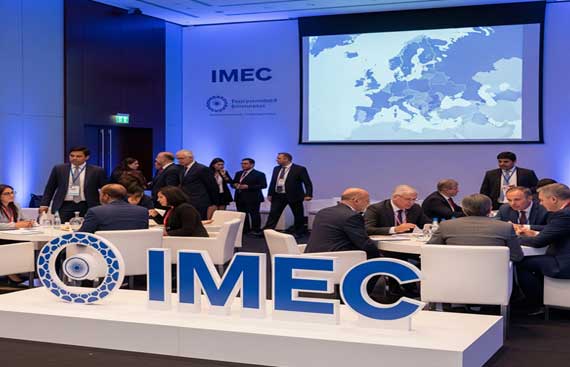
The India-Middle East-Europe Economic Corridor (IMEC) is emerging as one of the most expansive connectivity projects of the modern era. Designed to establish a seamless transport and trade route from India to Europe via the Middle East, the initiative envisions the integration of ports, railway networks, highways, and digital infrastructure. Its broader ambition lies in reshaping global trade patterns, potentially offering new alternatives to established routes such as the Suez Canal, which currently serves as a significant trade route between Europe and Asia.
Strategic Significance for Europe and Greece
For Europe, IMEC presents a valuable opportunity to enhance energy security and diversify supply chains. Greece, in particular, holds a strategic position within this vision. With its geographical proximity and well-developed port infrastructure, the country is not just a participant but a key player in the project's success. Greece is well-positioned to become a principal entry point for goods moving toward European markets, with ports like Piraeus and Thessaloniki serving as central nodes for the reception and further distribution of goods across the continent. Additionally, Greece’s role as an energy transit hub could support broader efforts to secure and diversify energy inflows.
The success of the corridor relies on the establishment of coordinated infrastructure development across participating countries. While maritime and port infrastructure may align more readily with current plans, the development of railway networks involves several logistical and administrative considerations. New railway lines would need to traverse areas with complex regulatory and operational environments, including varying safety standards, different signalling systems, and diverse labour laws. Additionally, some regions are marked by ongoing geopolitical developments, such as border disputes or political instability, which could affect the construction and operation of the railway lines. The creation of a streamlined customs process, unified transport standards, and the establishment of operational mechanisms such as a central sales office are viewed as essential components for long-term viability.
Investment and Governance Considerations
The project originated from regional interests and has since garnered attention from broader international stakeholders. As it evolves, its progress depends on structured financial commitments and formal governance frameworks. There is currently no dedicated implementation authority overseeing the corridor, and partner nations are encouraged to incorporate the project into their national development strategies. Collaborative funding from multiple regions, including Asia, the Middle East, and the West, will play a key role in advancing the necessary infrastructure and support systems.
While planning progresses, regional dynamics continue to influence the pace of development. Stability across the Middle East remains crucial to the implementation of infrastructure. However, the project is designed to be resilient, with ongoing efforts to build partnerships and maintain operational continuity. These efforts, supported by regional collaboration and shared objectives, ensure that the project can withstand and adapt to geopolitical challenges.
Beyond Greece, other Mediterranean countries are also poised to make significant contributions. Cyprus may serve as an administrative and operational hub, leveraging its regional positioning and existing institutional capacity. Broader participation from neighbouring areas, including integration points connecting through Jordan, could further enhance the corridor’s reach. The successful inclusion of additional regions depends on long-term cooperation and regional development.
The IMEC initiative presents a transformative vision for modern trade, founded on international collaboration, infrastructure development, and shared strategic interests.