

Tarun Kakar Explains - Why Most Indians Fail at Investing Despite Earning Well
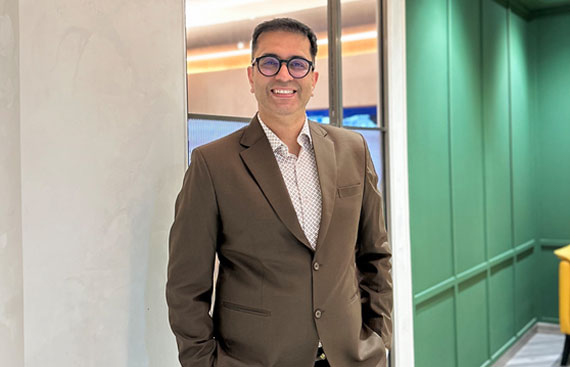
Despite rising salaries, record employment in the organised sector, and increased access to financial products, a large section of India’s working population continues to struggle with wealth creation. According to Tarun Kakar, a financial educator and mutual fund distributor, the problem isn’t income, it’s behaviour.
“Over the years, I’ve met people earning ₹10,000 a month who don’t save, people earning ₹1 lakh who don’t save, and even professionals earning ₹5-10 lakh a month who still live paycheck to paycheck,” Kakar said. “The issue is not how much money you make. The issue is how you treat money.”
Recent data supports this view. An RBI Consumer Confidence Survey shows that while disposable incomes have increased, household savings as a percentage of GDP have declined steadily over the past decade. Simultaneously, discretionary spending on lifestyle products, travel, and consumer electronics has surged, particularly among urban earners.
Kakar explains that this pattern is driven by what he calls “lifestyle inflation”, the tendency to increase spending every time income rises. “The moment income goes up; expenses go up even faster. New phones, better cars, expensive holidays. Saving and investing are always postponed to ‘later’,” he said.
This behavioural gap becomes more evident when looking at long-term investment participation. According to AMFI data, less than 6% of India’s population invests in mutual funds, despite aggressive financial inclusion efforts and easy digital access. “People think investing requires a large amount of money or deep financial knowledge, which is simply not true,” Kakar noted.
He argues that the biggest mistake high earners make is delaying the habit of investing. “You don’t build wealth by waiting to earn more. You build wealth by starting early, even if the amount is small,” Kakar said. “Someone investing ₹500 through a SIP develops a habit that compounds not just money, but discipline.”
The lack of financial planning is also visible in emergency preparedness. Industry studies indicate that nearly 50% of Indian households do not have an emergency fund sufficient to cover even three months of expenses. This leaves families vulnerable to debt during medical emergencies, job losses, or economic slowdowns.
“Most financial stress comes from poor planning, not poor income,” Kakar explained. “People spend years chasing higher salaries but ignore basics like emergency funds, insurance, and long-term investing. When a crisis hits, the income becomes irrelevant.”
Tarun Kakar believes the solution lies in changing how Indians view money. Instead of focusing on returns or market timing, he urges people to focus on behaviour. “Successful investing is boring,” he said. “It’s about consistency, patience, and staying invested. The market rewards discipline, not intelligence.”
He adds that financial awareness must shift from aspirational content to practical education. “We need to talk more about habits, saving before spending, investing before upgrading lifestyle, and thinking long term. That’s how real wealth is built.”
As India’s middle class expands and earning capacity continues to grow, experts like Kakar believe that the next phase of wealth creation will depend less on income growth and more on financial behaviour. “Earning well is only half the story,” he said. “What you do with that income decides your future.”


