Stroke Rehabilitation Physiotherapy: Restoring Independence and Quality of Life
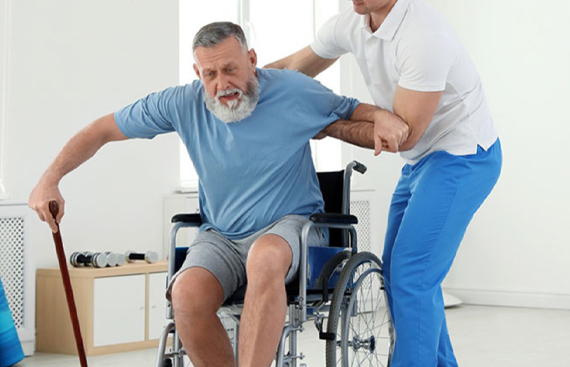
A stroke, also known as a cerebrovascular accident (CVA), occurs when blood flow to part of the brain is interrupted. This can lead to brain cell damage and result in a variety of physical and cognitive impairments. Physiotherapy rehabilitation, a cornerstone of stroke recovery treatment, plays a vital role in helping individuals regain function, improve mobility, and ultimately, achieve greater independence.
This article explores the importance of physiotherapy rehab after a stroke, the different treatment techniques employed, and the potential benefits for stroke survivors. It also guides on finding a qualified physiotherapist and navigating insurance coverage.
Why Physiotherapy Rehabilitation Matters After a Stroke
A stroke can have a profound impact on a person's life, affecting their ability to move, speak, swallow, and perform daily activities. Physiotherapy rehabilitation is crucial for stroke recovery as it helps individuals relearn lost skills and adapt to their new circumstances.
Here's a closer look at the benefits of physiotherapy rehab after a stroke:
- Improved mobility and movement: A stroke can cause weakness, paralysis, or stiffness on one side of the body. Physiotherapy focuses on improving muscle strength, coordination, and balance, allowing individuals to regain control over their movements and become more mobile.
- Reduced pain and spasticity: Stroke-related pain and spasticity (muscle tightness and involuntary muscle contractions) can significantly hinder movement. Physiotherapists utilize various techniques to manage pain and spasticity, improving comfort and facilitating functional activities.
- Enhanced balance and gait: Balance and gait problems are common after a stroke. Physiotherapy helps individuals relearn proper walking patterns, improve stability, and reduce the risk of falls, promoting greater independence.
- Increased strength and endurance: Muscles weakened by stroke can be strengthened through targeted exercises prescribed by a physiotherapist. This improved strength and endurance allow individuals to perform daily tasks with greater ease and confidence.
- Improved Activities of Daily Living (ADLs): Physiotherapists help stroke survivors relearn essential skills for daily living, such as dressing, bathing, toileting, and transferring. This fosters self-sufficiency and empowers individuals to regain control over their lives.
Physiotherapy techniques for Stroke Rehabilitation
Physiotherapy treatment plans for stroke are individualized based on the severity of the stroke and the specific impairments experienced. Here are some common techniques employed by physiotherapists:
- Movement re-education: This involves practicing purposeful movements to retrain the brain and improve the ability to perform specific tasks.
- Strengthening exercises: Targeted exercises designed to improve muscle strength and endurance, allowing for more functional movement patterns.
- Balance and gait training: Activities and exercises focusing on improving balance, coordination, and walking ability, promoting safe and independent mobility.
- Stretching and spasticity management: Stretching techniques combined with modalities like electrical stimulation or splinting can help manage muscle tightness and spasticity, improving flexibility and movement.
- Assistive devices: Utilizing canes, walkers, or other assistive devices can provide essential support and enhance mobility during the rehabilitation process.
In addition to these techniques, physiotherapists may also employ:
- Education: Providing stroke survivors and their caregivers with information about the stroke, the rehabilitation process, and self-management strategies.
- Pain management techniques: Using manual therapy, modalities, or specific exercises to alleviate pain and improve comfort.
- Functional Electrical Stimulation (FES): Low-level electrical stimulation applied to muscles to improve their activation and facilitate movement.
- Virtual Reality (VR): Emerging technology showing promise in stroke rehabilitation by providing engaging and interactive training environments.
It's important to note that physiotherapy rehabilitation is a collaborative effort. The physiotherapist works closely with the stroke survivor, their family or caregivers, and other healthcare professionals, such as occupational therapists and speech therapists, to ensure a comprehensive and coordinated recovery program.
The Journey to Recovery: Finding the Right Physiotherapist
Following a stroke, finding a qualified physiotherapist familiar with stroke rehabilitation is crucial. Here are some tips for your search:
- Qualifications and Experience: Ensure the physiotherapist is registered with your local governing body and has experience treating stroke patients.
- Treatment Philosophy: Discuss the physiotherapist's approach to stroke rehabilitation and ensure it aligns with your goals and recovery plan.
- Communication Style: Choose a physiotherapist who communicates effectively, clearly explains your condition and treatment options, and actively listens to your concerns.
- Location and Convenience: Consider factors like travel time and appointment availability when selecting a physiotherapist.
Insurance Coverage for Physiotherapy After Stroke
Many insurance plans cover physiotherapy services, but coverage details can vary. Here's what to consider:
- Copay: This is a fixed amount you pay for each physiotherapy session.
- Deductible: The amount you need to pay out-of-pocket before your insurance starts covering costs.
- Number of sessions covered: Some plans may limit the number of physiotherapy sessions covered per year for stroke rehabilitation.
- Pre-authorization: Certain insurance plans might require pre-authorization from your doctor before covering physiotherapy services.
Here are some additional tips regarding insurance coverage
- Contact your insurance provider: Get a clear understanding of your specific coverage details for physiotherapy after a stroke. This includes information on copays, deductibles, and any limitations on the number of sessions covered.
- Referral from your doctor: A referral from your doctor can expedite insurance approval and ensure the physiotherapy services are considered medically necessary.
- Keep records: Maintain copies of your insurance explanation of benefits (EOBs) for physiotherapy services to track your out-of-pocket costs and ensure proper billing.
Conclusion
Stroke rehabilitation is a journey, and physiotherapy plays a pivotal role in helping individuals regain independence and improve their quality of life. By working diligently with a qualified physiotherapist, stroke survivors can achieve significant progress in regaining lost skills and functions.
If you or someone you know has experienced a stroke, discuss the possibility of physiotherapy rehabilitation with their doctor. Early intervention is crucial for optimizing recovery outcomes. Physiotherapy can empower stroke survivors to live a more fulfilling and independent life.