Rewriting the Rules of Vision Care: The Platformization of Ophthalmology
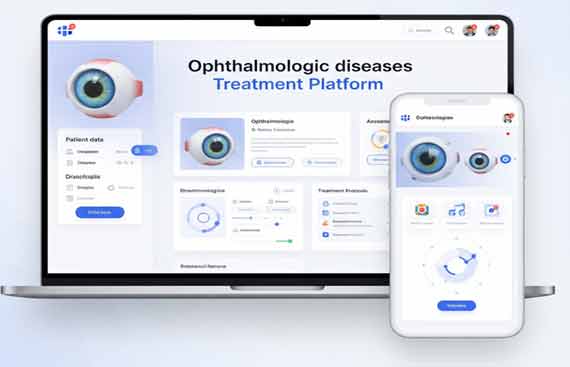
A confluence of technological advancements and an increased knowledge of ocular pathologies is driving profound changes in the treatment of ophthalmologic diseases. This evolution is giving rise to sophisticated platforms that promise enhanced diagnostic precision, more effective therapeutic interventions, and improved patient outcomes across a spectrum of eye conditions.
Advanced Diagnostics and AI Integration
At the forefront of this revolution are innovations in diagnostic imaging. Techniques such as Optical Coherence Tomography (OCT) continue to evolve, offering unprecedented, non-invasive, cross-sectional views of the retina and optic nerve. These highly detailed images allow for the earlier detection and more precise monitoring of conditions like glaucoma, age-related macular degeneration (AMD), and diabetic retinopathy. Complementing this, advanced fundus photography and fluorescein angiography provide critical insights into the vascular structures of the eye. The integration of these imaging modalities into comprehensive platforms enables clinicians to gather a wealth of data, laying the groundwork for more informed treatment decisions.
A significant paradigm shift is being driven by the pervasive integration of Artificial Intelligence (AI) and machine learning into ophthalmic care platforms. AI algorithms are proving instrumental in analyzing the vast datasets generated by diagnostic imaging. These intelligent systems can identify subtle patterns and anomalies that might be missed by the human eye, facilitating earlier and more accurate diagnoses of various eye diseases. For instance, AI-powered tools are being developed to screen for diabetic retinopathy, classify ocular lesions, and predict disease progression in conditions like AMD and glaucoma. This not only enhances diagnostic accuracy but also streamlines clinical workflows, freeing up valuable time for healthcare professionals to focus on patient interaction and complex cases. The future envisions AI assisting in the development of personalized treatment plans, leveraging genetic and clinical data to tailor interventions to individual patient profiles.
Evolving Therapeutic Approaches
Beyond diagnostics, therapeutic platforms are witnessing significant advancements. In surgical interventions, minimally invasive glaucoma surgeries (MIGS) have been substantiated as a considerable development, offering reduced tissue trauma, faster recovery times, and lower complication rates compared to traditional procedures. These microscopic devices, implanted to reduce intraocular pressure, are continually being refined. Similarly, cataract surgery has been revolutionized by laser-assisted techniques, such as femtosecond laser technology, which allows for unparalleled precision in incisions and lens fragmentation. The development of advanced intraocular lenses (IOLs), including toric and multifocal options, further enhances visual outcomes for patients undergoing cataract removal. Robotic surgical assistants are also gaining traction, promising to elevate precision and dexterity in intricate ophthalmic procedures, potentially reducing human error and improving overall operative efficiency.
The realm of gene therapy and regenerative medicine represents a truly groundbreaking frontier. For inherited retinal diseases, gene therapies are moving from experimental stages to clinical reality, offering the potential to correct underlying genetic mutations and restore vision in previously untreatable conditions. Beyond gene therapy, stem cell therapies are being actively explored for their potential to regenerate damaged retinal cells and corneal tissue, offering hope for conditions that cause significant vision impairment. These innovative biological approaches aim to address the root causes of disease, rather than merely managing symptoms.
Drug delivery systems are also undergoing a significant transformation, aiming to overcome issues of patient compliance and improve therapeutic efficacy. Sustained-release implants, capable of delivering medication directly to the targeted ocular tissues over extended periods, are becoming a reality. This approach reduces the burden of frequent eye drop administration and ensures consistent drug levels, thereby improving treatment adherence and overall outcomes, particularly in chronic conditions like glaucoma and uveitis. Nanotechnology is playing a crucial role in developing more targeted and efficient drug delivery mechanisms, minimizing systemic side effects.
Integrated and Patient-Centric Care
The expansion of telemedicine and remote monitoring platforms is transforming the delivery of eye care, particularly in underserved or rural areas. These platforms utilize high-definition video conferencing, secure image sharing, and portable diagnostic devices to facilitate virtual consultations and continuous monitoring of patients' ocular health from the comfort of their own homes. This not only improves access to care but also empowers patients to take a more active role in managing their conditions, with real-time data feeding into their electronic health records for ongoing assessment by ophthalmologists. The integration of wearable technology, such as smart contact lenses and glasses capable of monitoring eye health parameters, further enhances the capabilities of these remote care platforms.
The modern ophthalmologic disease treatment platform is characterized by its multi-modal approach. It seamlessly integrates highly sophisticated diagnostic tools with intelligent analytical capabilities, offering precision surgical options, exploring groundbreaking biological therapies, and facilitating convenient, patient-centric care through remote technologies. This holistic evolution underscores a commitment to not only preserving vision but also actively restoring and enhancing it, marking an era in eye healthcare.