

New MVAG 2025 Guidelines Allow Surge Pricing Up to 2X
- Ride-hailing platforms can now charge up to 2X the base fare during peak hours and as low as 50% during non-peak hours.
- Private motorcycles can now be used for passenger transport via aggregators, subject to state approval a major win for bike taxi operators.
- Mandatory health insurance (Rs 5 lakh), term insurance (Rs 10 lakh) for drivers, vehicle tracking, and refresher training requirements have been introduced.
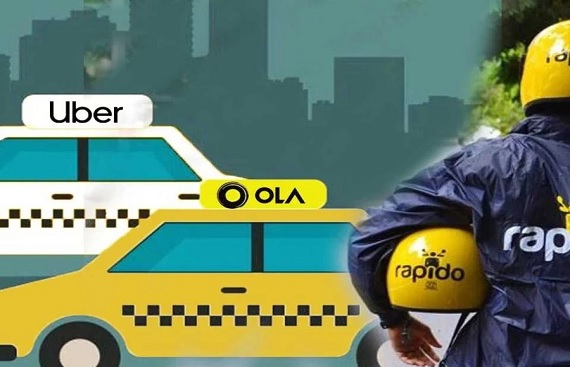
The Ministry of Road Transport and Highways has released the Motor Vehicle Aggregator Guidelines (MVAG) 2025, introducing sweeping changes to India’s ride-hailing sector. Under the updated norms, aggregators such as Uber, Ola, Rapido, and inDrive can now charge up to double the base fare during peak hours an increase from the previous cap of 1.5 times. During non-peak hours, fares can dip as low as 50% of the base fare.
The base fare, determined by state governments, includes a minimum distance of three kilometres to compensate for the distance travelled without passengers. No extra charges for dead mileage will be permitted unless the trip is shorter than three kilometres. Fare calculations will begin from the pickup point and end at the drop-off location.
To curb last-minute cancellations, the guidelines impose a penalty of 10% of the fare, capped at Rs 100, on either passengers or drivers who cancel without valid reasons. Any cancellation fee collected will be split between the driver and the aggregator. Fare-sharing rules ensure drivers using their own vehicles receive at least 80% of the fare, while those operating aggregator-owned vehicles get 60%.
In a significant shift, MVAG 2025 now allows non-transport (private) motorcycles to be used for ride-hailing, pending state approval. This move provides regulatory clarity for bike taxi operators like Rapido and Uber, who have faced legal hurdles in several states, including Karnataka.
The guidelines also emphasize driver and passenger safety. Aggregators must offer drivers health insurance of at least Rs 5 lakh and term insurance of Rs 10 lakh. Vehicles must be equipped with Vehicle Location and Tracking Devices (VLTDs) connected to both the aggregator and state control centres. Additionally, drivers in the bottom 5% of ratings must undergo quarterly refresher training, and all drivers must complete annual training sessions.
States have three months to adopt the guidelines and may introduce additional provisions. Where base fares are yet to be notified currently Rs 20-21/km in Delhi and Mumbai, and Rs 18/km in Pune aggregators must inform state authorities of their fare structure.
Industry stakeholders have welcomed the move. Uber praised the guidelines as a step toward innovation and regulatory clarity, while Rapido hailed the inclusion of bike taxis as a milestone in affordable transport and last-mile connectivity.


