

Meet Romulus, Remus, and Khaleesi: The World's First De-extinct Dire Wolves
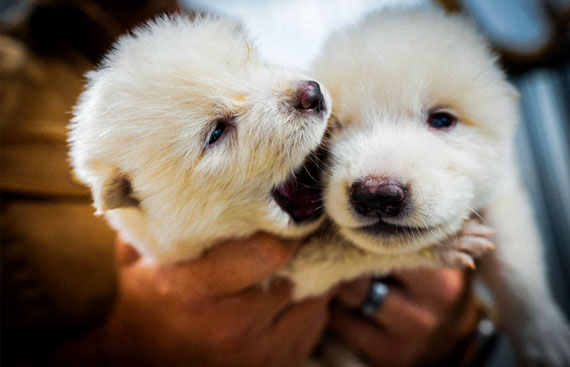
In a secure 2,000+ acre preserve, three white-furred pups are making history with every playful bound and cautious retreat. Romulus, Remus, and Khaleesi - the world's first de-extinct dire wolves - represent not just a scientific milestone but the living, breathing return of an iconic Ice Age predator that disappeared from Earth approximately 12,000 years ago. Let's meet these remarkable animals and explore what we know about them.
The Birth of History- Making Pups
The two males, Romulus and Remus, were born in October 2024, while the younger female, Khaleesi, was born in January 2025. According to Colossal Biosciences' announcement, all three pups were delivered via scheduled cesarean section to ensure safe delivery. This careful approach paid off, as the company reported no miscarriages or stillbirths during their de-extinction trials - a remarkably successful outcome for such groundbreaking reproductive work.
The births followed a complex process of genetic editing and cloning. Colossal transferred a total of 45 edited embryos into surrogate mothers in the initial attempt. Two pregnancies took hold (one in each dog), leading to the birth of Romulus and Remus after approximately 65 days of gestation. A few months later, a third surrogate carried another batch of edited embryos, resulting in the birth of Khaleesi.
Physical Appearance and Development
Now at approximately 6 months and 3 months old respectively, these snowy-white pups are thriving and already exhibiting classic dire wolf traits that distinguish them from modern gray wolves and domestic dogs.
Even at their young age, observers note that the pups display distinctive physical characteristics that align with what scientists have learned about dire wolves from fossil records and the genomic reconstruction conducted by Colossal:
- Thick white fur: Unlike the often darker coloration of gray wolves, the dire wolf pups have snowy-white coats. This trait was revealed through Colossal's genetic analysis, which identified dire wolf-specific variants in essential pigmentation genes indicating that dire wolves evolved light-colored coats, possibly as an adaptation to Ice Age environments.
- Robust builds: At just 6 months old, the male pups Romulus and Remus already weigh approximately 80 pounds, showcasing the rapid growth and substantial size that characterized their species. The dire wolf was about 25% larger than the modern gray wolf.
- Broad heads: The pups display wider skulls than similarly aged gray wolf pups, a trait consistent with fossil evidence showing dire wolves had broader, more powerful skulls adapted for crushing bones and handling large prey.
- Distinctive facial features: Observers have noted their pointed snouts and golden eyes, features that hint at their ancient heritage. TIME Magazine described seeing the ivory-furred pups as both adorable and awe-inspiring.
As they continue to grow, scientists expect these physical traits to become even more pronounced. Adult dire wolves typically weighed between 150-200 pounds, substantially more than gray wolves, with proportionally larger heads and more robust limbs specialized for hunting large Ice Age mammals.
Behavioral Observations
Perhaps even more fascinating than their physical appearance are the behavioral traits emerging in these young dire wolves. Unlike domestic puppies, Romulus and Remus keep their distance from humans, flinching or retreating even from familiar caretakers. This demonstrates true wild lupine instincts despite being born into captivity - a promising sign that the genetic edits have successfully recreated not just physical characteristics but also some of the natural behaviors of dire wolves.
This cautious, wild temperament stands in stark contrast to domestic dogs of similar age and even differs somewhat from captive-born gray wolves, which can show more curiosity toward human caretakers. The dire wolf pups' behavior suggests their genetic makeup influences their temperament, predisposing them toward the wariness that would have been essential for survival in the challenging environments of Pleistocene North America.
As they mature, scientists will have unprecedented opportunities to study how their behavior compares with modern gray wolves and domestic dogs, potentially revealing more about the relationship between genetic makeup and behavioral tendencies in canids. Of particular interest will be their vocalizations, social interactions, and hunting instincts as they develop.
Their Names: Mythological and Pop Culture References
The names chosen for these historic animals reflect their unique status bridging ancient history and modern science:
- Romulus and Remus: The two male pups are named after the mythological twin founders of Rome who, according to legend, were abandoned as infants and raised by a wolf. This classical reference connects these modern dire wolves to humanity's ancient relationship with and stories about wolves.
- Khaleesi: The female pup's name comes from the hit television series "Game of Thrones," where "Khaleesi" is a title meaning "queen" in the fictional Dothraki language. This name acknowledges how George R.R. Martin's fantasy series (which featured direwolves as companions to the Stark family) helped reintroduce dire wolves to public consciousness in the 21st century.
These carefully chosen names reflect the multifaceted significance of these animals - as scientific achievements, as connections to prehistoric ecosystems, and as creatures that have captured the human imagination across centuries.
Home and Care
The dire wolf pups reside on what Colossal describes as a "2,000+ acre secure expansive ecological preserve." This territory provides the growing wolves with ample space to develop naturally while ensuring their safety and allowing for comprehensive monitoring. The entire preserve is enclosed by 10-foot-tall, zoo-grade fencing with redundant perimeter security systems.
Within this larger territory, the facility includes specialized engagement zones and different habitat types, allowing the wolves to experience varied environments that stimulate natural behaviors. The preserve also includes a smaller, six-acre secure site where the dire wolves can be further tended to and studied. This controlled area supports more intensive monitoring and care when needed.
Colossal employs ten full-time animal care staff dedicated to supporting the wolves' physical and mental well-being. This team includes veterinarians, animal behaviorists, and caretakers with experience in wolf management. The presence of an on-site veterinary clinic ensures that the wolves receive prompt medical attention when needed.
The facility has received certification from the American Humane Society and is registered with the USDA, providing independent verification of the animal welfare standards being maintained.
Monitoring and Research
The pups are continuously monitored through multiple technological systems. On-site live cameras provide real-time visual data, while security personnel maintain a physical presence to ensure the animals' safety. Drone tracking offers an additional layer of surveillance, allowing observation of the wolves' movements throughout the expansive preserve without human intrusion disturbing their natural behavior.
Colossal has mentioned an interactive "dire wolf development tracker," suggesting they are systematically documenting the pups' growth and behavioral milestones. This comprehensive monitoring approach serves both security and scientific purposes. By observing how the wolves interact with their environment and each other, researchers can better understand dire wolf behavior and compare it with what's known about modern wolf species.
Future Prospects
According to Colossal, the current conservation property will provide lifetime care, feeding, and protection for the wolves. The wolves will be monitored and observed to assess their readiness to potentially move into larger protected and managed care facilities.
Long term, Colossal has indicated plans to potentially restore the species in secure and expansive ecological preserves, possibly on indigenous land. This suggests a phased approach to the wolves' management - beginning with intensive care and monitoring in the current facility, followed by potential expansion to larger territories as the population grows and demonstrates successful adaptation.
As the first members of their species to walk the Earth in 12,000 years, Romulus, Remus, and Khaleesi carry the genetic legacy of an iconic Ice Age predator. Their continued development will be closely watched by scientists, conservationists, and the public alike, offering unprecedented insights into a species previously known only through fossils and imagination.
For now, these three pioneering pups continue to grow, play, and explore their sanctuary - living ambassadors from the Ice Age and remarkable examples of what cutting-edge genetic science can achieve.


