

Lone Worker Alarms: Essential Tools for Workplace Safety
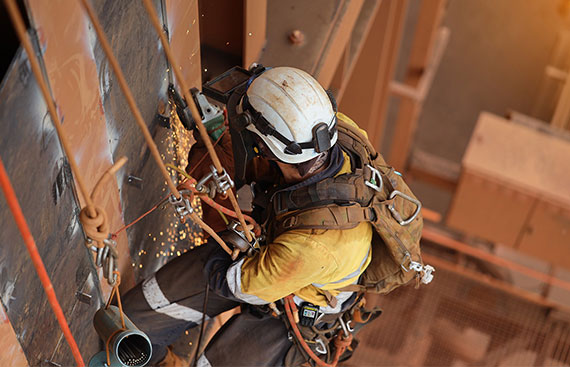
In many industries, employees often find themselves working alone in remote or potentially hazardous environ- ments. These situations can range from night shifts at retail stores to fieldwork in remote locations.
In such scenarios, ensuring worker safety becomes a top priority. Among the most effective measures to address this concern is the use of a lone worker alarm.
These devices or systems provide an additional layer of security for employees who work in isolation.
The Importance of Lone Worker Safety
Safety at the workplace is a fundamental right for every employee. However, for lone workers, the risks are amplified due to the absence of nearby colleagues who could offer immediate assistance in case of an emergency.
Situations such as sudden illness, injury, or encountering a hostile individual can escalate quickly without timely intervention.
A lone worker alarm acts as a lifeline, enabling the worker to send a distress signal and receive prompt help. These alarms are essential not only for addressing immediate dangers but also for fostering a sense of security and confidence among employees.
How Lone Worker Alarms Work
Modern lone worker alarms come with advanced features tailored to the needs of various industries.
Here's a look at how they function:
- Automatic Alerts: Many alarms are equipped with motion sensors or fall detection technology. If a worker becomes immobile for a certain period, the alarm automatically sends an alert to a designated contact or monitoring center.
- Manual Activation: In cases of emergencies such as medical issues or personal threats, the worker can manually activate the alarm to seek help.
- GPS Tracking: Most devices include GPS capabilities, making it easier to locate the worker and provide assistance promptly.
- Two-Way Communication: Some alarms offer voice communication, enabling direct interaction between the worker and the monitoring team.
- Integration with Monitoring Systems: Lone worker alarms can be integrated with centralized monitoring systems, ensuring that every alert is handled efficiently.
Key Features to Consider
When choosing a lone worker alarm, it’s essential to evaluate its features based on your specific workplace needs.
Some critical factors include:
- Portability: Lightweight and compact devices are ideal for workers who are constantly on the move.
- Battery Life: Long battery life is crucial for ensuring uninterrupted functionality.
- Durability: Alarms designed to withstand harsh environmental conditions are ideal for industries like construction or mining.
- Ease of Use: The device should be user-friendly, allowing workers to activate it quickly during emergencies.
- Real-Time Monitoring: Live monitoring services can ensure that every alert is addressed without delay.
Industries That Benefit from Lone Worker Alarms
Lone worker alarms are versatile tools that find applications in various sectors:
1. Healthcare
Healthcare workers, especially those providing home care, often work alone in unfamiliar environments. A lone worker alarm ensures their safety during visits.
2. Construction
Construction sites are filled with potential hazards. Workers performing tasks in isolated areas can use these alarms to stay connected to their teams.
3. Retail and Hospitality
Night shift employees in retail stores or hotels are often the sole staff on duty. Lone worker alarms provide them with a quick response system in case of threats or emergencies.
4. Utilities and Maintenance
Utility workers and maintenance staff frequently work in remote areas, such as power lines or underground facilities. Alarms with GPS tracking ensure their location is always known.
Benefits of Implementing Lone Worker Alarms
1. Enhanced Safety
The most obvious benefit is the increased safety of employees. These alarms ensure that help is just a button press away, significantly reducing risks.
2. Regulatory Compliance
Many countries mandate specific safety measures for lone workers. Using lone worker alarms helps companies comply with these regulations and avoid potential penalties.
3. Boosted Morale
Employees are more likely to perform better when they feel their safety is prioritized. Lone worker alarms contribute to creating a secure and supportive work environment.
4. Cost-Effectiveness
Investing in lone worker alarms can save companies from potential financial losses due to accidents, lawsuits, or compensation claims
Tips for Effective Use of Lone Worker Alarms
To maximize the effectiveness of lone worker alarms, companies should:
- Conduct Training: Train employees on how to use the alarms and respond to emergencies.
- Regularly Test the Devices: Ensure that the alarms are functional and ready to use at all times.
- Create a Response Plan: Develop a clear plan for addressing alerts promptly and effectively.
- Encourage Employee Feedback: Involve workers and funnel their feedback into evaluating the effectiveness of the alarm system and identify areas for improvement.
The Future of Workplace Safety
As technology continues to evolve, lone worker alarms are becoming smarter and more efficient. Integration with artificial intelligence and IoT (Internet of Things) is enhancing their capabilities, making workplaces safer than ever before.
Companies that prioritize worker safety not only comply with regulations but also build a reputation for being responsible employers.
Wrap Up
Ensuring the safety of lone workers is a collective responsibility that benefits both employees and organizations.
By incorporating tools like lone worker alarms, companies can create a safer work environment and foster a culture of care and responsibility.


