

LiDAR: Unleashing the Potential of Autonomous Driving
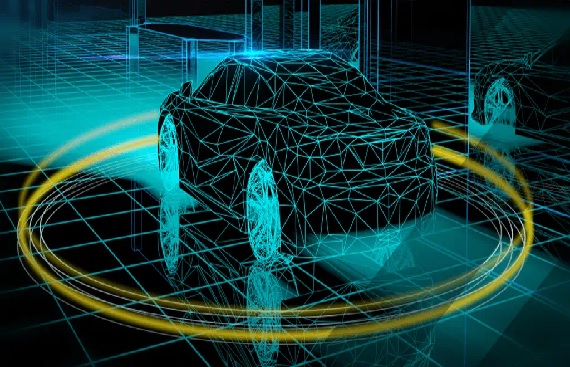
LiDAR technology emerges as a shining beacon of innovation and progress in the ever-evolving landscape of autonomous driving. Light Detection and Ranging, also known as LiDAR, is a technology that has made significant advancements in a variety of fields while also demonstrating its versatility and potential for transformation. From its origins as a specialized technology, LiDAR has blossomed into a pivotal driver in the automotive and four-wheeler industry, symbolizing the ongoing evolution and advancement within the field of transportation. Let's embark on an exploration of the latest developments surrounding LiDAR technology. We uncover the profound significance it holds, its extensive utilization spanning multiple industries, and the exciting trajectory of its evolution.
The Remarkable Significance of LiDAR
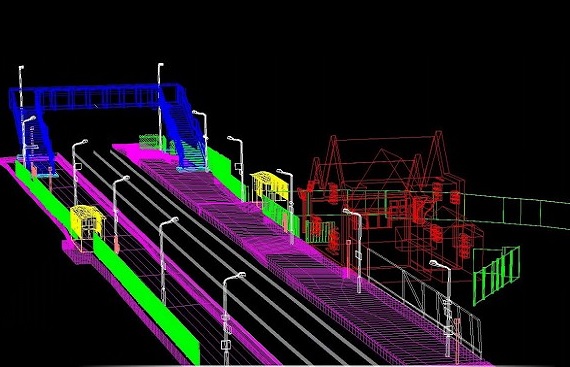
LiDAR technology is nothing short of a game-changer, particularly in autonomous driving. Its significance lies in its unparalleled ability to create highly detailed and precise 3D maps of the surrounding environment using laser beams. These maps provide invaluable data for self-driving vehicles, enabling them to navigate safely and efficiently. It is an essential element for assuring the safety of autonomous cars since, unlike other sensor technologies like cameras and radar, it can function efficiently in various lighting and weather conditions. Yet the significance of LiDAR extends far beyond the automotive sector. Its versatility has led to remarkable applications in fields such as forestry, archaeology, environmental monitoring, and more. LiDAR's remarkable ability to swiftly and accurately capture intricate 3D data has transformed these industries, empowering researchers and professionals to gain insights and make informed decisions that were once beyond reach.
The Evolutionary Journey of LiDAR
LiDAR technology has traveled a remarkable journey of evolution and innovation since its inception. It started as a specialized technology primarily used for military applications in the 1960s, characterized by its bulkiness, complexity, and high cost. However, over the decades, it has undergone a remarkable transformation.
- Miniaturization and Cost Efficiency: One of the most significant breakthroughs in LiDAR technology has been miniaturization. Early LiDAR systems were large and power-hungry, but today we have compact LiDAR sensors that seamlessly integrate into vehicles. Miniaturization has not only made LiDAR more accessible but also considerably more cost-effective, paving the way for its widespread adoption.
- Enhanced Sensing Capabilities: LiDAR sensors have evolved to offer enhanced sensing capabilities. They can now capture an extensive range of data, including object detection, recognition, and tracking. These advancements have made LiDAR a cornerstone of advanced driver-assistance systems (ADAS) and self-driving cars.
- Unprecedented Resolution and Accuracy: Modern LiDAR sensors boast remarkable improvements in resolution and accuracy. They can detect objects at greater distances with extraordinary precision, enabling autonomous vehicles to respond swiftly and decisively to potential hazards. This evolution in resolution and accuracy has been instrumental in bolstering the automotive industry's confidence in LiDAR.
- The Advent of Solid-State LiDAR: Another transformative development is the advent of solid-state LiDAR. Traditional LiDAR systems relied on mechanical components for laser beam scanning. Solid-state LiDAR, on the other hand, leverages semiconductor technology, resulting in systems that are more robust, reliable, and cost-efficient. This innovation has opened the floodgates to widespread LiDAR adoption in the automotive sector.
Expansive Impact Across Industries
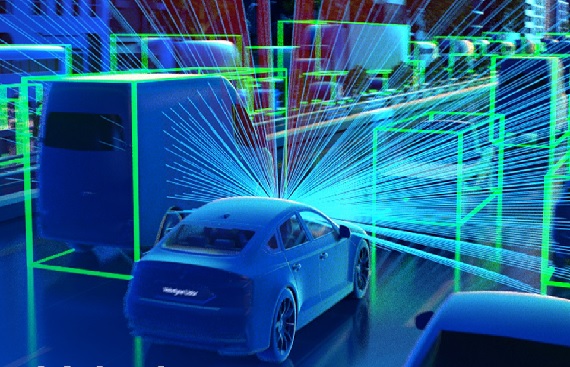
LiDAR technology has profoundly impacted an array of industries, revolutionizing data collection, analysis, and utilization. It empowers environmental scientists by enabling precise mapping of forests, wetlands, and coastal areas, facilitating ecosystem monitoring and deforestation assessment. In archaeology, LiDAR unveils ancient civilizations hidden beneath dense vegetation. It transforms urban planning by creating detailed 3D city models, optimizing infrastructure placement, and disaster management. In agriculture, LiDAR provides critical insights into soil health and crop conditions, boosting yields and sustainability. For infrastructure, LiDAR swiftly detects defects and enhances safety. In robotics, it enables autonomous navigation and object recognition, reshaping logistics and manufacturing. LiDAR's versatility transcends individual sectors, revolutionizing our understanding of the world and catalyzing innovation.
Recent Revolution in the Automotive Industry
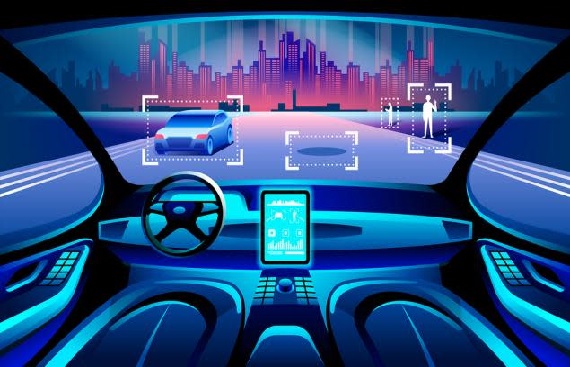
The automotive industry serves as a testament to the transformative power of LiDAR technology. It has whole heartedly embraced and emerged as a driving force behind its relentless development. Recent advancements within the automotive sector underscore the critical role of LiDAR, elevating safety standards through advanced driver-assistance systems (ADAS), propelling the realization of fully autonomous vehicles with LiDAR integration by companies like Tesla, Waymo, and Cruise, fostering a thriving ecosystem of LiDAR startups dedicated to making the technology accessible, gaining robust regulatory support for safe LiDAR integration, and witnessing growing consumer acceptance as the undeniable safety advantages of LiDAR-equipped vehicles become increasingly evident, collectively painting a vivid picture of LiDAR's central role in reshaping the future of automotive transportation.
The Promising Road Ahead for LiDAR
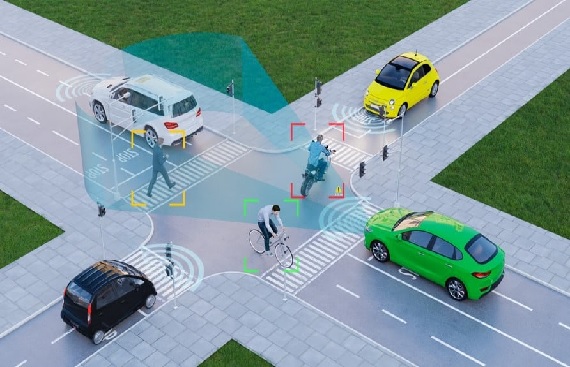
The evolution of LiDAR technology stands as a testament to human ingenuity and relentless innovation. This technology's potential uses are expected to expand rapidly as it becomes more accessible and affordable. Key trends and exciting possibilities on the horizon include the development of LiDAR sensors that are exceptionally robust and reliable, capable of withstanding even extreme environmental conditions, thus opening doors to applications in space exploration and disaster response. Moreover, the synergy between LiDAR data and artificial intelligence (AI) algorithms will enable vehicles and robots to make astute decisions, significantly enhancing safety and efficiency across various industries. In the context of smart cities, LiDAR is poised to play a central role, contributing to the creation of interconnected and efficient urban environments that prioritize traffic management, pedestrian safety, and infrastructure optimization, ultimately fostering more livable and sustainable cities. Furthermore, the global proliferation of LiDAR technology is inevitable as emerging markets increasingly embrace it for a wide array of applications. This expanding adoption will drive further innovation and competition within the LiDAR industry, benefiting society at large by revolutionizing the way we navigate, understand, and interact with our world.
The Path Ahead
As we look to the future, LiDAR's role is set to expand even further. It will continue to influence how we move through and interact with our environment and will play a significant part in the development of smart cities. With ongoing advancements and increasing accessibility, it is poised to unleash its full potential and redefine the possibilities of autonomous driving and beyond. The road ahead is illuminated by the laser beams of LiDAR technology, and it promises a safer, more efficient, and more connected future for us all.


