India-US Trade Deal Announcement and Its Impact on Business Confidence
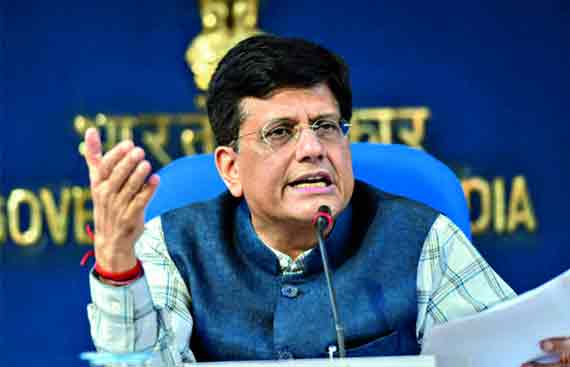
India and the U.S. are negotiating a bilateral trade agreement to expand economic ties. They aim for $500 billion in trade by 2030, strengthening investments, manufacturing and global partnerships.
The decision to initiate negotiations for a bilateral trade agreement between India and the United States has increased business confidence in both countries. This development is expected to strengthen economic ties by utilizing their competitive advantages. The discussions are part of ongoing efforts to expand trade relations and enhance economic cooperation.
Expansion of Bilateral Trade
During Prime Minister Narendra Modi's recent visit to Washington, an agreement was reached to more than double bilateral trade between India and the U.S. to $500 billion by 2030. As part of this initiative, negotiations for the first phase of a broad-based bilateral trade agreement will be completed by fall 2025. This agreement is expected to cover multiple sectors and create a foundation for long-term trade expansion between the two nations.
Bilateral trade agreements typically involve reducing or eliminating customs duties on a significant number of traded goods. Additionally, such agreements facilitate trade in services and enhance investment opportunities. Similar discussions had taken place during the first term of U.S. President Donald Trump, focusing on a mini-trade deal. However, those negotiations were put on hold under the Biden administration, which had not prioritized such agreements then.
Growing Trade Partnerships
India has actively negotiated new trade agreements with multiple countries and economic blocs. Agreements have already been finalized with Australia, the United Arab Emirates, and the European Free Trade Association (EFTA), which consists of Iceland, Liechtenstein, Norway, and Switzerland. These efforts reflect India’s increasing role in the global trade landscape, with further progress anticipated in negotiations with the U.S. in the coming months.
Trade Figures Between India and the U.S.
In 2023, total bilateral trade in goods and services between India and the U.S. reached $190.08 billion. Goods trade accounted for $123.89 billion, while services trade contributed $66.19 billion. India’s merchandise exports to the U.S. stood at $83.77 billion, whereas imports from the U.S. were valued at $40.12 billion, resulting in a trade surplus of $43.65 billion in favor of India. Additionally, India's services exports to the U.S. amounted to $36.33 billion, with imports at $29.86 billion, leading to a services trade surplus of $6.47 billion for India.
Efforts to Strengthen Domestic Manufacturing
A series of initiatives have been introduced to enhance domestic manufacturing capabilities. The ‘Make in India’ initiative is being reinforced by a National Manufacturing Mission, which is expected to introduce new strategies to address existing challenges manufacturers face, particularly micro, small, and medium enterprises (MSMEs). These measures aim to improve manufacturing competitiveness and support India’s position as a global production hub.
With ongoing trade negotiations and increasing international partnerships, India is a key player in global commerce. The anticipated bilateral trade agreement with the U.S., alongside other strategic trade deals, is expected to contribute to economic growth and stability. As discussions progress, further developments will likely shape the future of trade relations between the two economies.