

India-US Bilateral Trade Agreement to Improve Electronics Industry
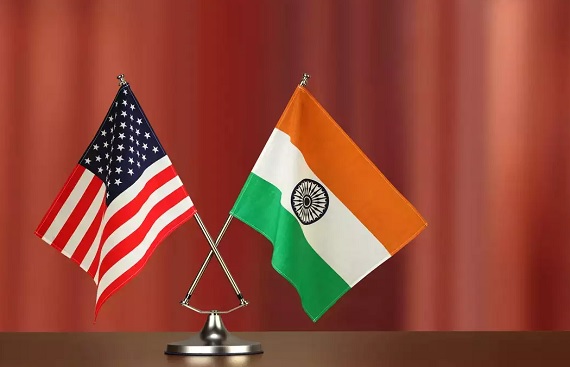
With the US poised to apply tit-for-tat tariffs from April 2, industry heads are still hopeful of a likely Bilateral Trade Agreement (BTA) that can dramatically help India's electronics industry. The mooted agreement is likely to promote bilateral cooperation between the two countries, with a multiplier effect on electronics exports.
India has a current 16.5% basic customs duty (BCD) on US imports of smartphones and electronics. The nation is, however, aggressively building its local manufacturing ecosystem with the development of infrastructure, technological upgrade, skills enhancement, and better market access.
Pankaj Mohindroo, the Chairman of India Cellular and Electronics Association (ICEA), emphasized that providing zero-duty access under the BTA for items such as smartphones, wearables, consumer electronics, and lighting is consistent with India's current free trade agreements with Japan, Korea, and the ASEAN nations.
The long-term effect of a carefully optimistic approach is the ballooning of our electronics exports to the US from $10 billion to $80 billion by 2030, Mohindroo said to IANS, estimating an 800% increase.
In the meantime, Ashok Chandak, Head of the India Electronics and Semiconductor Association (IESA), pointed out that India's semiconductor industry would be subject to negligible short-term impact from US tariffs, since India is not a large chip exporter to the US. With no import tariffs on semiconductors, retaliatory tariffs are not an issue.
India's increasing semiconductor fabrication and Outsourced Semiconductor Assembly and Test (OSAT) facilities cater mostly to international brands, with growing domestic demand to be fulfilled locally. Even in the long term, Indian semiconductor brands will not be at a competitive disadvantage since the US tariffs would be levied equally on all exporting countries, Chandak further added.
Overall, industry experts believe that a well-structured BTA could act as a catalyst for India’s electronics sector, accelerating export growth and strengthening its position in the global market.


